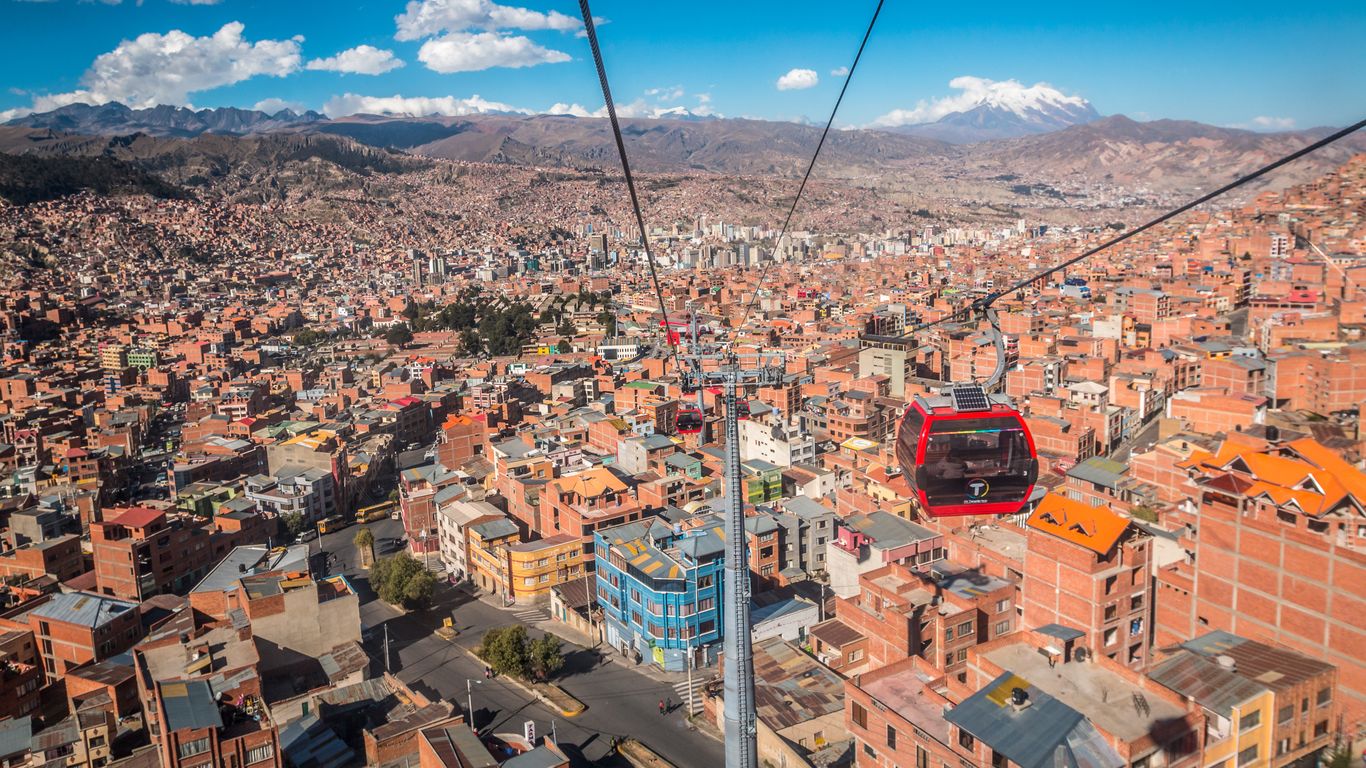
Lake Titicaca sits on the border between Peru and Bolivia at 3,812 m a.s.l. It covers more than 8,000 km² and is often described as the highest navigable lake in the world. For the Aymara and Quechua people who live on its shores and islands, it is also the place where, according to Inca tradition, the first Inca rulers emerged.
Because the lake is shared by two countries, it works as a natural link on any trip between Cusco and La Paz. This guide helps you decide which side to visit, which islands fit your time, how to get there from either country and what to expect at the border.
Peru side or Bolivia side: which one should you choose
Both sides are worth visiting, but they offer different experiences.
| Peru side | Bolivia side | |
|---|---|---|
| Main base | Puno | Copacabana |
| Key attractions | Uros, Taquile, Amantaní, Sillustani | Isla del Sol, Isla de la Luna |
| Best for | Community tourism and homestays | Inca history and hiking |
| Nearest major city | Cusco | La Paz |
If your trip includes both countries, you do not have to choose. Most travelers visit the Peruvian islands first and then cross into Bolivia through Copacabana, which sits directly on the road to La Paz.
How to reach Lake Titicaca
From Cusco to Puno
Puno is about 390 km from Cusco. You have four options:
Tourist bus. The journey takes a full day and includes stops at Andahuaylillas, Raqchi and La Raya pass, the highest point of the route at around 4,335 m a.s.l. Lunch and a guide are usually included.
Direct bus. Regular buses take about 6 to 7 hours without stops. There are also night departures if you want to save a day.
Train. PeruRail operates the Titicaca Train between Cusco and Puno. It is a long, comfortable journey with meals and panoramic views, designed as an experience rather than just transport.
Flight. There are no direct flights to Puno. You fly from Lima or Arequipa to Juliaca and then drive about 45 minutes to Puno.
From La Paz to Copacabana
Copacabana is about 3.5 hours from La Paz by bus. On the way, the road reaches the Strait of Tiquina, where passengers cross by small boat and the bus crosses on a barge. From Copacabana, boats leave for Isla del Sol and Isla de la Luna.
Islands and places to visit on the Peruvian side
Uros floating islands
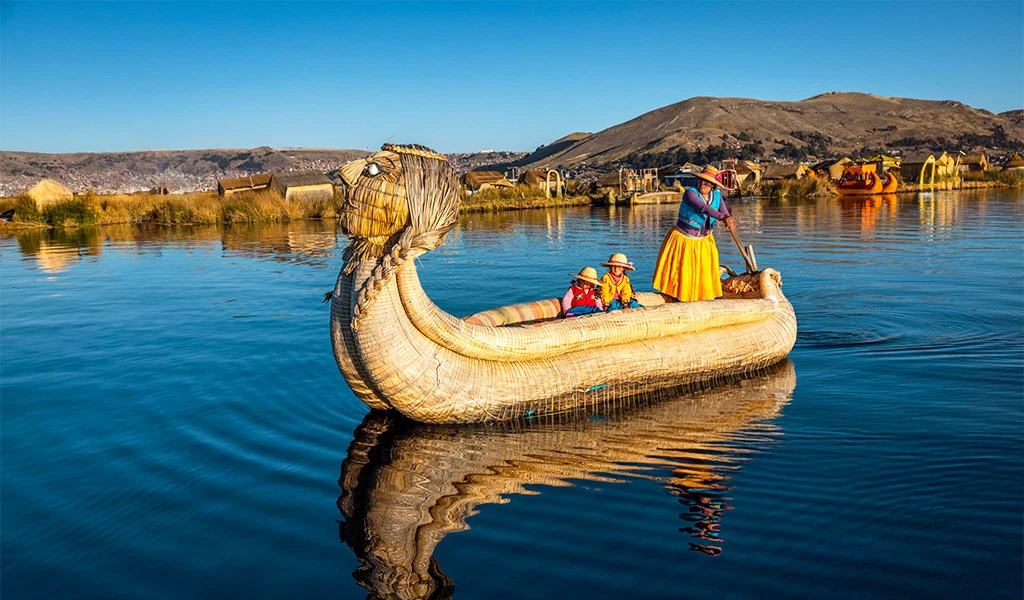
The Uros live on islands made entirely of totora reeds that grow in the lake. Families add new layers of reeds regularly because the bottom layers rot in the water. You can walk on the islands, see how the houses and boats are built and ride a traditional reed boat.
The Uros are about 30 minutes by boat from Puno, so a half day visit is enough.
Taquile Island
Taquile is known for its textile tradition, recognized by UNESCO as Intangible Cultural Heritage. On the island, men knit and women weave, and the color and shape of each person’s clothing show their marital status and role in the community.
The walk from the port to the main square involves stairs and steady climbing. Take it slowly because of the altitude. Most visits include lunch with a local family, usually fresh trout from the lake.
Amantaní Island
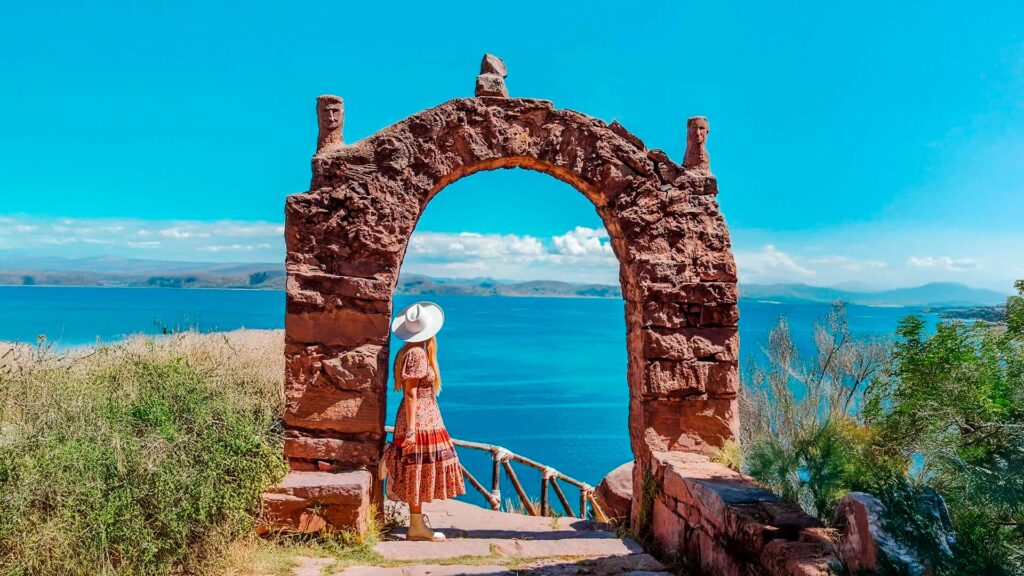
If you want to spend a night on the lake, Amantaní is the best choice. Local families host visitors in simple homes, share their meals and sometimes invite you to a traditional evening celebration.
At sunset, you can hike to the temples of Pachamama and Pachatata on the two highest hills of the island. Expect basic facilities and cold nights, and bring a headlamp.
Sillustani
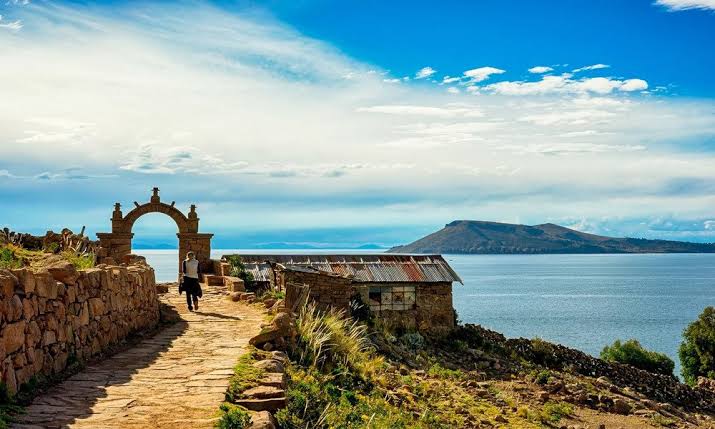
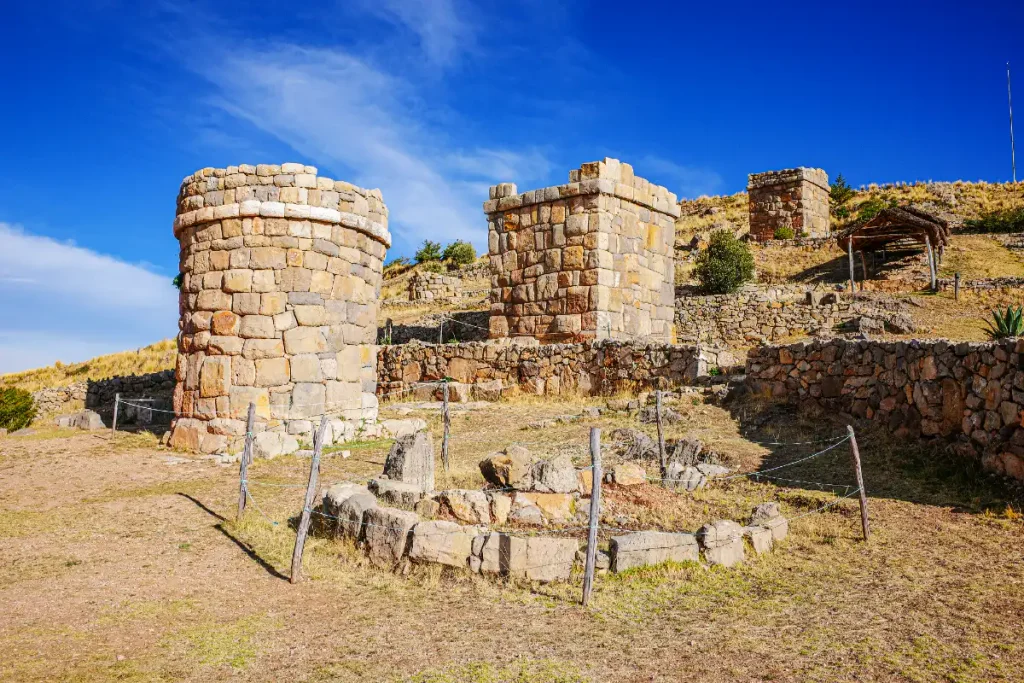
Sillustani is not on Lake Titicaca but on the shore of Lake Umayo, about 34 km from Puno. It is a pre-Inca cemetery with stone funerary towers called chullpas, some of them over 10 meters high. The late afternoon light makes it a good half day trip on the day you arrive in Puno.
Llachón and the Capachica Peninsula
For a quieter alternative to the islands, the Capachica Peninsula offers community tourism with lake views, farming activities and kayaking. Fewer groups visit, so you get a more personal experience.
Places to visit on the Bolivian side
Copacabana
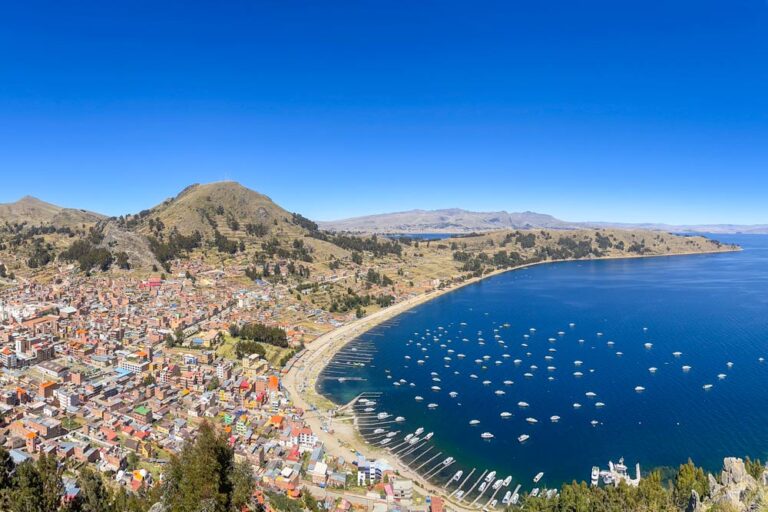
Copacabana is a small town on the shore of the lake, about 3 hours from Puno. Its main attraction is the Basilica of Our Lady of Copacabana, an important pilgrimage site in Bolivia. From the Cerro Calvario viewpoint you get a wide view of the bay at sunset.
Isla del Sol
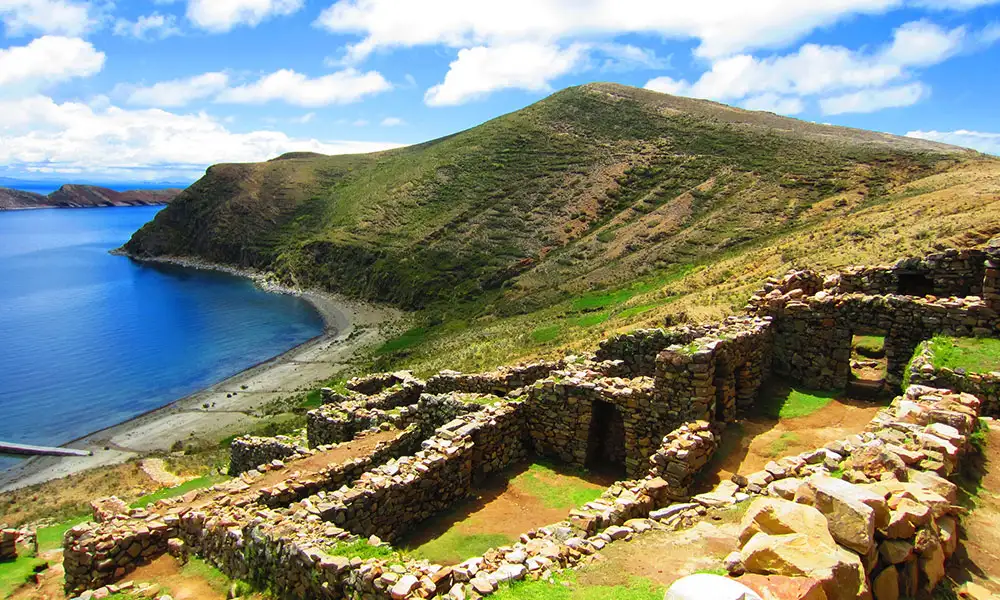
According to Inca tradition, Isla del Sol is where the sun was born and where Manco Cápac and Mama Ocllo began their journey to found Cusco. The island has Inca ruins, ancient paths and terraces still used by local farmers.
In recent years, access to some parts of the island has been restricted because of disputes between local communities. Before you go, check which sections are open and whether you can hike from one end to the other.
Isla de la Luna
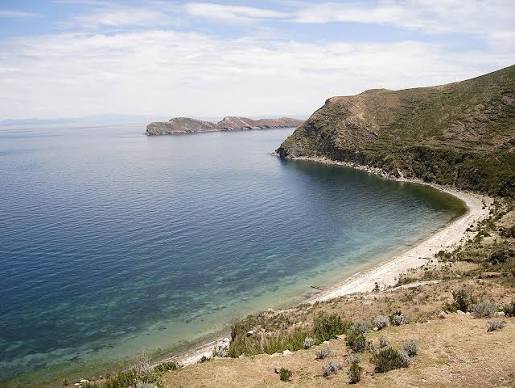
A smaller island near Isla del Sol, home to the remains of Iñak Uyu, a temple linked to the chosen women of the Inca period. Most visitors combine it with Isla del Sol on the same boat trip.
Crossing the border between Peru and Bolivia
The most common route for travelers is the Kasani crossing near Yunguyo, on the way from Puno to Copacabana. The other main crossing is Desaguadero, used more often by transport going directly between Puno and La Paz.
Keep these points in mind:
- Entry requirements for Bolivia depend on your nationality. Some visitors need a visa in advance, so check before you travel.
- Carry your passport and the migration document you received when entering Peru.
- Many tourist buses between Puno and La Paz stop at the border and wait while you complete the process.
- Carry some cash in both soles and bolivianos, since card payments are limited around the border and in Copacabana.
Altitude, climate and what to pack
Lake Titicaca is higher than Cusco and slightly lower than La Paz, so try to arrive after a few days at altitude. Walk slowly, drink water and avoid alcohol on your first night.
The sun is strong during the day and nights are very cold, often below freezing in the dry season. The dry season runs from May to October, with clear skies. From December to March, rain is more frequent.
Pack these essentials:
- Warm layers, a hat and gloves for the evenings
- Sunscreen, sunglasses and a sun hat
- Cash in soles and bolivianos
- A headlamp if you stay on Amantaní
Suggested Lake Titicaca itineraries
Two days on the Peruvian side
Day 1: Arrive in Puno. Visit Sillustani in the late afternoon if you arrive early.
Day 2: Full day boat trip to the Uros and Taquile, returning to Puno in the evening.
Three days with a homestay
Day 1: Arrive in Puno.
Day 2: Visit the Uros, then continue to Amantaní and spend the night with a local family.
Day 3: Visit Taquile in the morning and return to Puno.
Four days from Cusco to La Paz
Day 1: Cusco to Puno.
Day 2: Uros and Taquile.
Day 3: Cross into Bolivia and visit Copacabana.
Day 4: Boat trip to Isla del Sol and continue to La Paz.
This route fits well into longer [Peru and Bolivia tours], where the lake connects Cusco and Machu Picchu with La Paz and the Uyuni Salt Flats.
Festivals worth planning around
Puno is considered the folklore capital of Peru. The Festival of the Virgen de la Candelaria, held every February, is recognized by UNESCO and brings thousands of dancers and musicians to the streets. If you visit during the festival, book your hotel several months in advance.
Frequently asked questions about Lake Titicaca
How many days do you need at Lake Titicaca?
Two days are enough to visit the Uros and Taquile from Puno. Three days let you include a homestay on Amantaní, and four days let you add Copacabana and Isla del Sol.
Is it better to visit Lake Titicaca from Peru or Bolivia?
Peru has the Uros, Taquile and Amantaní. Bolivia is better if you want to visit Isla del Sol. If you are traveling between Cusco and La Paz, you can visit both sides on the same route.
Can you visit the Uros islands in half a day?
Yes. The boat ride from Puno takes about 30 minutes, and a visit usually lasts around 3 hours in total.
Is it safe to spend a night on Amantaní?
Yes. Homestays are organized by the local communities and are a common part of Lake Titicaca trips. Facilities are simple, so bring warm clothes.
Do you need a visa to visit the Bolivian side?
It depends on your nationality. Check the current entry requirements for Bolivia before your trip.
Lake Titicaca as part of your South America trip
Lake Titicaca shows you a different side of the Andes: island communities, weaving traditions and the origin stories of the Incas. It is also the most practical way to travel overland between Peru and Bolivia. With MVP Experiences, you can include the lake in a multi-country route that takes you from Cusco to La Paz with transport, border crossing and local guides already organized.