In Rio de Janeiro, the beach is not just a place to swim. It is where people meet friends, play sports, watch the sunset and spend entire weekends. The city has dozens of beaches, from the famous urban stretches of Copacabana and Ipanema to wild coves surrounded by forest. This guide helps you choose the right beach for your style, understand local beach culture and stay safe while enjoying the sand.
How Rio’s Beach Culture Works
Postos and what they tell you
Along the main beaches, lifeguard stations called postos are numbered, and locals use them as meeting points. Each posto area tends to attract a different crowd, from families to surfers or groups of friends. Saying “meet me at Posto 9” is as common as giving an address.
Chairs, umbrellas and the canga
Beach stalls known as barracas rent chairs and umbrellas for the day, and many will bring you drinks. Instead of a towel, locals use a canga, a thin sarong that dries quickly and does not hold sand. Buying one from a vendor is an easy way to blend in.
Copacabana
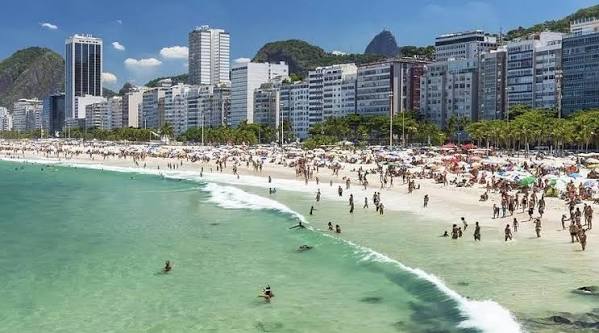
Copacabana stretches for about 4 km in a wide curve, backed by hotels, apartment buildings and kiosks. It is lively day and night, with sports, vendors and music along the sand.
The promenade and the fort
The promenade along Avenida Atlântica is famous for its black and white wave pattern, designed by landscape architect Roberto Burle Marx. At the southern end, the Copacabana Fort offers views back over the beach and cafés inside its walls. Copacabana is also where millions gather for New Year’s Eve fireworks.
Leme at the northern end
The northern end of Copacabana is known as Leme. It is quieter, with more locals and families, and a path along the rocks of Morro do Leme gives views across the whole bay.
Arpoador and Its Famous Sunset
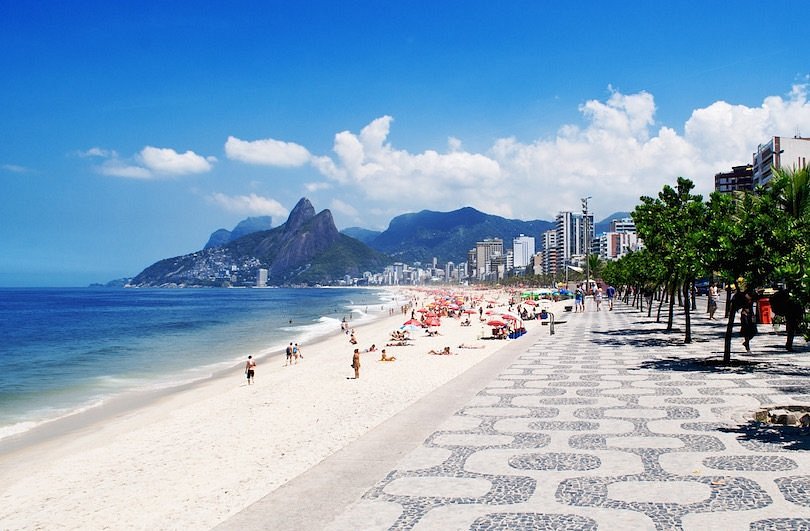
Arpoador sits between Copacabana and Ipanema, around a large rock that juts into the sea. It is a favorite spot for surfers, and in the late afternoon, people climb the rock to watch the sun set behind the Dois Irmãos mountains. When the sun disappears, the crowd often breaks into applause, one of Rio’s most charming traditions.
Ipanema
Ipanema is famous worldwide thanks to the song “The Girl from Ipanema.” Its beach is framed by the Dois Irmãos peaks and lined with upscale neighborhoods, cafés and shops.
Each posto has its own crowd
Around Posto 9, the atmosphere is young and social, while Posto 8 is known as a gathering point for the LGBTQ+ community. Other sections attract families, surfers or groups playing volleyball. Walking the whole beach lets you see how diverse the city is.
Leblon: Calmer Sands and Family Days
Leblon continues west from Ipanema and feels more relaxed. Its southern end, near Posto 12, is popular with families, with a small play area for children. The neighborhood behind it is one of Rio’s most exclusive, with good restaurants and bars.
São Conrado and the Hang Gliders
São Conrado lies west of Leblon, beyond the coastal road. Its beach is the landing point for hang gliders and paragliders who launch from Pedra Bonita, high above the forest. Watching them land is a show in itself, and tandem flights are available for visitors.
Barra da Tijuca and Recreio
Barra da Tijuca has one of the longest beaches in the city, about 18 km of open sand with strong waves. It is popular with surfers and kitesurfers, and the neighborhood behind it is modern, with shopping centers and condominiums. Recreio, further west, is quieter and has calmer areas for families.
Wild Beaches of the West Zone
Prainha
Prainha is a small, protected beach surrounded by green hills. It has some of the best surf in Rio and a natural setting without buildings on the shore.
Grumari
Grumari, next to Prainha, is part of an environmental protection area. Its reddish sand, clear water and lack of development make it feel far from the city. There are only a few simple kiosks, so bring water and snacks.
Joatinga
Joatinga is a small hidden beach reached by a steep path down the rocks. It is surrounded by cliffs and has clear water on calm days.
Checking the tide before you go
At high tide, Joatinga’s sand almost disappears. Check the tide tables and visit at low tide to enjoy it.
Beach Sports You Will See Everywhere
Rio’s beaches are full of movement. Footvolley, a mix of soccer and volleyball, was born here, and the skill of local players is impressive. Frescobol, a paddle game without a net, is played along the shore. Beach volleyball, surfing, bodyboarding and outdoor gyms along the promenades are also part of daily life.
Water Conditions and Swimming Safety
The Atlantic in Rio has strong waves and rip currents, especially in Barra, Ipanema and the western beaches. Follow the flags on lifeguard towers: red means dangerous conditions. Water quality can drop after heavy rain, so avoid swimming the day after a storm. Beaches inside Guanabara Bay, like Botafogo and Flamengo, are beautiful to look at but not recommended for swimming.
Keeping Your Things Safe on the Sand
Bring only what you need: a little cash, a copy of your ID and a cheap phone or none at all. Never leave belongings unattended while swimming, and ask a trusted beach stall or a neighbor to watch your things if you go into the water. Avoid walking on the sand late at night.
Sundays on the Seafront Avenues
On Sundays and public holidays, the lanes closest to the beach along Avenida Atlântica in Copacabana and the seafront roads of Ipanema and Leblon close to traffic. They become open spaces for walking, cycling, skating and running, and the atmosphere is festive and family friendly.
Choosing the Right Month for Beach Days
Rio’s beaches are enjoyable all year, but the hottest and busiest months are from December to March. Winter days, from June to August, are milder and quieter but still pleasant for walks and sunsets. For a month-by-month look at weather and events, read our guide on the best time to visit Rio.
Rio Beaches on a Multi-Country Route
Rio often closes a trip through South America, after days of mountains, ruins and cities. A few beach days are a perfect way to rest before flying home. If you want Rio combined with other highlights of the continent, our 17-day South America tour brings several countries together in one itinerary.
Frequently Asked Questions
Which is better, Copacabana or Ipanema?
Copacabana is livelier and more varied, while Ipanema feels more stylish and has a better sunset. Many visitors stay in one and visit the other.
Can I swim at the beaches in Rio?
Yes, at most ocean beaches, although waves can be strong. Swim near lifeguards and check water quality after rain.
Are there public bathrooms on Rio’s beaches?
Some kiosks along the promenades have paid bathrooms, and beach stalls often let customers use theirs.
Is it expensive to rent chairs and umbrellas?
Prices are moderate, but they vary by beach and season. Agree on the price with the stall before sitting down.
What should I bring for a day at the beach?
A canga, sunscreen, a hat, some cash in small bills and a copy of your ID. Leave valuables at your hotel.
Can I reach the West Zone beaches by public transport?
Buses reach Barra and Recreio, but Prainha and Grumari are easier by taxi or ride app, as public transport there is limited.