Why Santa Cruz Is a Trekking Destination Worth the Trip
Santa Cruz sits at the meeting point of three worlds: the Amazon basin, the Andean foothills, and the dry Chaco. That geography gives the region a range of trails you rarely find in one place, from humid cloud forest to open sand dunes. You do not need to be an elite mountaineer to enjoy it. Some routes are gentle day walks, while others reward those willing to spend several days off the grid. Below you will find the trails our travelers ask about most, along with what to expect on each one.
Amboró National Park
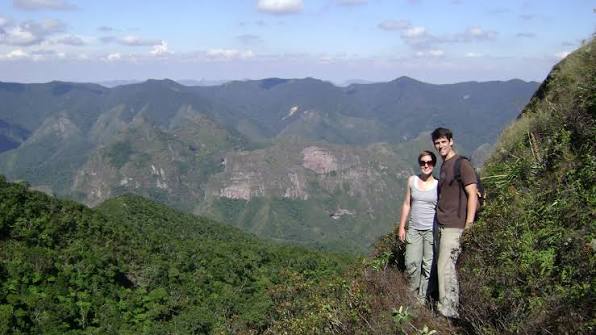
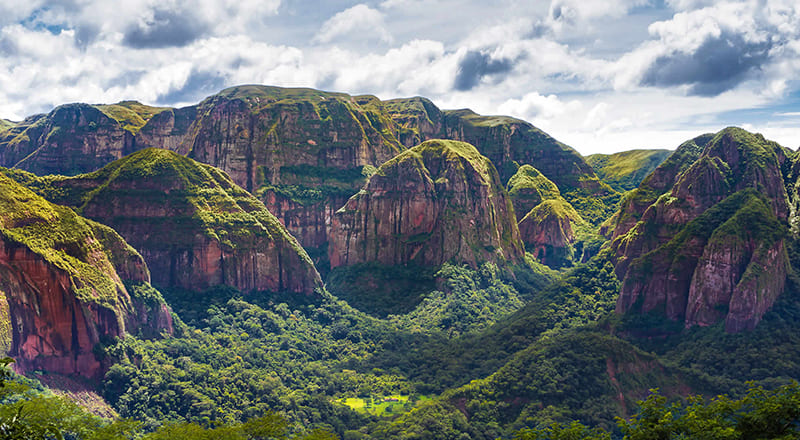
Amboró is the natural highlight of the region and one of the most biodiverse parks in the world. It sits where the Amazon, the Andes, and the Chaco converge, which is why you can walk through lowland rainforest in the morning and reach cooler cloud forest higher up. Trails run at different difficulty levels, so you can pick a short interpretive walk or a demanding multi-hour climb. The park shelters jaguars, pumas, spectacled bears, and more than 800 recorded bird species, along with giant ferns that give parts of the forest an almost prehistoric feel.
Getting There and What to Know
Most visitors reach the northern side of the park from the town of Buena Vista, about three hours from Santa Cruz. A local guide is required for the interior trails, and the wet season from November to March makes some routes muddy and harder to access.
Samaipata and El Fuerte
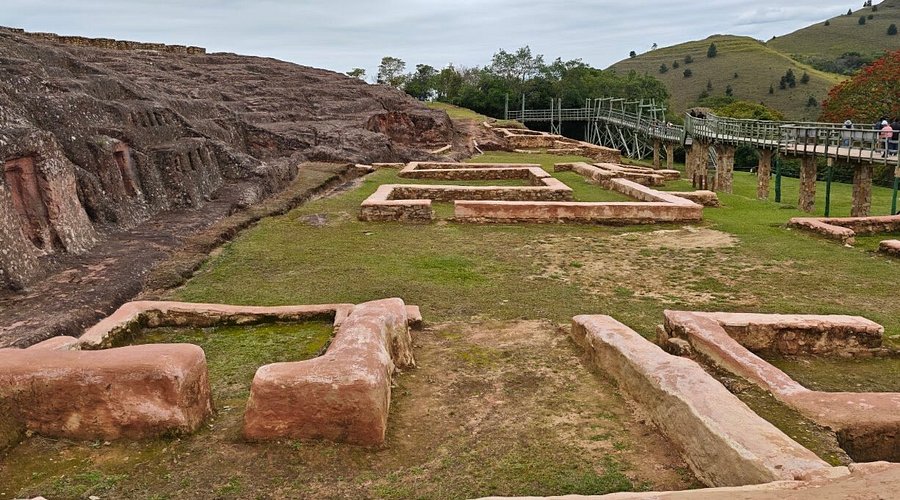
Samaipata is a relaxed mountain town roughly 120 kilometers from Santa Cruz, and it works well as a base for a couple of days of walking. The signature outing is the hike to El Fuerte, a pre-Columbian archaeological site carved into a single sandstone ridge and listed as a UNESCO World Heritage Site. The trail delivers wide views over the surrounding valleys, and the ruins themselves reward a slow, curious visit.
La Chonta
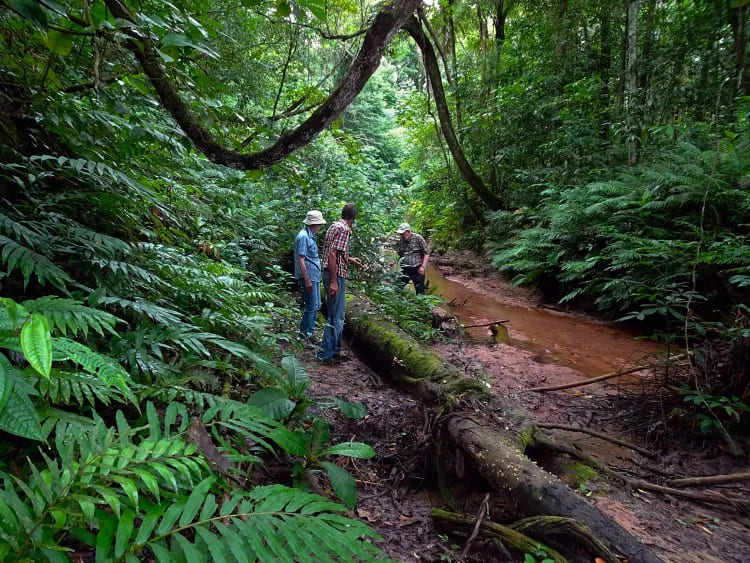
La Chonta is a section of Amboró famous for its towering tree ferns and excellent birdwatching. This is subtropical forest rather than high Andean terrain, so expect humidity, dense greenery, and the chance to see cock-of-the-rock and other colorful species. Access usually goes through the community of the same name, and hiring a local guide both improves your visit and supports the people who protect the area. Treat the community with respect and always ask before photographing anyone.
Noel Kempff Mercado National Park
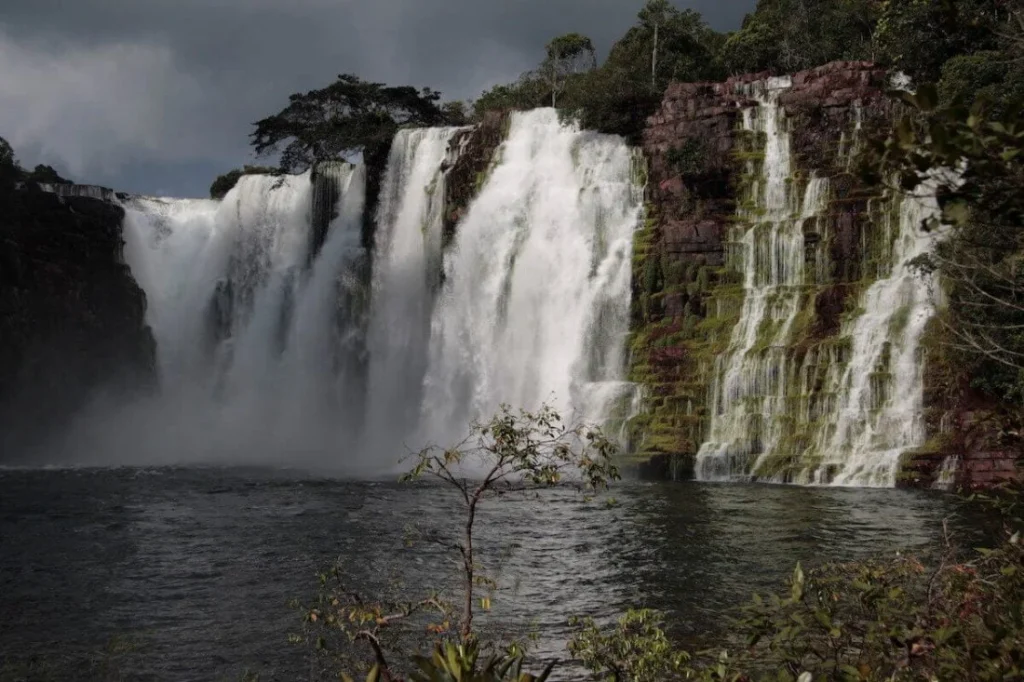
Noel Kempff Mercado, in the far northeast of the department, is a UNESCO World Heritage Site known for immense untouched wilderness. Trekking here means rainforest, open savanna, and dramatic tabletop plateaus that inspired classic adventure fiction. The route to the Arcoíris Falls is a favorite, taking you through thick jungle to one of the park’s most striking waterfalls. Birdwatchers will be busy, with more than 600 species recorded inside the park.
Planning Your Visit
This park is remote and logistically demanding. Most trips are arranged as multi-day expeditions with air or river access, so it suits travelers with time and a taste for true wilderness.
Lomas de Arena
Just outside the city, Lomas de Arena is a protected area of sand dunes and seasonal lagoons that feels worlds away from the surrounding lowlands. The dunes rise high enough to give you sweeping views, and the walking here is light rather than technical, which makes it ideal for a half-day escape. Many visitors add sandboarding, and the lagoons draw wading birds during the wetter months.
Choosing the Right Trek for You
If you want wildlife and forest, Amboró and La Chonta deliver. If history and comfort matter, base yourself in Samaipata. For raw wilderness, Noel Kempff rewards the effort, and for an easy day near the city, Lomas de Arena is hard to beat. Whatever your pace, the region around Santa Cruz has a trail to match it.
Frequently Asked Questions
When is the best time to trek in Santa Cruz?
The dry season, from May to September, offers the most reliable trail conditions. The wet season brings lush scenery but muddy paths and harder access in the parks.
Do I need a guide?
For the interior of Amboró and for Noel Kempff, a licensed guide is required and strongly recommended for safety and logistics. Samaipata and Lomas de Arena can be visited more independently.
How fit do I need to be?
There is a route for almost every level. Lomas de Arena and the Cuevas waterfalls suit casual walkers, while Amboró’s interior and Noel Kempff demand good fitness and endurance.