Far out in the southeastern Pacific Ocean lies a destination unlike anywhere else on Earth. Easter Island, known locally as Rapa Nui, combines monumental archaeology, dramatic volcanic scenery, Polynesian traditions and the feeling of being wonderfully removed from the rest of the world.
Part of Chile but culturally rooted in Polynesia, Rapa Nui is best known for its extraordinary moai statues. Yet these stone figures are only one part of the island’s story. Ancient ceremonial villages, volcanic craters, archaeological trails, beaches and a living Rapa Nui culture make the island much more than an open-air museum.
For travelers looking for history, nature and meaningful cultural experiences, Easter Island is one of South America’s most remarkable journeys. Here are some of the places and experiences that help explain why.
1. Meet the Moai, the Icons of Easter Island
Nothing prepares you for seeing a moai in person.
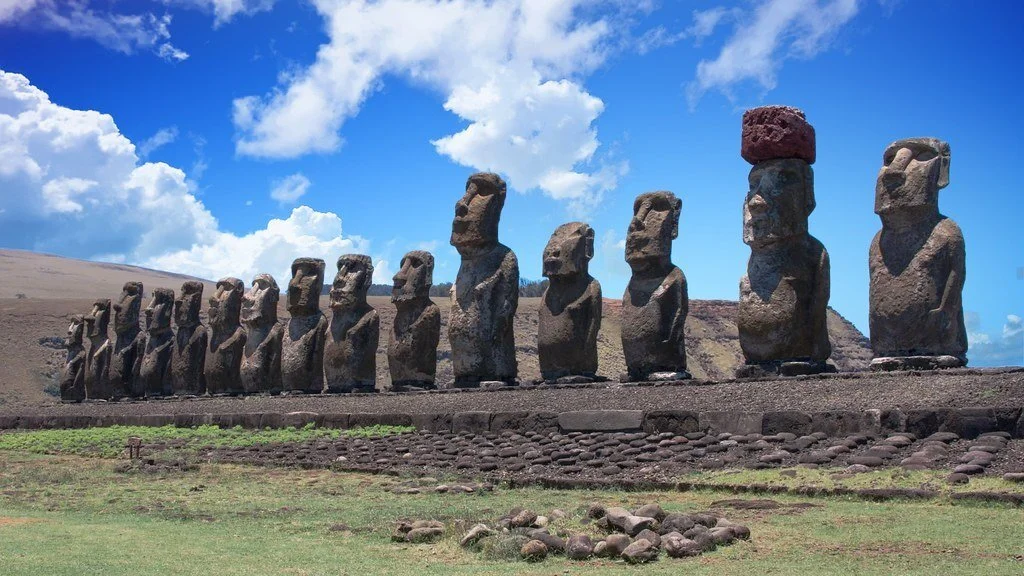
Nearly 900 moai have been documented across Rapa Nui, created by the island’s Polynesian inhabitants hundreds of years ago. Most were carved from volcanic tuff and represented important ancestors, whose presence was believed to protect and strengthen local communities.
One detail visitors often notice is that many moai positioned on ceremonial platforms, known as ahu, face inland rather than toward the ocean. Their gaze was generally directed toward the communities they represented.
Their size is impressive, but the story behind them is even more fascinating. How were such enormous figures carved, moved across the island and placed upright with the technologies available at the time? Archaeologists have developed compelling theories and found significant evidence, but discovering these sites firsthand still leaves plenty of room for wonder.
2. Explore Rano Raraku, the Birthplace of the Moai
To understand the moai, you need to visit Rano Raraku.
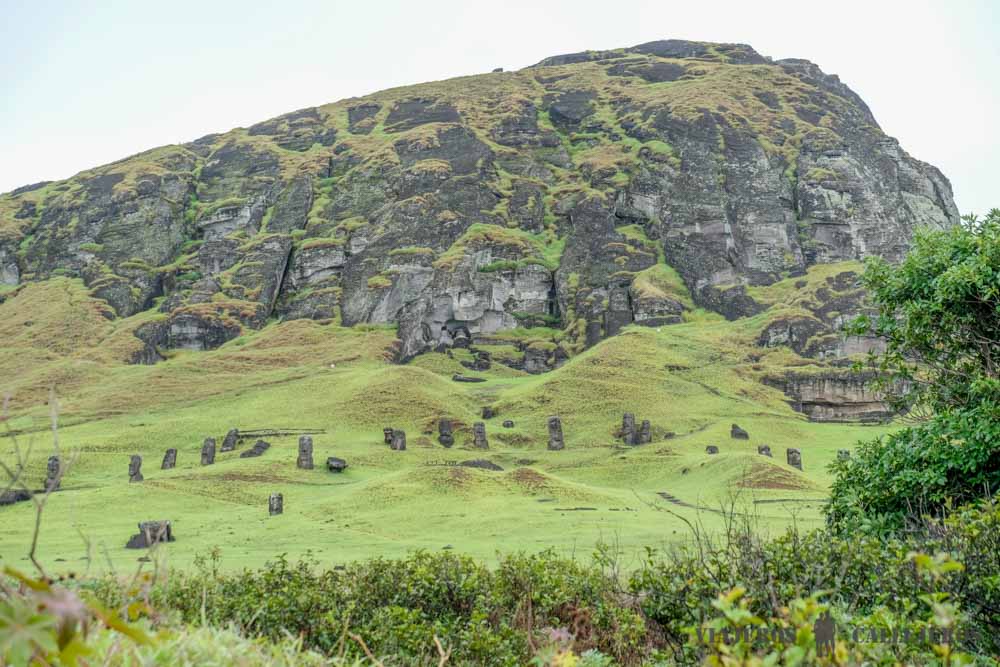
Located on the slopes of an extinct volcano, this archaeological site served as the principal quarry where most of Easter Island’s moai were carved. Hundreds of statues remain scattered around the crater and surrounding landscape.
Some appear to be only heads emerging from the earth, but their bodies continue beneath the surface. Others remain unfinished in the rock, giving visitors a remarkable glimpse into the techniques used by Rapa Nui sculptors centuries ago.
Walking through Rano Raraku feels different from visiting a traditional archaeological site. Instead of seeing artifacts behind glass, you are moving through the landscape where these monuments were actually created.
3. Watch Sunrise at Ahu Tongariki
A short distance from Rano Raraku stands one of the island’s most recognizable sights: Ahu Tongariki.
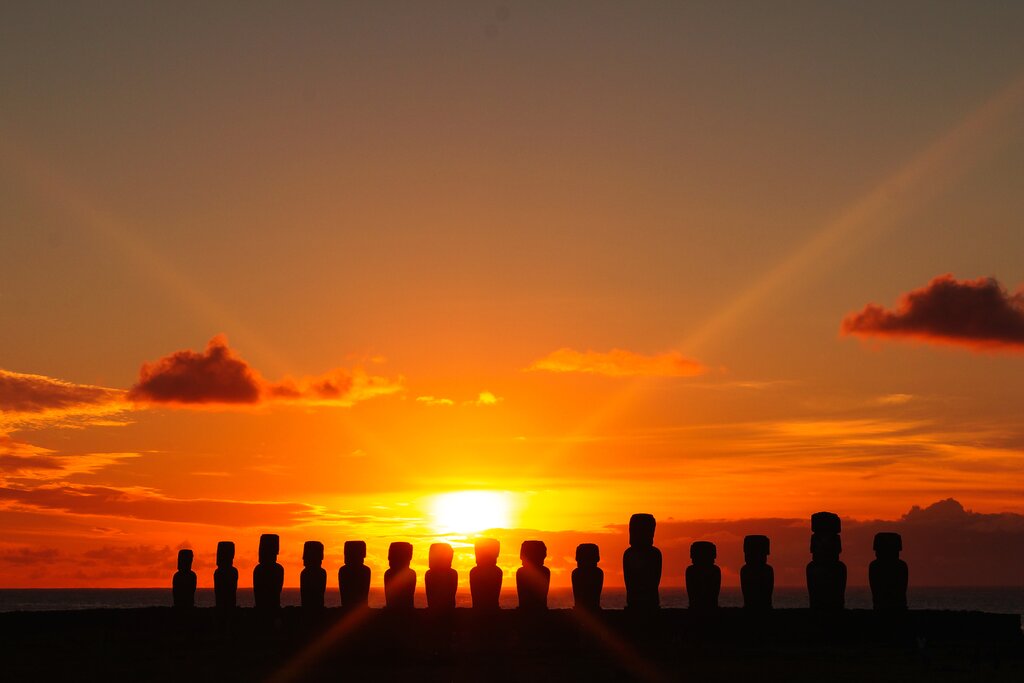
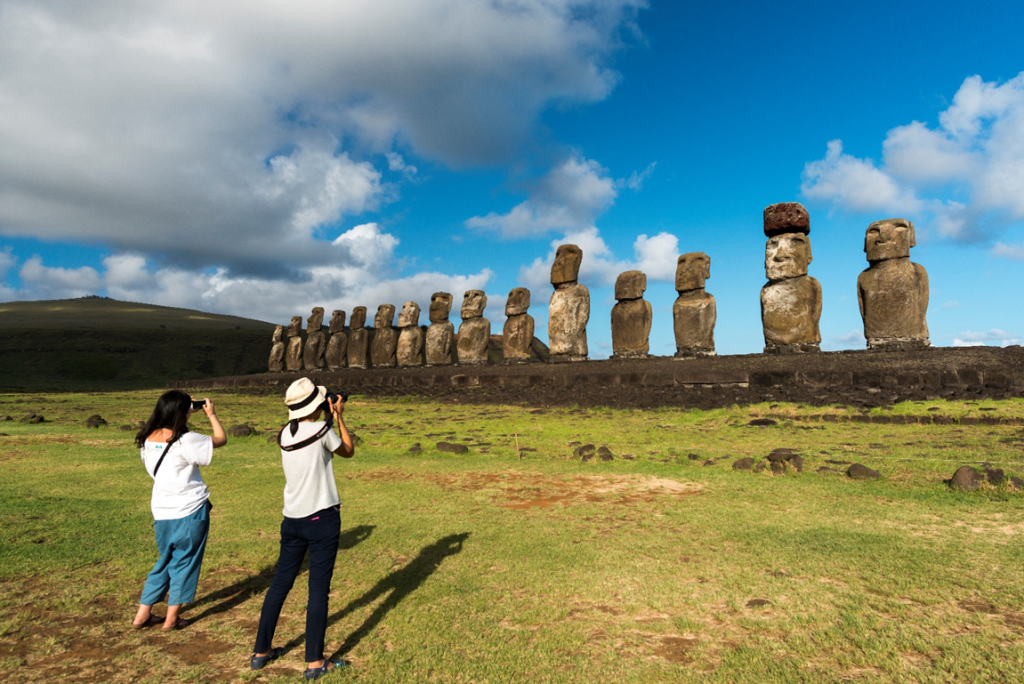
Here, 15 restored moai stand side by side on the largest ceremonial platform on Rapa Nui. Their silhouettes against the Pacific horizon create one of the island’s most memorable scenes.
Sunrise is particularly beautiful. As daylight slowly reaches the statues and the surrounding grasslands, the site takes on a completely different atmosphere.
It is one of those travel experiences where photographs can capture the scenery, but not quite the feeling of standing there.
4. Discover Rano Kau and the Ceremonial Village of Orongo
Rapa Nui’s natural landscapes are just as fascinating as its archaeological heritage.
Rano Kau is a spectacular extinct volcano with a vast crater containing a freshwater wetland. From the crater rim, visitors can appreciate sweeping views of the ocean and one of the island’s most dramatic geological formations.
Nearby is Orongo, an ancient ceremonial village closely connected with the Tangata Manu, or Birdman, tradition.
Stone houses and petroglyphs tell the story of a period when competitors participated in a dangerous ritual associated with the collection of the first manutara bird egg from the nearby islet of Motu Nui.
Visiting Orongo adds another dimension to Rapa Nui’s history and shows that the island’s culture extends far beyond the moai.

5. Relax at Anakena Beach
After exploring volcanic landscapes and archaeological sites, Anakena Beach reveals a softer side of Easter Island.
With pale sand, palm trees and clear Pacific waters, it looks almost like a postcard from Polynesia. What makes Anakena especially unusual, however, is the archaeology surrounding it.
The nearby Ahu Nau Nau features an impressive group of moai only steps from the beach.
This combination of history and tropical scenery makes Anakena an excellent place to spend a slower afternoon. Visitors can swim, walk along the shore and enjoy the landscape while still being surrounded by reminders of the island’s past.

6. Experience Rapa Nui National Park
Much of Easter Island’s archaeological heritage is protected within Rapa Nui National Park, which forms part of the UNESCO World Heritage property inscribed in 1995.
Throughout the island, travelers encounter ceremonial platforms, petroglyphs, caves, ancient settlements and volcanic formations connected with generations of Rapa Nui history.
Rather than rushing between individual monuments, it is worth experiencing the island as a complete cultural landscape. The location of each ahu, quarry or settlement helps reveal how closely ancient Rapa Nui society was connected to its natural environment.
For many visitors, traveling with knowledgeable local guides makes these places considerably more meaningful, as the stories and cultural context behind what you are seeing are just as important as the monuments themselves.
7. Connect With Living Rapa Nui Culture
One of the biggest misconceptions about Easter Island is treating its culture as something that exists only in archaeological sites.
Rapa Nui culture is very much alive.
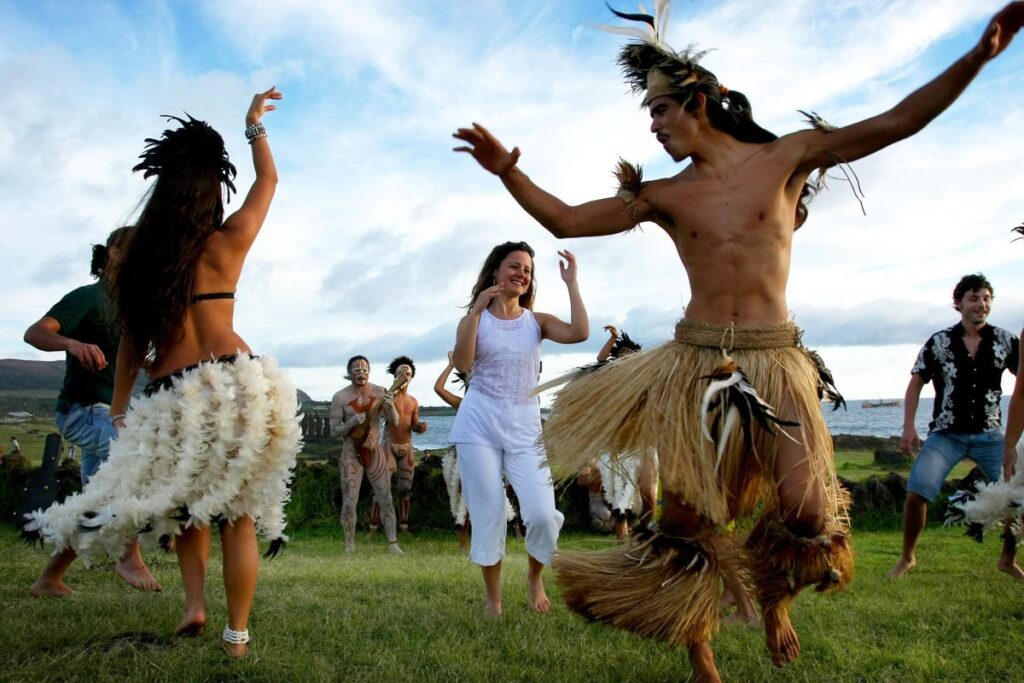
The island’s community continues to preserve its language, music, dance, artistic traditions and Polynesian identity. Cultural performances, local food, handicrafts and conversations with island residents offer travelers opportunities to experience Rapa Nui beyond its ancient monuments.
One of the most important cultural celebrations is Tapati Rapa Nui, an annual festival featuring traditional sports, music, dance, body painting and cultural competitions.
For visitors, approaching these experiences with curiosity and respect is essential. Rapa Nui is not simply a collection of mysterious statues; it is the homeland of a living community with a strong cultural identity.
Why Visit Easter Island?
There are many archaeological destinations around the world, but very few feel as distinctive as Rapa Nui.
Perhaps it is the isolation. Perhaps it is seeing enormous moai rising from windswept landscapes. Or perhaps it is the contrast between ancient ceremonial sites, volcanic craters and the immense Pacific Ocean surrounding the island in every direction.
Whatever draws you there, Easter Island encourages you to travel more slowly and look more closely.
It is a destination where understanding the stories behind the landscapes can completely transform the journey.
Discover Easter Island With MVP Experiences
At MVP Experiences, we believe Rapa Nui deserves more than a checklist of famous monuments.
A thoughtfully planned journey allows you to experience the island’s essential archaeological sites while also understanding the people, traditions and landscapes that give them meaning.
From the first light over the moai of Ahu Tongariki to the volcanic scenery of Rano Kau and the peaceful shores of Anakena, Easter Island offers the kind of travel experience that stays with you long after you return home.
Ready to discover Rapa Nui? Let MVP Experiences help you create an Easter Island journey built around history, culture, nature and unforgettable moments.