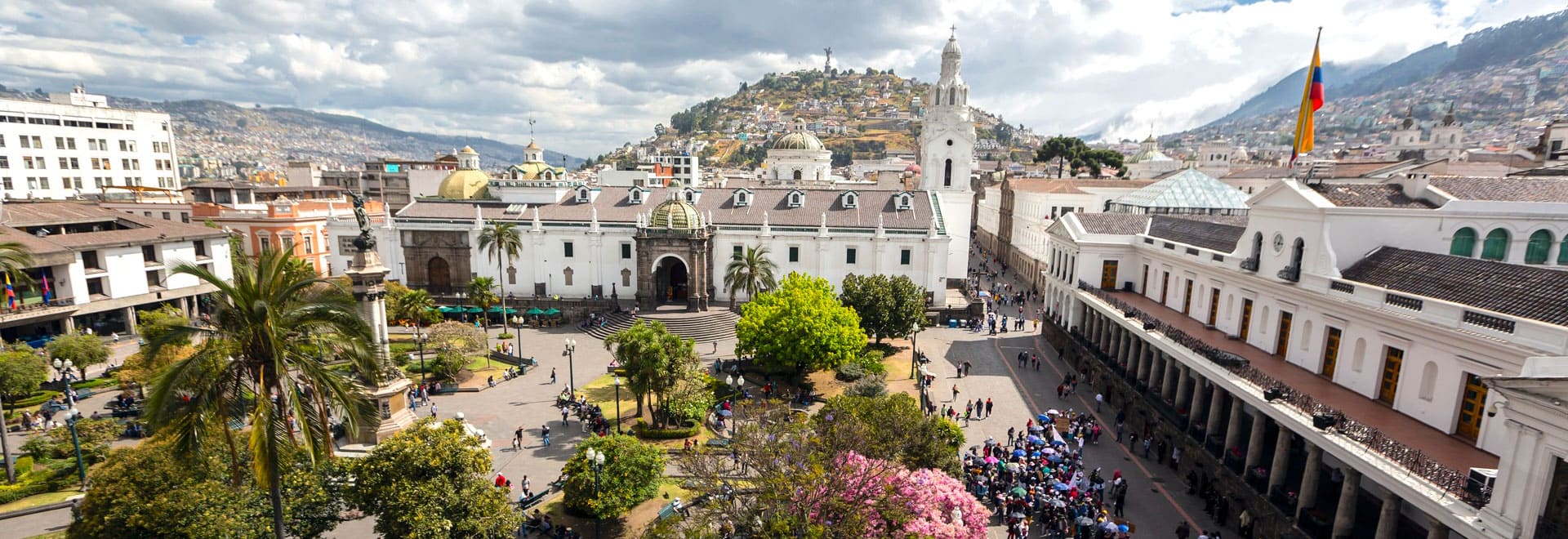
Cuenca is often described as Ecuador’s most beautiful city, and it is easy to see why. Cobblestone streets, blue-domed churches and flower markets line a historic center set along four rivers, with the Andes all around. It is calmer than Quito, easy to explore on foot and a base for some of the best day trips in southern Ecuador. This guide covers what to see in the city, what to eat and which excursions are worth your time.
Why Cuenca Feels Different from Quito
Cuenca is Ecuador’s third-largest city, but it feels like a large town. Its center is compact and flat, traffic is lighter and the pace is slower. At about 2,560 m a.s.l., it is also lower than Quito, which makes it more comfortable for walking. Many travelers stay longer than planned, and the city has become a popular place for foreign retirees.
Cañari, Inca and Spanish Layers of History
From Guapondélig to Tomebamba
Long before the Spanish, the Cañari people founded a settlement here called Guapondélig. When the Incas conquered the region in the 15th century, they built Tomebamba on the same site, a city that became one of the most important in the northern part of the empire.
The colonial city and its UNESCO status
The Spanish founded Cuenca in 1557, following a grid plan that still shapes the center. Its well-preserved colonial architecture, combined with 19th-century buildings influenced by European styles, earned the historic center a place on the UNESCO World Heritage List in 1999.
Walking the Historic Center
Parque Calderón and the two cathedrals
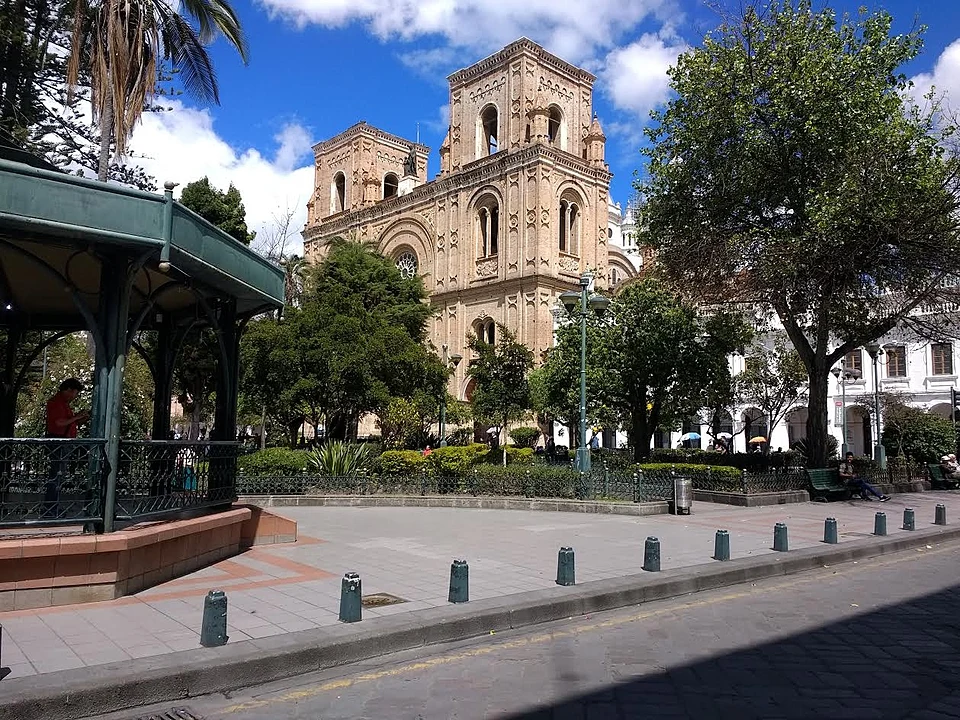
Parque Calderón is the main square, shaded by tall pine trees. On one side stands the Old Cathedral, now a museum, and on the other the New Cathedral, whose large blue-tiled domes are the symbol of the city. Climb to the upper terrace of the New Cathedral for close views of the domes and the rooftops around them.
The flower market at El Carmen
Next to the Carmen de la Asunción church, a small daily flower market fills the square with color. Local women sell roses, lilies and arrangements, and it is one of the most photographed corners of Cuenca.
Calle Larga and the Barranco
Calle Larga runs along the edge of the center, with cafés, restaurants and small museums. Below it, the Barranco is a line of houses built on the cliff above the Tomebamba River. Stairways lead down to a riverside path, ideal for a late afternoon walk.
Pumapungo: Inca Terraces in the City
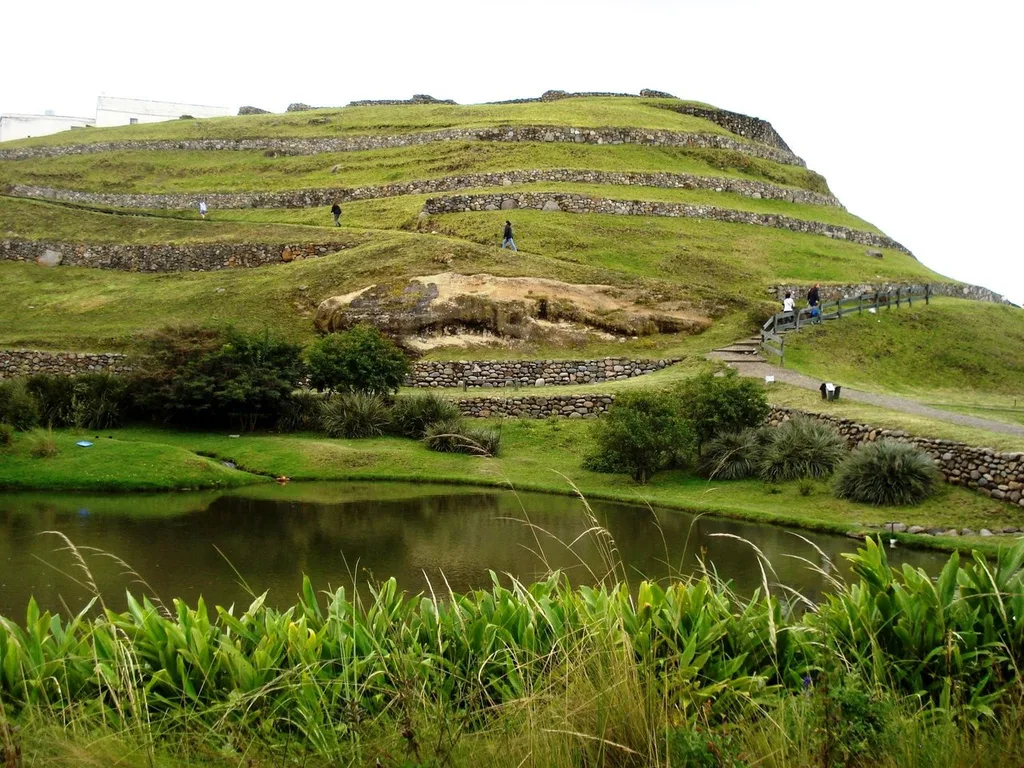
Pumapungo preserves the remains of the Inca city of Tomebamba, including stone foundations, terraces and a garden with native plants and birds. The adjoining museum covers the cultures of Ecuador, with an exhibit of traditional dress from different regions and a collection of tsantsas, shrunken heads made by Amazonian peoples. Entrance is free, and you can easily spend a couple of hours here.
The Real Story of the Panama Hat
Despite its name, the Panama hat is made in Ecuador. It got its name because it was shipped through Panama and worn by workers building the canal. The hats are woven from toquilla straw, and the traditional weaving technique is recognized by UNESCO as Intangible Cultural Heritage.
Visiting a hat workshop
Several workshops in Cuenca offer free tours showing how the straw is processed, woven, bleached and shaped. The finest hats can take months to weave and are tightly woven enough to hold water. It is the best place in Ecuador to buy one, with prices varying widely depending on the quality of the weave.
Mercado 10 de Agosto and Cuenca Cooking
This covered market is where locals shop for fruit, vegetables, meat and herbs. The upper floor has food stalls serving hornado, roasted pork with mote and potato cakes, at low prices. Other dishes to try in Cuenca include mote pillo, hominy scrambled with eggs and onions, and cuy asado on weekends. On cold evenings, try canelazo, a hot drink made with cinnamon and sugarcane spirit.
Sunset at the Turi Viewpoint
The Turi viewpoint, on a hill south of the city, offers a panoramic view of Cuenca with its domes and red roofs below. Go at sunset and stay as the lights come on. A small craft area and cafés nearby make it a pleasant stop, and taxis or the tourist bus reach it easily.
Day Trips from Cuenca
Cajas National Park
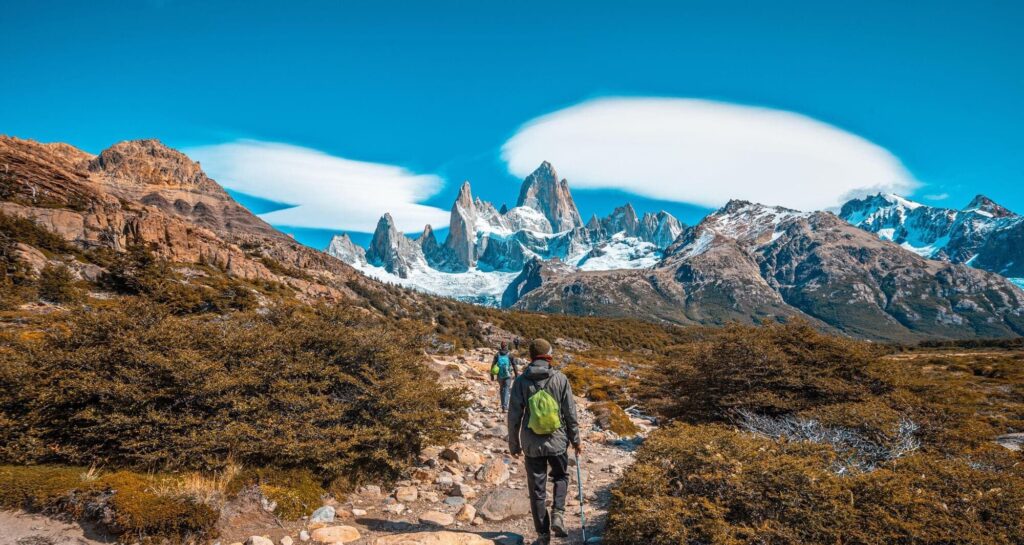
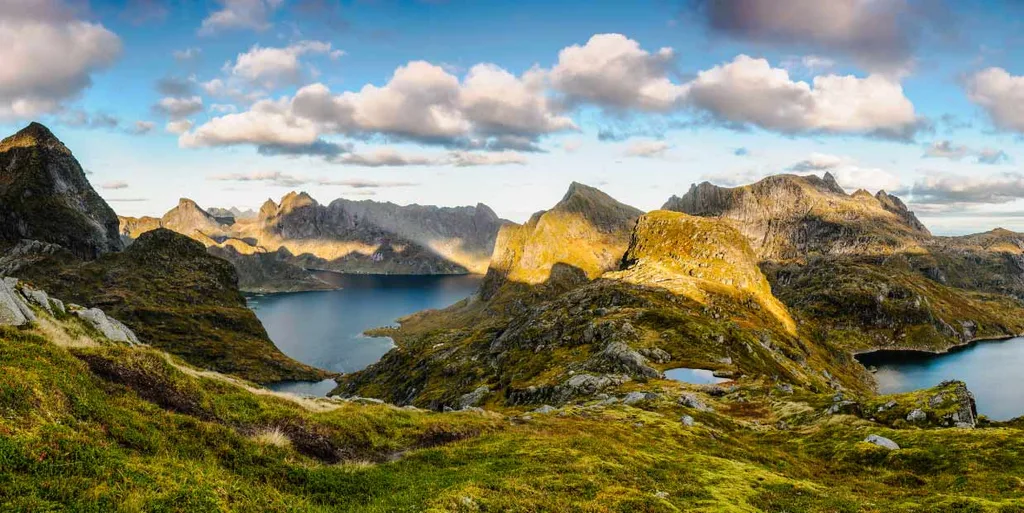
Less than an hour from Cuenca, Cajas National Park protects a high-altitude landscape of páramo grasslands, polylepis forests and hundreds of glacial lakes. Trails of different lengths start near the visitor center at Laguna Toreadora.
Hiking at páramo altitude
Most trails in Cajas are above 3,800 m a.s.l., so walk slowly and bring warm, waterproof clothing, as fog and rain can arrive quickly. Stay on marked trails, since visibility can drop to a few meters.
Ingapirca
About two hours north of Cuenca, Ingapirca is the largest Inca site in Ecuador. Its main structure, known as the Temple of the Sun, has an unusual elliptical shape and shows how the Incas built alongside the Cañari. A small museum explains both cultures.
Gualaceo and Chordeleg
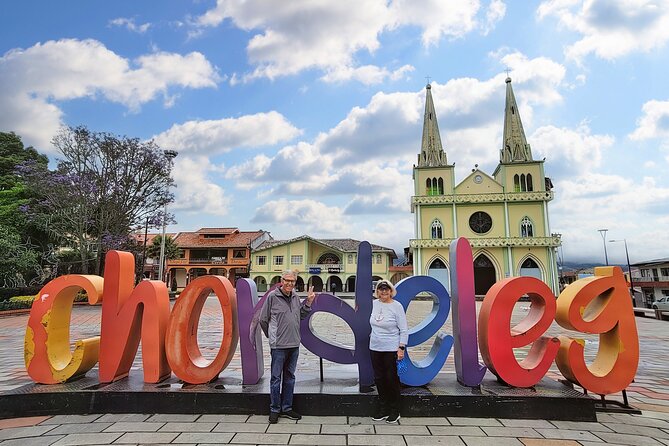
These two towns east of Cuenca are known for crafts. Gualaceo is famous for its ikat-dyed shawls, called macanas, while Chordeleg has shops full of silver and gold filigree jewelry. Many visitors combine both in a half-day trip.
Hot springs at Baños de Cuenca
Just outside the city, the village of Baños de Cuenca has thermal pools and spas fed by natural springs. It is a relaxing way to end a day of sightseeing. Do not confuse it with the town of Baños in central Ecuador.
Spring-Like Climate, Afternoon Showers
Cuenca has mild temperatures all year, usually between 14 and 20°C during the day, with cool nights. Rain can appear at any time, often in the afternoon, so carry a light jacket and umbrella. The wetter months tend to be from February to May, while June to September is often drier.
Getting to Cuenca from Quito and Guayaquil
Flights from Quito take less than an hour and are the fastest option. From Guayaquil, the bus ride takes around four hours and crosses Cajas National Park, with dramatic scenery along the way. Many travelers start in the capital before heading south, and you can plan that part with our Quito travel guide.
Adding Cuenca to an Ecuador Itinerary
Two full days are enough to enjoy Cuenca’s center and museums, plus a third day for Cajas or Ingapirca. The city works well as the southern stop of a trip that also includes Quito, the Andes and the coast or the Galápagos. If you want Ecuador combined with other South American highlights, our 12-day South America itinerary brings several destinations together in one trip.
Frequently Asked Questions
How many days do I need in Cuenca?
Two or three days let you see the center, visit a hat workshop and take one day trip to Cajas or Ingapirca.
Is Cuenca a safe city for tourists?
Cuenca is considered one of the safest cities in Ecuador. Standard precautions still apply in markets and at night.
What currency is used in Ecuador?
Ecuador uses the US dollar. Bring small bills, as large notes can be difficult to change in shops and markets.
Can I buy a Panama hat at a fair price in Cuenca?
Yes. Prices in Cuenca are lower than in other countries, and workshops let you compare different qualities before buying.
Is Cuenca a good base for families?
Yes. The flat center, parks along the river and short day trips make it easy to explore with children.
Can I reach Ingapirca by public transport?
Yes. Direct buses leave from Cuenca’s terminal, but a tour or private transfer saves time and includes a guide.