The Ecuadorian Amazon, also known as the Oriente, is the stretch of rainforest east of the Andes. It is home to wide rivers, dense forest, and one of the highest concentrations of species in the country. It is also the territory of Indigenous peoples who have lived in this basin for centuries. This is not a theme park. It is real rainforest: heat, rain, mud, and wildlife that appears when there is silence and a guide who knows where to look.
A Paradise of Biodiversity in the Amazon Rainforest
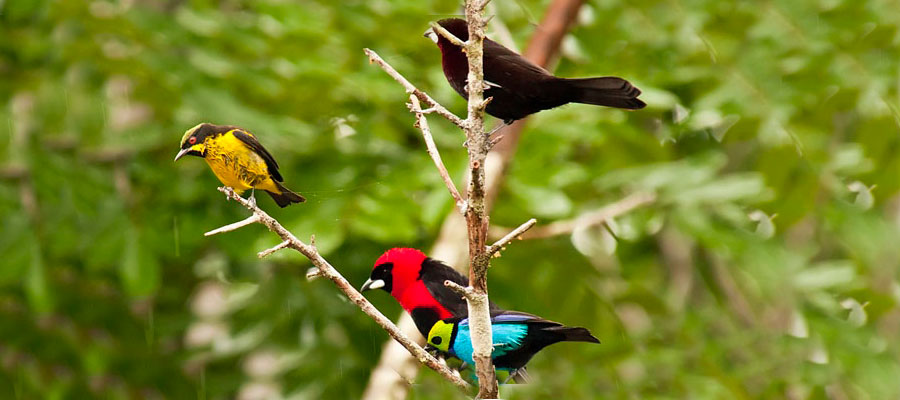
Ecuador has a relatively small Amazonian territory compared with Brazil or Peru, yet its number of species is remarkably high. The forest is home to monkeys, sloths, caimans, toucans, and macaws. Pink river dolphins can also be seen in some rivers. For birdwatchers, the area is especially rich, with days often planned around bird calls, clay licks, and riverbanks at sunrise.
Two names account for a large part of travel in the region: Yasuní National Park and the Cuyabeno Wildlife Reserve. Yasuní is often cited as one of the most biodiverse places on the planet. Cuyabeno is explored mainly through its lagoons and waterways. In both areas, access conditions and protected-area regulations are just as important as the lodge you choose.
Encounter with the Ancestral Cultures of the Oriente
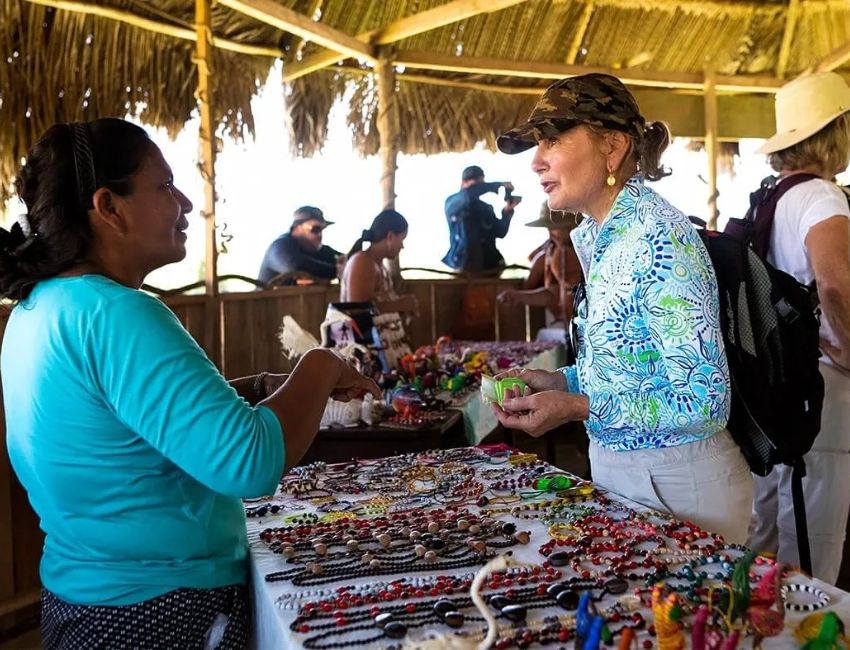
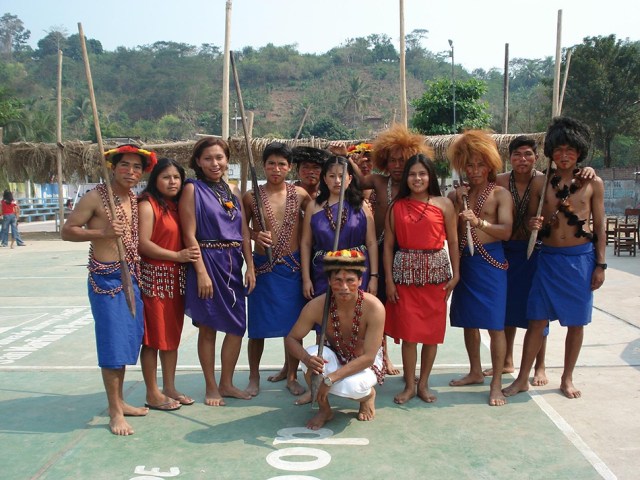
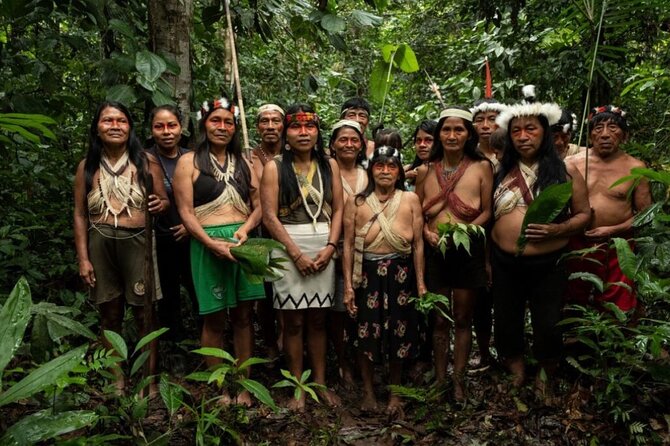
The Oriente is home to peoples such as the Kichwa, Shuar, Achuar, Huaorani, and Cofán. Each has its own language, territory, and way of relating to the forest. Several communities welcome travelers through community-based tourism, where visitors may see the chacra, learn about plants used in daily life, and, when agreed upon, take part in a local activity.
This works when there is a clear agreement with the community, not when the visit is treated as an extra part of a tour package. Ask what is included, who receives the payment, and what can be photographed.
Experiences in the Ecuadorian Rainforest
A typical program combines hikes along forest trails, canoe trips on rivers or lagoons, wildlife watching at sunrise and sunset, parrot clay licks, and night walks to look for amphibians and insects. Staying in a lodge inside the reserve reduces travel time and makes it easier to go out when wildlife is most active.
If you want to combine the Amazon with the highlands and coast, there is a 12-day Ecuador package that brings these three regions together in one itinerary.
How to Get There and When to Visit the Ecuadorian Amazon
Most trips enter through Coca (Puerto Francisco de Orellana), Lago Agrio, or Tena. From Quito, you can travel by road or by air. The final stretch into the reserve is usually by canoe, and the river itself already becomes part of the journey.
The climate is warm and humid throughout the year. Rain is frequent, and the region can be visited in any month. Periods with less rainfall make hiking easier and can improve the chances of seeing wildlife. Bring quick-drying clothes, boots or shoes suitable for mud, and a rain jacket for afternoon showers.
A Destination That Leaves a Lasting Impression
The Ecuadorian Amazon cannot be summed up in a photo of a dolphin or a macaw. It is understood through the canoe ride, the midday heat, and what the guide points out among the trees. When the trip is well organized, Yasuní or Cuyabeno provide a clear sense of what the Oriente is about: forest, river, and the people who live within this basin.