South America is bigger than most travelers expect. Brazil alone is larger than the contiguous United States, and a route that looks short on the map can take a full day by road. Choosing how to move between cities and countries shapes your budget, your energy and how much time you actually spend at each destination. This guide explains how flights, buses, ferries and land borders work, so you can plan a route that makes sense.
Distances That Change Your Plans
Why the map is misleading
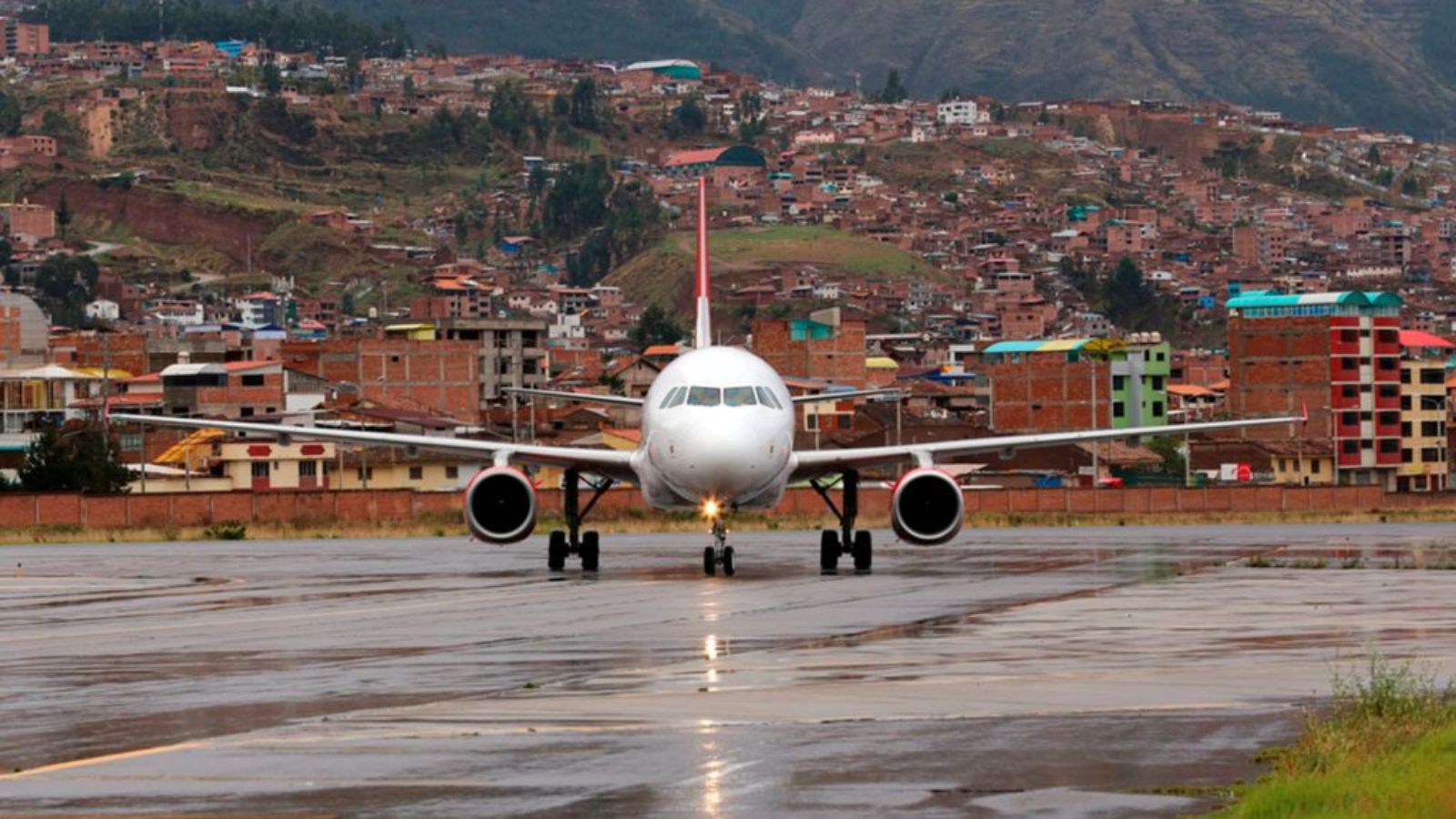
The Andes run along the western side of the continent, and roads often climb, twist and descend for hours. Lima to Cusco is about 1 hour and 20 minutes by plane, but more than 20 hours by bus. Buenos Aires to Iguazú Falls takes around 2 hours by air and about 18 hours by road.
A simple rule for planning
If a bus ride would take more than 10 to 12 hours, a flight usually saves you a full day of your trip. Shorter legs, especially those with good scenery, are often better by road.
Regional Flights and the Main Hubs
Most international connections inside South America pass through a few large airports: Lima, Bogotá, Santiago, São Paulo and Buenos Aires. Panama City is also an important hub for flights between Central and South America. Choosing a route that connects through these cities often means more options and better prices.
Full-service and low-cost airlines
LATAM and Avianca fly across much of the continent, while Aerolíneas Argentinas, GOL and Azul cover large domestic networks in Argentina and Brazil. Low-cost carriers like JetSMART and Sky Airline offer cheaper fares on many routes in Peru, Chile, Argentina and Colombia.
What a cheap fare really includes
Low-cost tickets often include only a small personal item. Checked bags, larger carry-ons and seat selection are paid extras, and they cost more at the airport than online. Compare the final price with luggage before deciding which fare is actually cheaper.
Long-Distance Buses
Buses are the backbone of travel in South America. In countries like Peru, Chile and Argentina, the main companies run modern coaches with reclining seats, onboard bathrooms and meals on longer routes.
Seat classes worth knowing
In Argentina, seats are usually labeled semi-cama or cama. Semi-cama reclines partially, while cama reclines much further and feels closer to a bed. In Peru and Chile, similar categories go by names like VIP or salón cama. For overnight trips, paying a little more for a wider seat makes a big difference.
Choosing a reliable company
Prices vary a lot between companies, and the cheapest option is not always the safest. Book with established operators, buy tickets at the official terminal or website, and avoid informal vehicles that offer rides outside the station.
Ferries, Boats and Scenic Trains
Some routes are best crossed by water or rail. Ferries link Buenos Aires with Colonia del Sacramento and Montevideo in Uruguay across the Río de la Plata, making a day trip or a country change very simple. On Lake Titicaca, boats connect Puno with the floating islands of the Uros and Taquile, and on the Bolivian side, Copacabana with Isla del Sol.
In Peru, trains are the most common way to reach Machu Picchu from Cusco and the Sacred Valley. In Patagonia, boat trips on lakes and fjords are part of the experience rather than just transport.

Land Borders Travelers Use Most
Peru and Bolivia around Lake Titicaca
The two main crossings are Kasani, near Copacabana, and Desaguadero, on the southern shore of the lake. Most travelers going from Puno to La Paz use Kasani, then cross the Strait of Tiquina by a short ferry while the bus travels on a separate barge.
Chile and Argentina across the Andes
The Los Libertadores pass connects Santiago and Mendoza on one of the most impressive mountain roads on the continent. In winter, snow can close the pass for days, so leave space in your schedule if you travel between June and September.
Argentina and Brazil at Iguazú
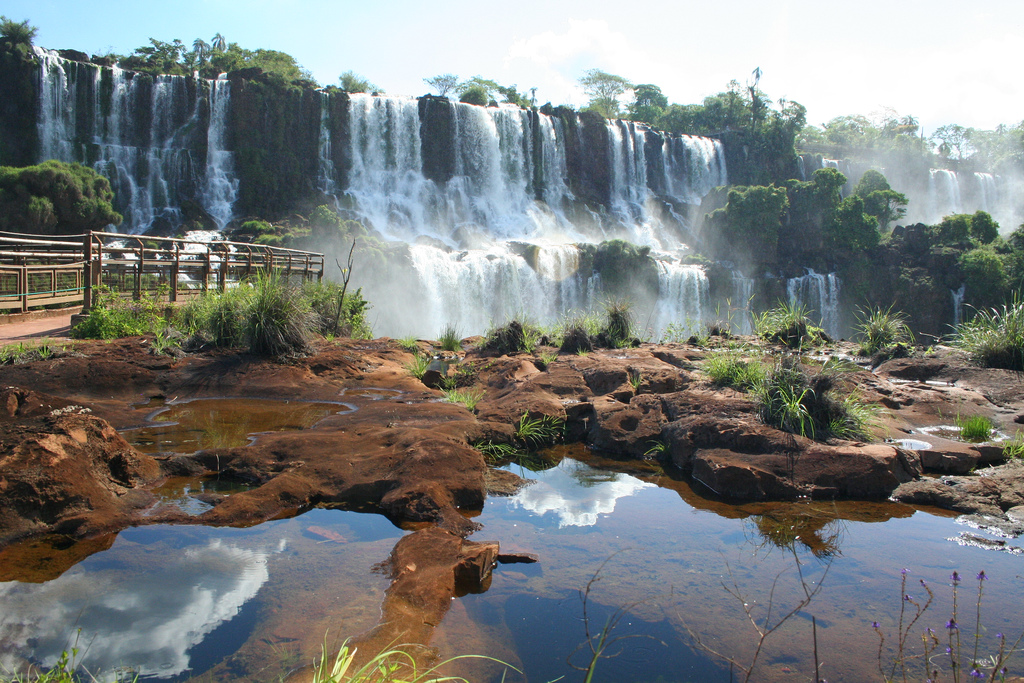
The Tancredo Neves bridge joins Puerto Iguazú in Argentina and Foz do Iguaçu in Brazil. Many visitors cross in the same day to see the falls from both sides.
Bolivia and Chile across the high desert
Tours from Uyuni often end in San Pedro de Atacama after crossing the border at Hito Cajón. The post is remote, so carry your passport within reach and some cash for the trip.
Paperwork at Each Crossing
Every crossing has two stops: exit control in the country you are leaving and entry control in the one you are entering. Keep your passport, any tourist card you received on arrival and a copy of your onward ticket together. Visa rules depend on your nationality, and Bolivia, in particular, requires a visa for some passport holders, so check the requirements well before your trip.
Food and agricultural checks
Chile has strict rules on fruit, vegetables, meat, dairy and seeds. Declare any food you carry or leave it behind, because undeclared items can lead to fines. Argentina and Peru also inspect luggage at some crossings.
Timing Your Transfers Wisely
Border lines can be long during holidays and high season, especially at the Chile and Argentina crossings. Plan a buffer of several hours between a land crossing and any flight you need to catch. Night buses save hotel costs, but arriving at a new border or city in the early morning is easier when you have rested.
Flights in the Andes can also be delayed by weather, mostly in the rainy season. Avoid booking an international flight on the same day as a domestic connection from Cusco or La Paz.
Safety in Terminals and on the Road
Keep valuables in a small bag that stays with you, not in the overhead rack or the luggage hold. Take the luggage receipt when you check a bag on a bus, as you will need it to collect your suitcase. In large terminals, use official taxis or ride apps rather than accepting offers inside the station.
If you are starting a trip in Argentina, our guide to Buenos Aires highlights helps you plan your first days before moving on.
Letting a Planned Route Handle the Logistics
Combining several countries means coordinating flights, transfers, hotels and border times. A planned itinerary takes care of these details, so you spend your time at the destinations rather than in terminals. If you want Peru, Chile, Argentina and Brazil in one trip, our itinerary for South America in 19 days connects them with flights and transfers already arranged.
Frequently Asked Questions
Is it cheaper to fly or take the bus in South America?
Buses are usually cheaper, but low-cost flights can compete on long routes, especially when you count the time saved.
Do I need my passport for flights inside one country?
Foreign visitors should always carry their passport, as airlines in most South American countries ask for it even on domestic flights.
Can I cross borders by bus at night?
Some international buses cross at night, but many border posts work limited hours. Check the schedule of the crossing before booking.
How early should I arrive at a bus terminal?
Arrive at least 30 minutes before departure, and an hour early for international buses that require extra paperwork.
Are border crossings open every day?
Main crossings open daily, although opening hours vary and mountain passes can close because of snow.
Should I book long-distance buses in advance?
During holidays and high season, yes. At other times, you can often buy tickets a day or two before traveling.