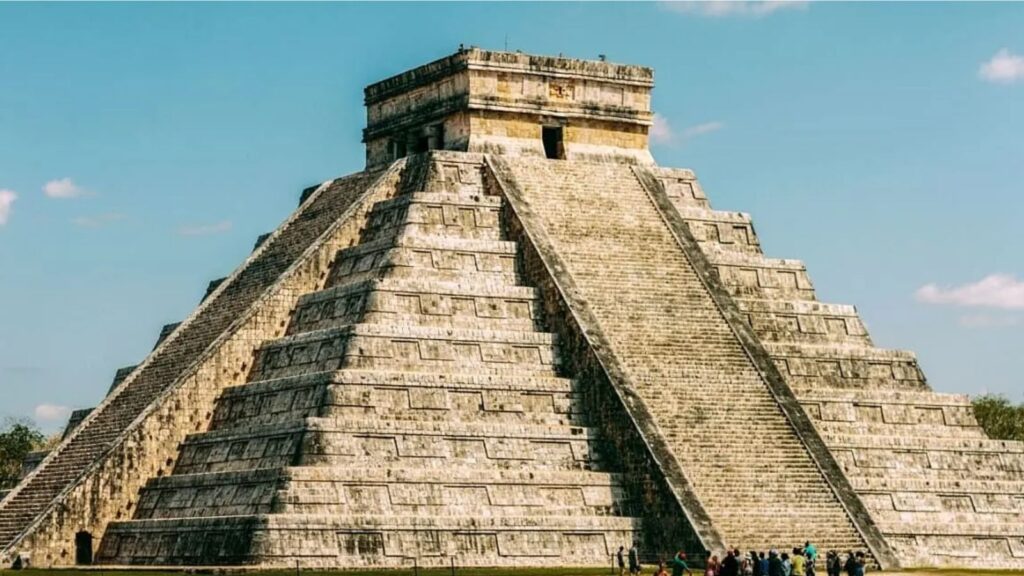

A first trip to South America usually starts with a long wish list: Machu Picchu, Patagonia, Iguazú Falls, the salt flats of Uyuni, Rio de Janeiro. Fitting all of it into one vacation is rarely possible, and trying to do so can turn the trip into a race between airports. The best route is the one that matches your time, your interests and the season you travel. This guide walks you through those decisions, step by step, so you can build a route that feels full without feeling rushed.
Start With the Number of Days You Have
Your trip length decides how many countries make sense. As a general guide, plan at least four to five days per country, plus extra time for long transfers.
One to two weeks
With 10 to 14 days, focus on one or two neighboring countries. Peru on its own fills this time easily, and Peru with Bolivia works well if you are interested in the Andes and Lake Titicaca.
Three weeks or more
With 17 to 25 days, you can link three or four countries, for example Peru, Chile, Argentina and Brazil. Longer trips also leave space for rest days, which become more valuable than they seem when planning.
Match the Route to What Excites You
Ancient sites and mountain landscapes
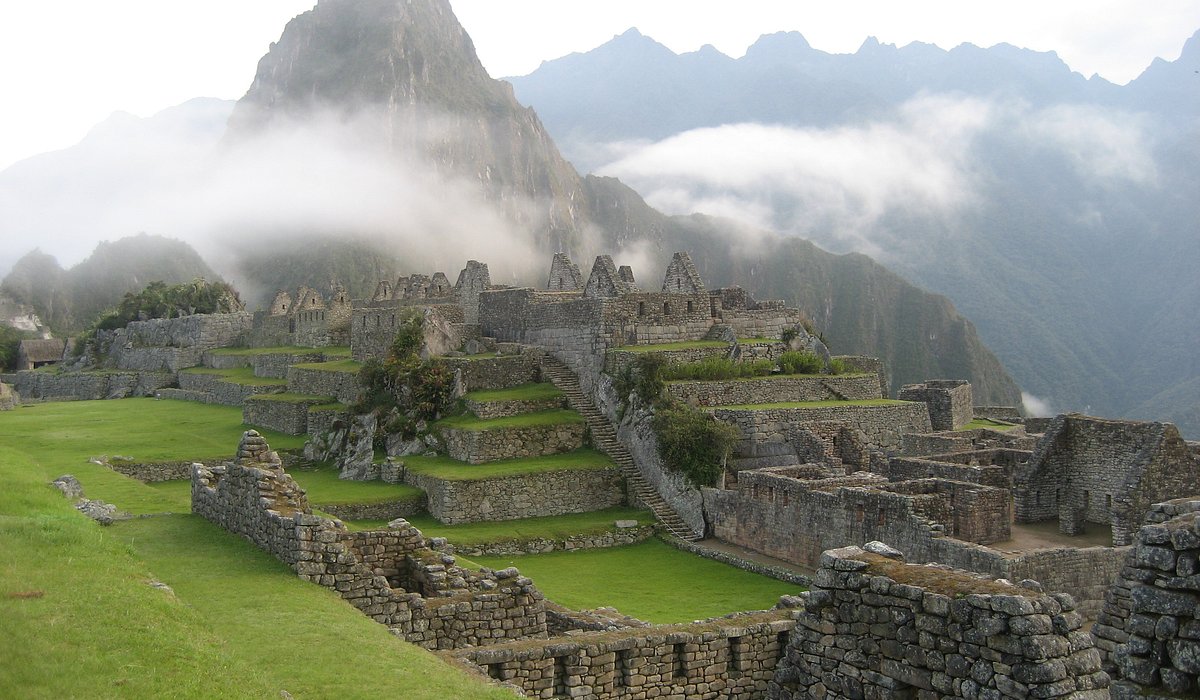
Peru and Bolivia are the heart of Inca and pre-Inca history. Cusco, the Sacred Valley, Machu Picchu and Lake Titicaca form the core of most routes focused on culture and archaeology.
Wildlife and wild places
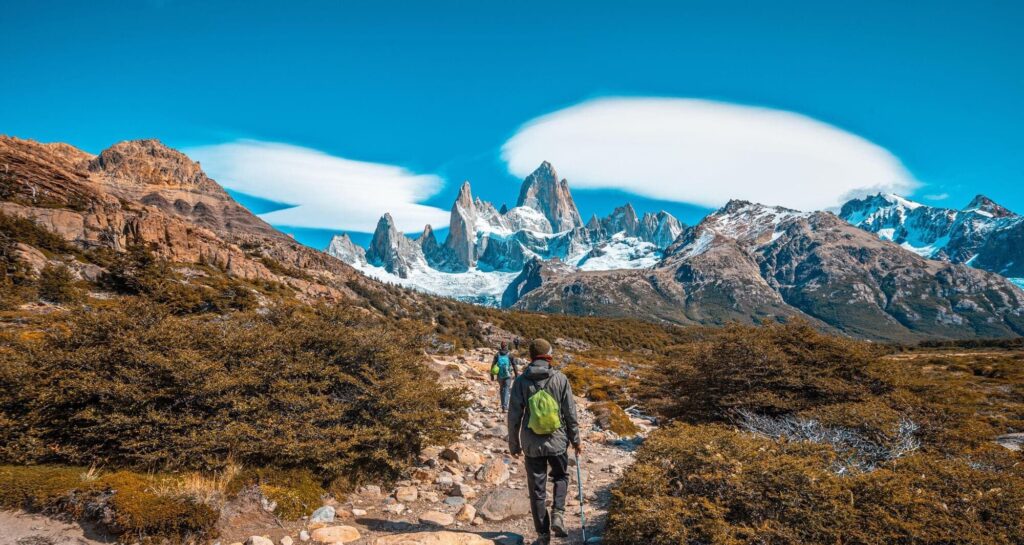
The Galápagos Islands in Ecuador, the Amazon in Peru or Brazil and the glaciers of Patagonia in Argentina and Chile are the strongest choices for nature. Each needs several days on its own, so give them priority if they are on your list.
Cities, food and wine
Lima, Buenos Aires, Santiago and Rio de Janeiro offer great restaurants, neighborhoods and nightlife. Wine lovers can add the vineyards around Mendoza or Chile’s Central Valley.
If wine is part of your plan, our guide to Mendoza wine country helps you decide which valleys and wineries to include.
Beaches and slow days
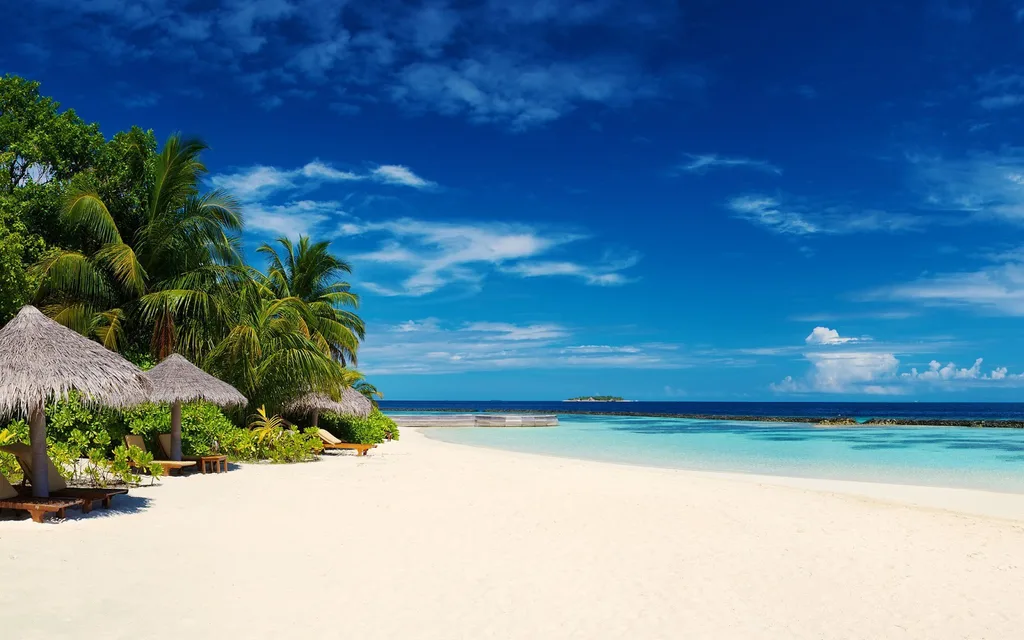
Brazil’s coast and Colombia’s Caribbean side are the classic places to end a trip with sun and sand. Many travelers leave the beach for last, after the more active days in the mountains.
Classic Route Shapes for a First Visit
The Peru focus
Lima, Cusco, the Sacred Valley and Machu Picchu, with Lake Titicaca, Arequipa or the Amazon added depending on your time. This is the most popular first route on the continent and works well in 9 to 13 days.
The Andean highlands
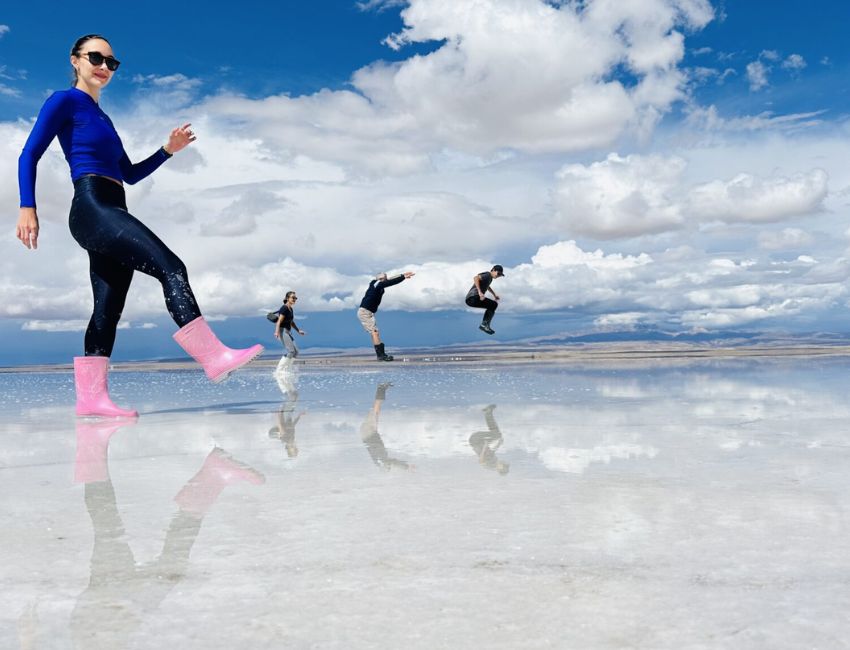
Peru combined with Bolivia, crossing from Puno to La Paz and continuing to the Uyuni salt flats. It is a strong route for landscapes and culture, but almost all of it sits at high altitude.
The southern cone
Santiago, Mendoza, Buenos Aires and Patagonia bring together cities, wine and glaciers. It suits travelers who prefer comfort, good food and big open spaces.
The grand loop
Peru, Chile, Argentina and Brazil in one trip, usually starting with Machu Picchu and ending in Rio de Janeiro. It covers the highlights of the continent and needs at least two and a half weeks.
Seasons That Pull Routes in Different Directions
South America covers many climates, and the best month for one region can be the worst for another. In the Peruvian and Bolivian Andes, the dry season runs from about May to September, which is ideal for trekking and clear views. Patagonia, on the other hand, is best from November to March, when days are long and the weather is milder.
This means a route that includes both the Andes and Patagonia always involves some compromise. The shoulder months, like April, October and November, often balance both regions reasonably well.
Altitude and the Order of Your Stops
Cusco sits at about 3,400 meters and La Paz at around 3,600 meters. Flying straight from sea level to these cities can cause headaches, tiredness and shortness of breath during the first days.
A gentler way to climb
Many travelers start in the Sacred Valley, which is lower than Cusco, and move up to the city afterwards. Avoid planning a hard trek or a long tour on your first day in the highlands. If your route includes both coast and mountains, place a few easy days at the start of the high-altitude section.
Choosing Where to Arrive and Where to Leave
Flying into one city and out of another, known as an open-jaw ticket, saves you from going back to your starting point. A common choice is arriving in Lima and leaving from Rio de Janeiro or Buenos Aires. Compare the price with a regular round trip, as the difference is often small and the time saved is significant.
How Budgets Change Between Countries
Daily costs vary a lot across the continent. Bolivia and Peru are generally the most affordable for food, transport and lodging, while Chile, Uruguay and Brazil tend to be more expensive. Prices in Argentina can change quickly because of inflation and exchange rates, so check current costs close to your trip. Balancing a cheaper country with a more expensive one helps keep the overall budget under control.
Fewer Stops, Better Trip
It is tempting to add one more city or one more country. Every new stop, however, means packing, transfers and time lost in transit. Staying at least two or three nights in each place lets you see more than the main sights and gives your body time to rest. A route with fewer stops almost always feels richer at the end.
Common Planning Mistakes to Avoid
Booking Machu Picchu tickets too late is one of the most frequent problems, especially from May to September, when entries sell out weeks or months in advance. Another is underestimating travel days between distant regions, such as Patagonia and the Andes. Many first-time visitors also forget that holidays like Carnival or Easter raise prices and fill hotels quickly.
When a Ready-Made Itinerary Makes Sense
If you have limited time or prefer not to coordinate every flight, hotel and entry ticket, a planned route lets you focus on the experience. Our 12-day South America itinerary is designed for first-time visitors who want to see several highlights in under two weeks.
Frequently Asked Questions
Which country is best for a first trip to South America?
Peru is the most common choice because it combines Machu Picchu, food, culture and well-organized tourism in a single country.
How many countries can I visit in two weeks?
Two countries is a comfortable number. Three is possible if they are close to each other and you accept some travel days.
Is South America a good destination for first-time international travelers?
Yes, especially on popular routes, where tourism services are well developed and English is spoken in most hotels and tours.
Do I need to speak Spanish?
It is not essential, but basic phrases help in markets, taxis and small towns. In Brazil, the language is Portuguese.
Should I travel independently or with a tour?
Independent travel offers flexibility, while a tour saves time on logistics. Many first-time visitors choose a planned route for multi-country trips.
How far in advance should I plan my route?
Three to six months ahead is a good window, and earlier if your trip includes Machu Picchu in high season or the Galápagos.