The Uyuni Salt FlatIt doesn’t look like anywhere else on Earth. An endless white landscape, a sky reflected on the ground during the rainy season, and scenery unlike anywhere else in the world. In this guide, you’ll find everything you need to plan your trip: what the Uyuni Salt Flat is, when to visit, how to get there, what to see, and how to prepare for your journey.
What Is the Uyuni Salt Flat?
The Uyuni Salt Flat, or Salar de Uyuni, is the largest salt flat in the world, covering more than 10,000 square kilometers (about 3,900 square miles). Located in southwestern Bolivia, it is so vast and remarkably flat that it can even be seen from space. Beneath its salt crust lies brine containing significant lithium resources.
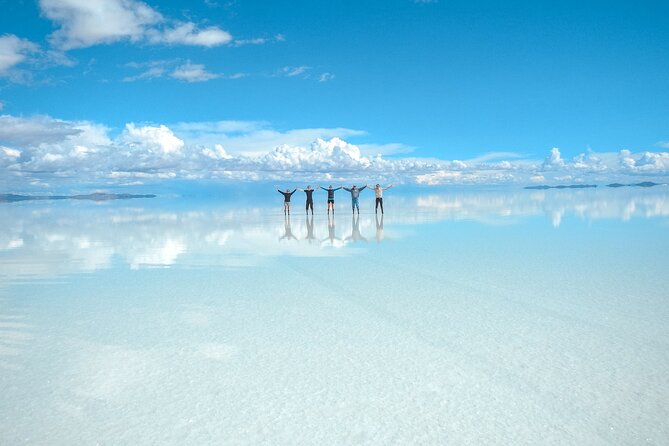
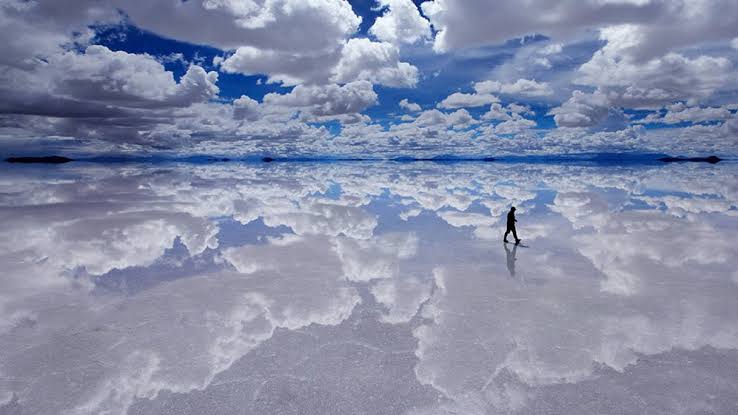
During the dry season, the surface forms striking geometric salt patterns that stretch as far as the eye can see. During the rainy season, a thin layer of water can cover the salt flat, transforming it into a giant natural mirror.
The salt flat was formed from ancient lakes that dried up thousands of years ago, leaving behind deposits of salt and minerals. Over time, these deposits created the vast white salt crust that defines the landscape today.
Where Is the Uyuni Salt Flat?
The Uyuni Salt Flat is located in the department of Potosí in southwestern Bolivia, near the Andes Mountains. The town of Uyuni is the main starting point for most tours to the salt flat.
The area sits at more than 3,600 meters (about 11,800 feet) above sea level, so travelers should take the altitude into consideration when planning their visit.
Interesting Facts About the Uyuni Salt Flat
The Uyuni Salt Flat is one of the flattest places on Earth and has been used for satellite calibration. It also contains significant lithium resources. During the rainy season, its surface creates the famous mirror effect, while islands within the salt flat are home to enormous cacti, some of which are hundreds of years old.
Best Time to Visit the Uyuni Salt Flat
Dry Season: May to October
During the dry season, the salt flat becomes a firm, seemingly endless white desert covered with distinctive polygon-shaped salt patterns. This is generally the best time for traveling longer distances across the salt flat, visiting Isla Incahuasi, and taking the classic perspective photos Uyuni is famous for.
Rainy Season: December to March
During the rainy season, a thin layer of water can cover the salt flat and reflect the sky, creating the spectacular mirror effect seen in many iconic photos of Uyuni.
However, heavy rainfall can make some areas inaccessible, and visits to Isla Incahuasi may not always be possible.
If your priority is exploring as much of the salt flat as possible, the dry season is usually the better choice. If you want to experience the famous mirror effect, visit during the rainy season. The transition months may occasionally offer a combination of both conditions.
Weather and Climate
Because of its elevation of more than 3,600 meters above sea level, the Uyuni area can be cold throughout much of the year. Days may be sunny and relatively mild, but temperatures can drop significantly at night, especially during the dry season.
UV radiation is also very strong at this altitude, and the white salt surface reflects sunlight intensely, so proper sun protection is essential.
How to Get to Uyuni
From La Paz
- By plane: The fastest option. Direct flights take approximately one hour.
- By bus: Usually the most affordable option. The journey takes approximately 9 to 12 hours, and many buses travel overnight.
- By train and bus: A slower alternative for travelers who prefer an overland journey.
Buses to Uyuni are also available from cities such as Potosí, Sucre, and Oruro. Many travelers include the Uyuni Salt Flat as part of a longer trip through Bolivia.
Top Things to See at the Uyuni Salt Flat
Isla Incahuasi
Isla Incahuasi is a rocky island rising from the middle of the salt flat and covered with enormous cacti. From its higher viewpoints, visitors can enjoy panoramic views of the seemingly endless white landscape. It is one of the most photographed places in Uyuni.
Ojos del Salar
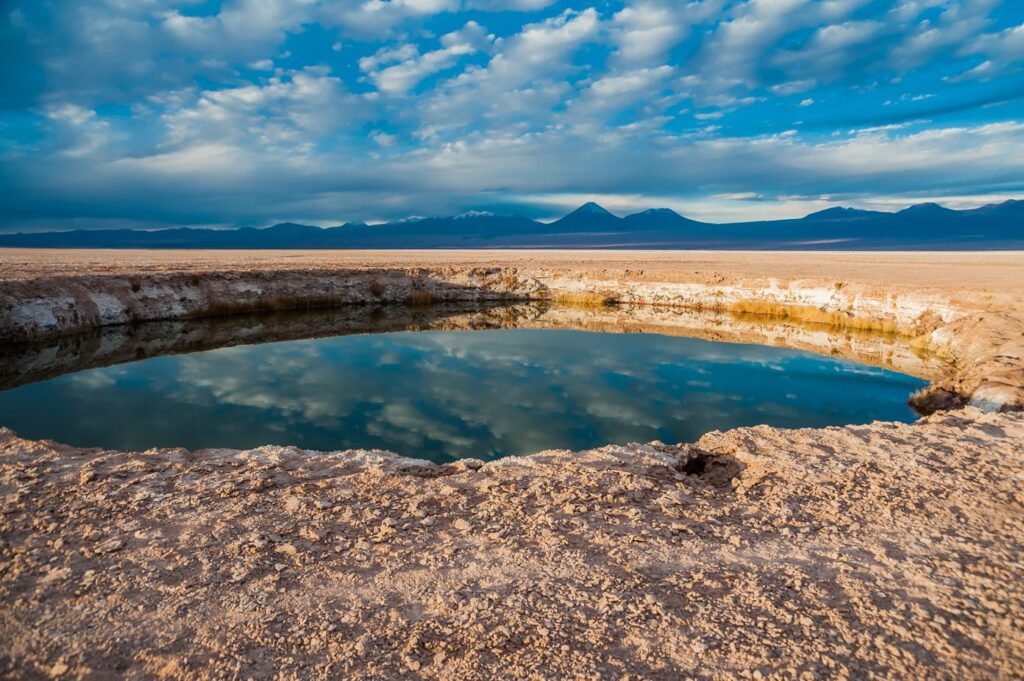
The Ojos del Salar are natural openings in the salt crust where underground water rises toward the surface. Visitors should observe them carefully and follow their guide’s instructions rather than attempting to enter them.
Salt Mounds
In areas where salt is traditionally collected, you may see rows of small salt mounds prepared by local workers. With mountains in the distance, they create one of the region’s most recognizable landscapes.
Train Cemetery
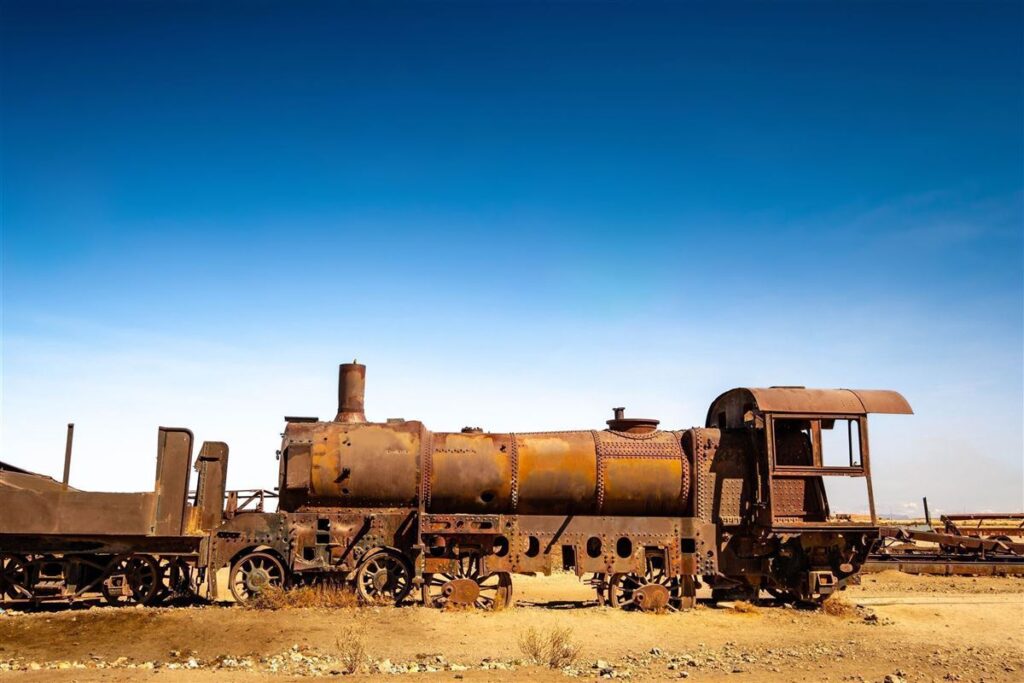
Located just outside the town of Uyuni, the Train Cemetery is filled with old, rusting locomotives and railway cars that have been abandoned for decades. Most one-day tours stop here near the beginning of the trip, and it has become one of the area’s most popular photography spots.
Perspective Photos
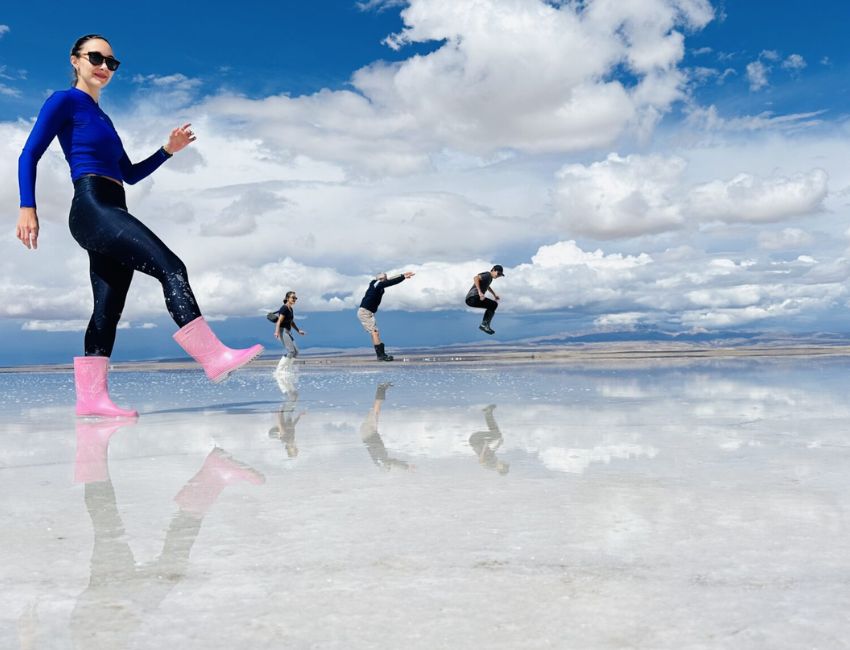
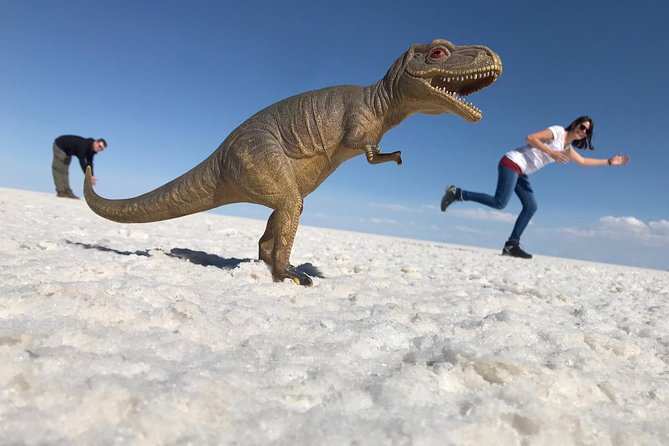
The salt flat’s enormous, flat landscape creates the perfect setting for forced-perspective photography. Travelers can play with distance and proportions to create fun and surreal-looking photos. Most tours allow time specifically for taking these pictures.
Types of Uyuni Salt Flat Tours
The most common way to explore the salt flat is on a guided tour from the town of Uyuni.
One-Day Uyuni Salt Flat Tour
A classic one-day tour typically includes the Train Cemetery, salt-processing areas, the open salt flat for perspective photos, Isla Incahuasi when conditions allow, and a sunset experience.
This option is ideal for travelers with limited time who want to experience the main highlights of the Uyuni Salt Flat.
Multi-Day Tours
Travelers with more time can choose multi-day tours that continue beyond the Uyuni Salt Flat into the dramatic landscapes of southwestern Bolivia.
If you’re traveling through Peru and Bolivia and prefer to have your itinerary arranged in advance, VMP Experiences offers Peru and Bolivia tours that include the Uyuni Salt Flats alongside other destinations in the region.
Where to Stay in Uyuni
The town of Uyuni offers hotels and hostels for a variety of budgets. It is the most convenient base for travelers taking a one-day tour of the salt flat.
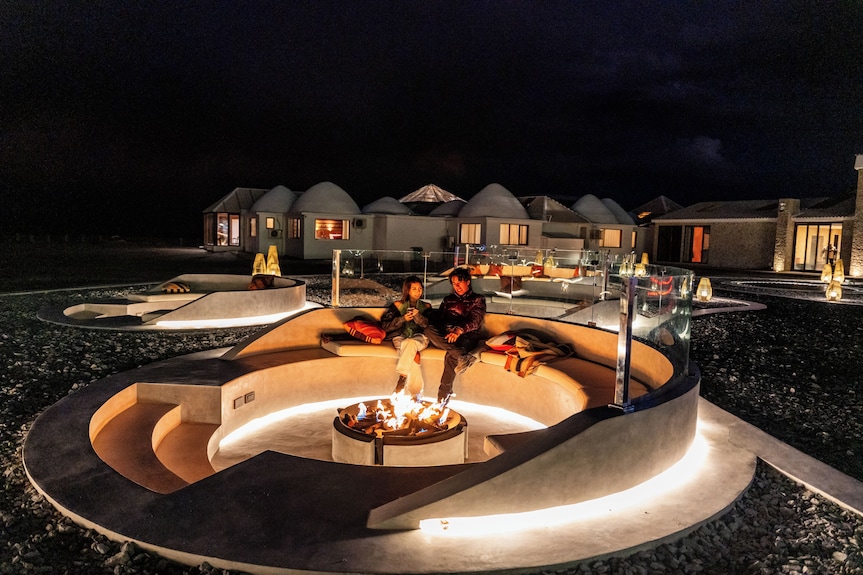
You can also find unique hotels near the salt flat built largely with blocks of salt, including walls and furniture. Staying in one of these properties can be a memorable part of the Uyuni experience.
Multi-day tours may include overnight stays in simple accommodations in remote areas of southwestern Bolivia. Facilities can be basic, but these stays are part of the adventure and allow travelers to explore destinations far from major towns.
What to Pack for the Uyuni Salt Flat
- Warm clothing, especially for the evening
- Layers that can be added or removed throughout the day
- Sunscreen
- Good-quality sunglasses
- A hat or cap
- Comfortable, closed-toe shoes
- A camera or smartphone with extra battery power
- Water and snacks
- Travel documents
- Cash, since ATMs and card payments may not always be available
Travel Tips for Visiting the Uyuni Salt Flat
Altitude and Altitude Sickness
The Uyuni Salt Flat sits at more than 3,600 meters (about 11,800 feet) above sea level, so some travelers may experience symptoms of altitude sickness.
It is a good idea to spend some time acclimatizing before your visit, stay well hydrated, eat light meals, and avoid excessive alcohol, especially during your first days at high altitude.
Photography Tips
For the classic perspective photos, bring a small object such as a toy, bottle, or cup. The flat landscape makes it easy to create playful optical illusions by changing the distance between people and objects.
Health and Safety
Protect yourself from the sun because the white salt surface reflects UV radiation intensely. Stay hydrated, follow your guide’s instructions, and avoid wandering away from your group.
During the rainy season, some parts of the salt flat may become inaccessible due to water levels and changing conditions.
Frequently Asked Questions About the Uyuni Salt Flat
What Is the Best Time to Visit the Uyuni Salt Flat?
Visit during the dry season, generally from May to October, if you want to experience the vast white landscape and explore more areas of the salt flat. Visit during the rainy season, generally from December to March, if seeing the famous mirror effect is your priority.
How Many Days Do You Need in Uyuni?
A one-day tour allows you to see many of the main attractions of the Uyuni Salt Flat. If you have more time, multi-day tours allow you to explore additional landscapes in southwestern Bolivia.
Is Altitude Sickness a Problem in Uyuni?
It can affect some travelers because Uyuni is located more than 3,600 meters above sea level. Taking time to acclimatize, staying hydrated, getting enough rest, and eating light meals can help reduce discomfort.
Can You Visit the Uyuni Salt Flat During the Rainy Season?
Yes. The rainy season is when you have the best chance of seeing the spectacular mirror effect. However, some areas may become inaccessible, and visits to Isla Incahuasi may be restricted depending on conditions.
How Do You Get to Uyuni From La Paz?
You can travel from La Paz to Uyuni by plane, overnight bus, or a combination of overland transportation. Flying is the fastest option, while traveling by bus is usually the most economical.