Argentina stretches more than 3,500 km from the subtropical north to the edge of Antarctica, so the right time to visit depends on where you want to go. While you are enjoying warm evenings in Buenos Aires, Patagonia may be windy and cool, and the high northwest may be dry and cold at night.
Because Argentina is in the Southern Hemisphere, its seasons are the opposite of those in North America and Europe. This guide explains what to expect in each region and how to plan a route that works for your dates.
Argentina’s seasons at a glance
| Season | Months | What to expect |
|---|---|---|
| Summer | December to February | Peak season in Patagonia, hot and humid in Buenos Aires and Iguazú |
| Autumn | March to May | Mild weather, wine harvest and fall colors in the south |
| Winter | June to August | Ski season in the Andes, dry and clear in the northwest |
| Spring | September to November | Pleasant cities, whale watching and flowering jacarandas |
If you want one period that works for most regions, choose spring or autumn. You get comfortable temperatures in the cities and the north, and the start or end of the season in Patagonia.
A country of many climates
The north has a subtropical climate, with hot summers and a rainy season. The center, including Buenos Aires, has four clear seasons. The south is cold for much of the year, with strong winds and long summer days. Along the Andes, altitude adds its own effect: the higher you go, the colder the nights, even in summer.
Where to go through the year
Buenos Aires
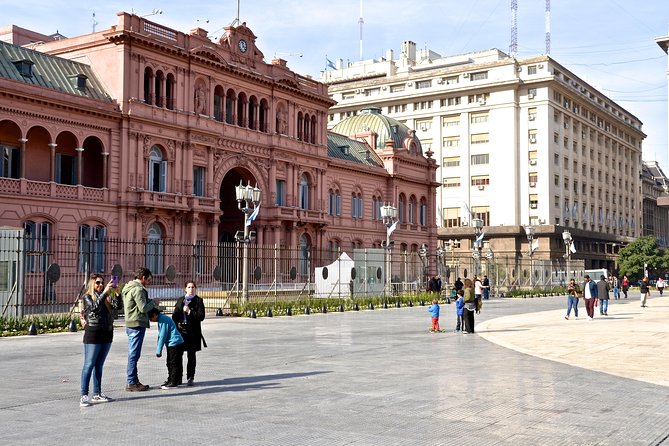
Spring, from September to November, and autumn, from March to May, are the most pleasant months to explore the city on foot. In late October and November, jacaranda trees cover many streets in purple flowers.
Summer is hot and humid, and many locals leave the city in January, so some restaurants close for holidays. Winter is cool but rarely freezing, and it is a good season for theaters, cafés and tango shows.
Iguazú Falls
Iguazú is warm and humid all year, with rain in every season. March to May and August to November offer more comfortable temperatures. Summer is very hot, and January, Holy Week and the July school holidays bring the largest crowds. Go early in the morning to enjoy the walkways with fewer people.
Southern Patagonia
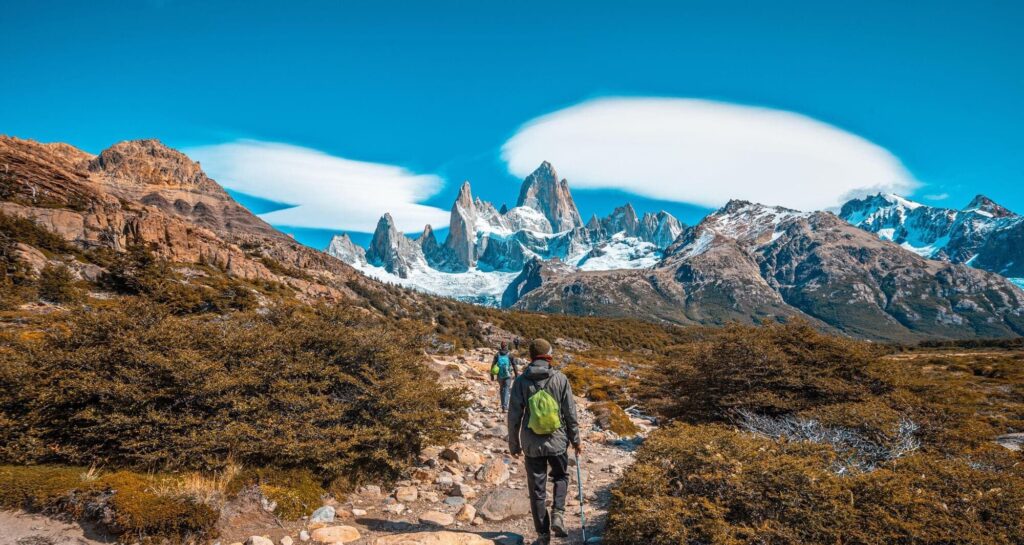
El Calafate, El Chaltén and Ushuaia have their main season from November to March, with long days and most services open. October and April are quieter, and April adds autumn colors to the forests. In winter, many hotels and tours in El Chaltén close, while El Calafate stays open with fewer activities. If you are choosing between Argentine and Chilean Patagonia, our Torres del Paine vs El Calafate guide compares both.
Bariloche and the Lake District
This region has two high seasons. From December to March, you can hike, kayak and swim in the lakes. From late June to September, the ski resorts around Bariloche open, with Cerro Catedral as the best known. April and May bring golden forests and fewer visitors.
Mendoza
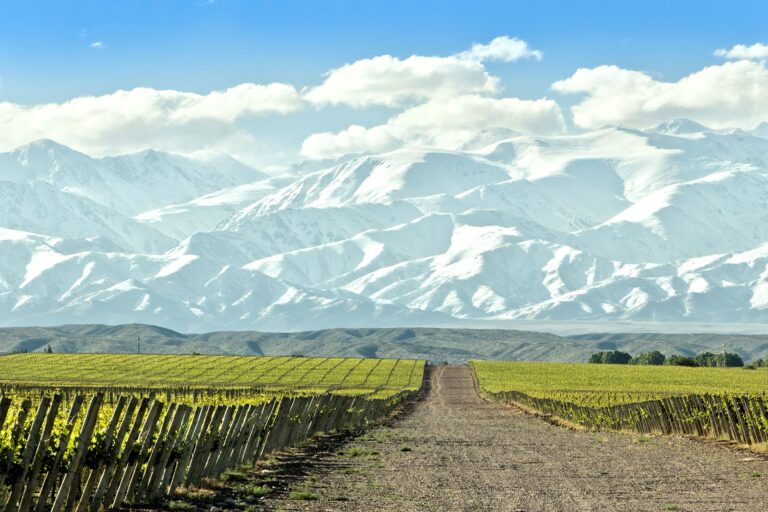
Mendoza is sunny and dry most of the year. The grape harvest, from February to April, is the most festive time for wine lovers. Our guide to Mendoza wine country covers its valleys and wineries in detail.
Salta and Jujuy
The northwest, with the Quebrada de Humahuaca, Purmamarca and the Salinas Grandes, is best from April to November, during the dry season. Days are sunny, but nights are cold, especially above 3,000 m a.s.l. From December to March, summer rain can cause landslides that close mountain roads for a few hours or days.
Iberá Wetlands
The Esteros del Iberá, in Corrientes, are home to capybaras, caimans, marsh deer and hundreds of bird species. Autumn, winter and spring offer milder temperatures for boat trips and walks. Summer is very hot, and wildlife is less active during the middle of the day.
Wildlife calendar on the Atlantic coast
Península Valdés, near Puerto Madryn, is one of the best places in South America to see marine wildlife. Plan your visit around these seasons:
- Southern right whales: from around June to December, with the best sightings in September and October
- Magellanic penguins: from around September to April at Punta Tombo, south of Puerto Madryn
- Orcas: most often seen in March and April at Punta Norte, when they hunt near the shore
October is a good month to combine whales and penguins on the same trip.
Seasonal events worth the trip
- Carnival (February or March): celebrated with music and dance in the Quebrada de Humahuaca and with parades in Gualeguaychú
- Fiesta Nacional de la Vendimia (late February to early March): Mendoza’s harvest festival, with parades and a large final show
- Tango festival (August): Buenos Aires hosts its tango festival and championship, with free classes and performances
- Oktoberfest (October): held in Villa General Belgrano, a town in Córdoba founded by German immigrants
Event dates change each year, so confirm them before you book.
School holidays and busy dates
Argentines travel a lot within their own country, which raises prices and fills hotels on these dates:
- January: the main summer holiday, especially busy on the Atlantic coast and in Patagonia
- Holy Week: in March or April
- July: two weeks of winter school holidays, with dates that vary by province, busy in Bariloche, Iguazú and the northwest
- Long weekends: several public holidays create three or four day weekends throughout the year
Combining regions in one trip
November, March or early April are the most flexible months for a route that includes Buenos Aires, Iguazú and Patagonia. Temperatures are comfortable in the north and the southern season is open, with fewer visitors than in January.
This is the combination included in our 17-day South America tour, which connects El Calafate, Buenos Aires and Iguazú with Chile, Brazil and Peru.
April to October works better if your route focuses on the northwest and Iguazú, and you can add Bariloche for skiing in July and August.
Common questions about Argentina’s seasons
Can you visit Patagonia in winter?
Yes, but with limits. The Perito Moreno Glacier and Ushuaia can be visited, while many trails, hotels and tours in El Chaltén close. Days are short and cold.
Is January a good month to visit Argentina?
It is excellent for Patagonia, but it is also the busiest and most expensive month. Buenos Aires and Iguazú are very hot, so plan outdoor visits early in the day.
Do you need different clothes for the north and the south?
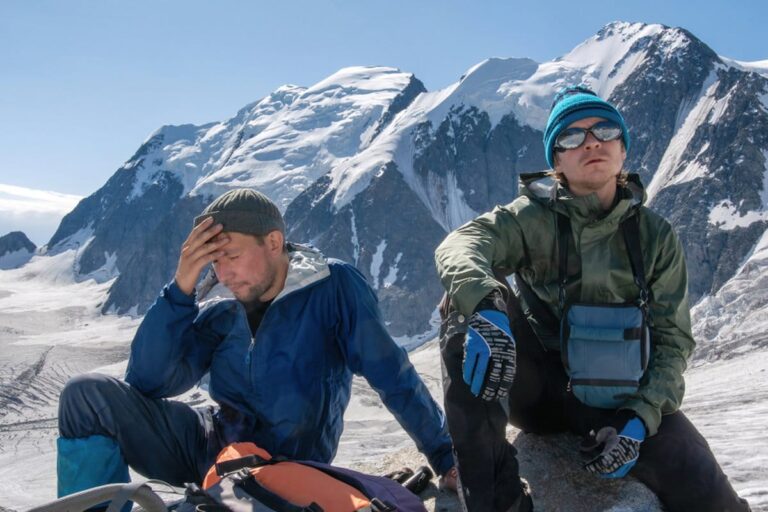
Yes. Bring light, breathable clothes for Iguazú and Buenos Aires in summer, and warm layers, a windproof jacket, a hat and gloves for Patagonia and the high northwest.
Is Argentina cheaper outside the high season?
Usually. Hotels and tours in Patagonia cost less in October and April, and in the cities prices are lower outside January, Holy Week and July.
Choose your Argentina dates with MVP Experiences
From the waterfalls of Iguazú to the glaciers of the south, Argentina offers something in every season. The team at MVP Experiences can help you match your travel dates with the regions that are at their best, so your route works from the first day to the last.