Few things worry travelers more than falling ill far from home. Beyond the fear of losing precious vacation days, there’s the unsettling feeling of being unwell in an unfamiliar place. If Cusco is on your itinerary, you’ve probably heard about altitude sickness, known locally as soroche, a set of symptoms that affects many visitors arriving in the high mountains of Peru. The good news is simple: once you understand it and prepare a little, there’s very little to fear. Our local team at MVP Experiences put together this practical guide to help you arrive ready and enjoy every moment of your trip.
What is altitude sickness?
Altitude sickness happens when your body takes in less oxygen than it’s used to. As you climb higher, the air thins and there’s less oxygen available with each breath. If you come from a city near sea level, your body is accustomed to oxygen-rich air, so arriving somewhere as high as Cusco, at around 11,150 f.a.s.l., can leave you feeling the difference right away. That shortfall of oxygen is what triggers the cluster of symptoms travelers call soroche.
Most people notice these effects during their first twelve hours in the city, and the discomfort usually fades within a day or two as the body adjusts. It’s a normal, temporary response, not a sign that something has gone wrong.
Common symptoms to watch for
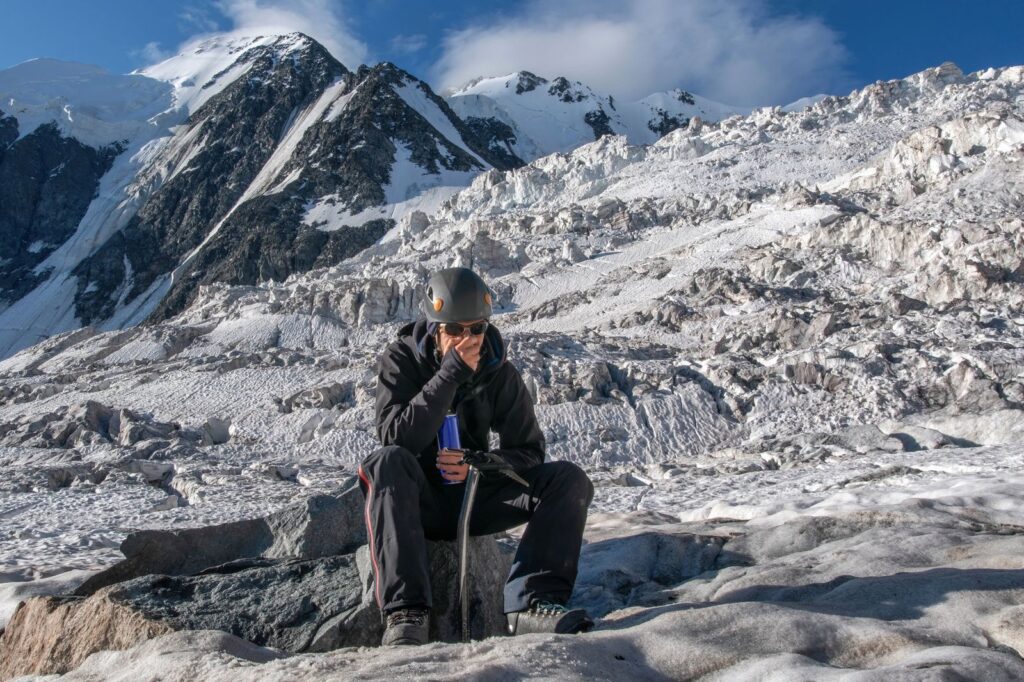
Symptoms can appear within a few hours of landing. The most common ones include shortness of breath, a faster heartbeat, dizziness, fatigue, headaches, nausea or vomiting, loss of appetite, and trouble sleeping. In most cases they’re mild and pass on their own. If they persist or start getting worse, reach out to your MVP Experiences agent, who can help you arrange a doctor’s visit quickly.
Prepare before you travel
A little planning ahead of time makes a big difference. Before your trip, consider a medical check-up, especially if you have heart conditions or live at sea level. In some cases a doctor may prescribe medication for altitude, and if so, bring enough to cover your whole trip so you can travel without worry.
We also recommend building in time to acclimatize. Some travelers skip a first night in Cusco altogether and head straight to the Sacred Valley, which sits lower at around 9,500 f.a.s.l., to ease the transition. After a couple of days adjusting, you’ll be ready to explore the ancient Inca capital comfortably. Planning your itinerary so the highest, most demanding excursions come later, rather than on day one, is one of the smartest moves you can make.

Tips to ease the symptoms
Even with acclimatization or medication, mild symptoms can still show up. These simple habits will help you shake them off and make the most of your days in Cusco:
- Take it easy at first. Avoid strenuous activity during your first days. Demanding trips like Rainbow Mountain or Humantay Lake are best saved for later in your stay, once you’ve adjusted.
- Eat light. Your digestion slows at altitude, so favor lighter, low-fat meals early on. That hearty alpaca steak will taste even better once you’ve settled in.
- Stay hydrated. The body loses water faster up high, so keep a bottle with you and drink often, even when you don’t feel thirsty.
- Consider soroche pills. These are sold without a prescription in most Cusco pharmacies, but check with your doctor before your trip before taking anything new.
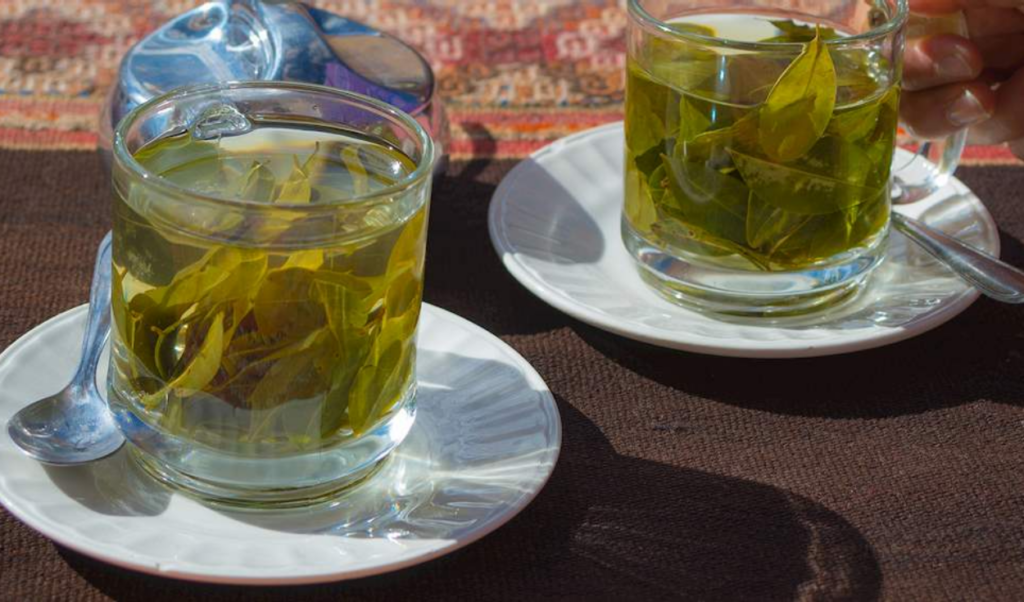
- Drink coca tea. Welcoming visitors with a cup of coca tea is a long-standing tradition here. It’s safe to drink, and a few cups a day can help take the edge off the symptoms.
- Skip alcohol at first. This one starts the night before your flight. A hangover only makes soroche worse. Once you’ve acclimatized, you’re more than welcome to enjoy a proper Pisco Sour.
- Rest well. A good night’s sleep helps your body adapt, so don’t overpack your first day and give yourself room to recover.
A little extra: what to pack for the altitude
A small kit goes a long way. Bring any prescribed altitude medication, a refillable water bottle, lip balm and sunscreen for the strong high-elevation sun, and layers for the cool evenings. Having these on hand from the moment you land means you can focus on the experience instead of scrambling for supplies.
Travel with peace of mind
Facing the altitude can feel intimidating, especially coming from a sea-level city, but with the right preparation and a reliable travel partner, there’s nothing to be afraid of. When you travel with MVP Experiences, our team stays in touch throughout your trip, so the only thing on your mind is enjoying Cusco to the fullest.
Frequently asked questions
How long does altitude sickness last in Cusco?
For most travelers, symptoms appear within the first twelve hours and ease over one to two days as the body adjusts. If they linger or worsen, contact your agent to arrange medical support.
How can I avoid altitude sickness before arriving?
Build in time to acclimatize, consider starting in the lower Sacred Valley, get a medical check-up if you have heart issues or live at sea level, and schedule demanding excursions for later in your trip.
Is coca tea safe for altitude?
Yes. It’s a local tradition offered to arriving visitors, safe to drink, and a few cups a day can help relieve mild symptoms.
Should I take medication for soroche?
You can. Soroche pills are available without a prescription in Cusco pharmacies, but check with your doctor before your trip before taking anything new, especially if you have existing conditions.