The Galápagos are a volcanic archipelago in the middle of the Pacific where animals do not flee from humans, the species are unique, and each island has a different landscape. Visiting them is like stepping into a natural laboratory that inspired the theory of evolution and remains one of the best-preserved places on the planet. Here is everything you need to plan your trip: what to see, what to do, when to go, how to get there, and how to organize your visit.
Why Visit the Galápagos
A Natural Sanctuary
Almost the entire archipelago is protected as a national park. This has allowed its ecosystems to remain practically untouched. Volcanic landscapes, white-sand beaches, turquoise waters, and biodiversity found nowhere else in the world make it a destination for travelers looking for nature in its purest form and direct contact with wildlife.
Wildlife Found Only Here
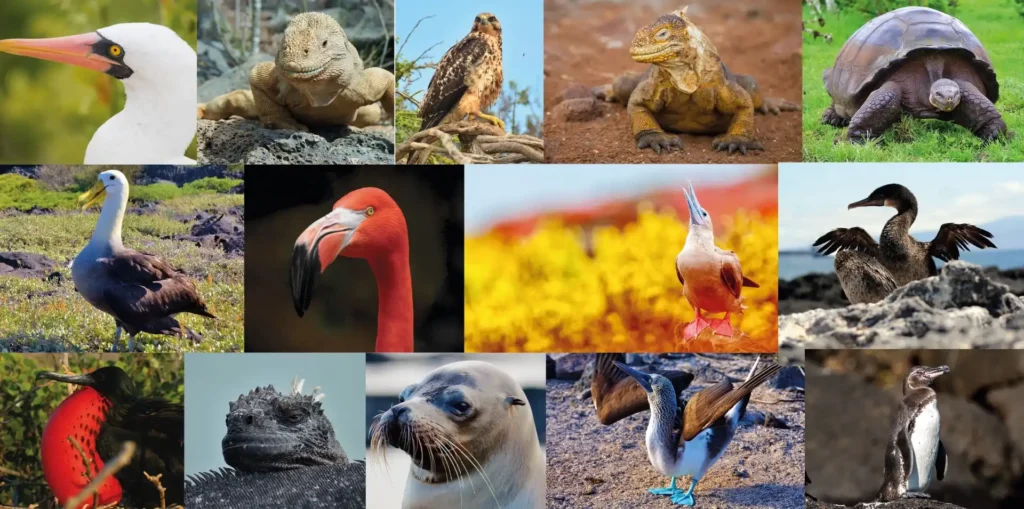
Many species are endemic. Giant tortoises, marine iguanas, blue-footed boobies, and sea lions are part of everyday life. With few natural predators, the animals are not afraid of people, allowing visitors to observe them up close in a way that would be impossible in many other places.
Where Are the Galápagos Islands?
Location and Formation
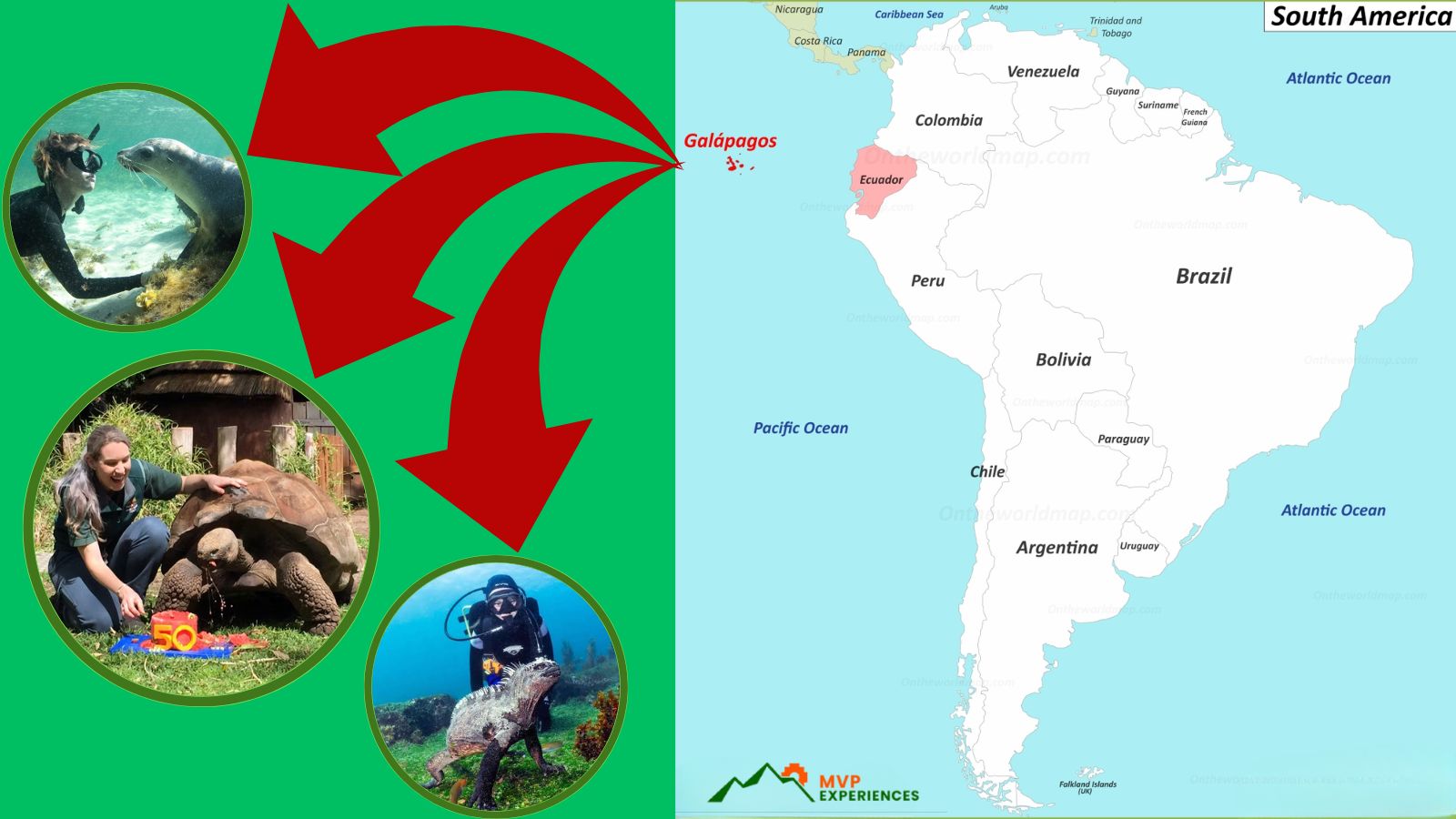
The islands belong to Ecuador and are located in the Pacific Ocean, about 1,000 km from the mainland coast. They were formed by volcanic activity over millions of years, which explains their lava landscapes, craters, and rocky terrain. Their isolation also explains why life evolved in such a distinctive way.
The Main Islands
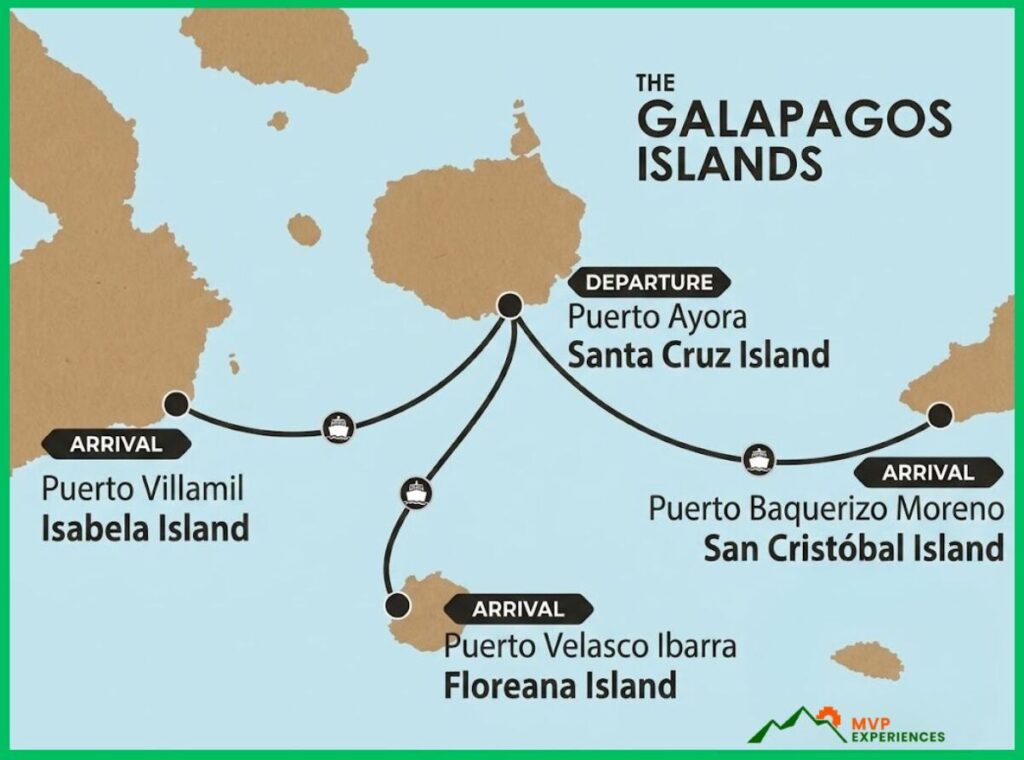
There are more than a dozen islands, but only some are inhabited and open to tourism. The most visited are Santa Cruz, San Cristóbal, Isabela, and Floreana. Each has its own character, attractions, and wildlife. Most trips are organized around these four islands, either with land-based accommodations or on a cruise.
Things to Do
Snorkeling and Diving
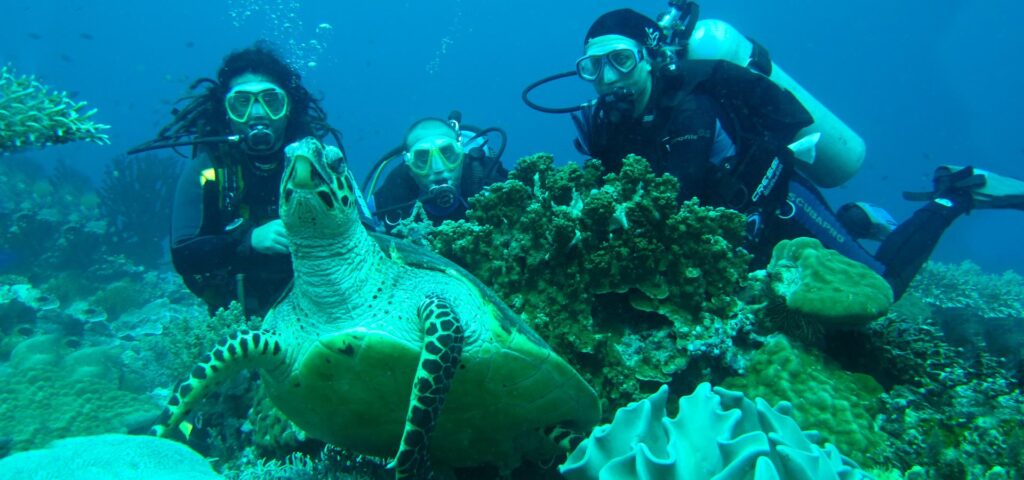
The underwater world is just as impressive as what you see on land. You can swim alongside sea turtles, sea lions, rays, harmless sharks, and schools of fish. Many snorkeling spots are suitable for beginners. Sharing the water with this wildlife is one of the most memorable experiences in the Galápagos.
Beaches and Bays
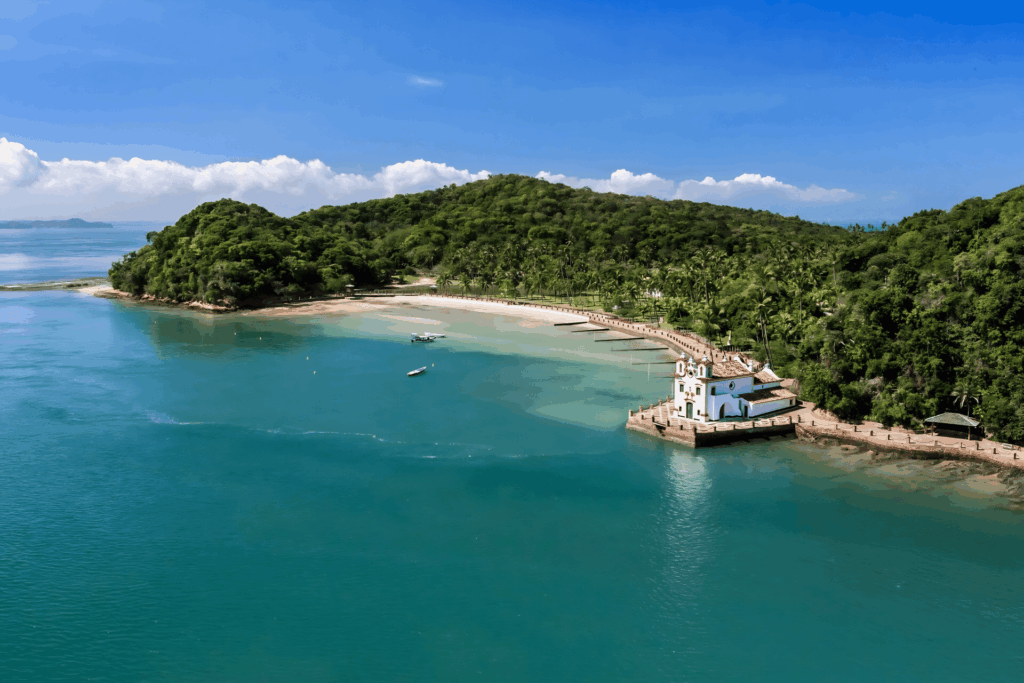
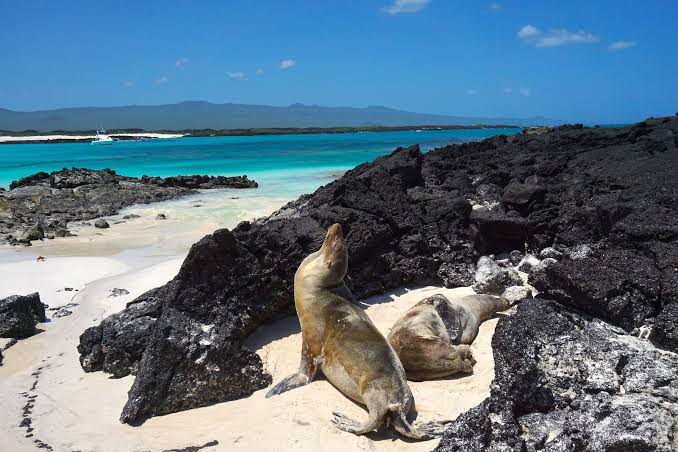
There are beautiful beaches throughout the islands, many of them almost untouched. White sand, clear water, and wildlife are almost always part of the scenery. Some beaches are ideal for relaxing, while others are perfect for swimming or snorkeling. Sharing the shoreline with sea lions or iguanas is completely normal here.
Observe Land Wildlife
Walking around the islands gives you constant opportunities to see wildlife. Marked trails lead to areas with giant tortoises, bird colonies, and iguanas. Visits are always made with a certified guide, both to protect the environment and to help visitors better understand the ecosystem.
Conservation Centers
Places such as the Charles Darwin Research Station on Santa Cruz allow visitors to see conservation and breeding work up close, especially programs involving giant tortoises. These centers help explain the effort required to protect the islands and their wildlife.
The Islands and What They Offer
Santa Cruz
The most visited island and one of the main entry points. Puerto Ayora is located here and offers the largest selection of hotels, restaurants, and travel agencies. It is also home to the Charles Darwin Research Station and is the starting point for many excursions. It is the best base if you choose a land-based trip.
San Cristóbal
Quieter and known for its large colonies of sea lions resting on beaches and docks. It has its own airport, making it another gateway to the islands. It is ideal if you are looking for a more relaxed atmosphere.
Isabela
The largest island and one of the most spectacular. Formed by several volcanoes, it has lagoons with flamingos, volcanic hiking trails, and excellent snorkeling spots. The atmosphere is more natural and peaceful.
Floreana
One of the islands with the most history and the fewest residents. It is famous for stories about its early settlers and its unusual traditional “post office.” It also offers excellent snorkeling and wildlife viewing. Its remote character makes it especially unique.
Wildlife
Giant Tortoises
The symbol of the archipelago. They can live for more than one hundred years and grow to an impressive size. Seeing them in the wild in the highlands of Santa Cruz or Isabela is one of the most memorable sights of the trip. Conservation centers have played a key role in recovering several subspecies.
Marine and Land Iguanas
The world’s only marine iguanas live here. They swim and feed in the ocean. Land iguanas are more yellowish in color. Both can easily be seen along the coast and on trails, often resting motionless in the sun.
Sea Lions and Birds
Sea lions are everywhere: on beaches, docks, and rocks. Among the most notable birds are blue-footed boobies, albatrosses, and magnificent frigatebirds with their bright red throat pouches. Each island offers different wildlife-viewing opportunities.
Marine Life
Sea turtles, rays, reef sharks, penguins the only ones found this far north and a wide variety of fish can all be seen here. This is why the archipelago is considered one of the world’s best destinations for snorkeling and diving.
When to Visit
Dry and Warm Seasons
The Galápagos can be visited year-round. The dry season, from June to December, brings cooler water, more marine activity, and cooler weather. The warm season, from January to May, offers warmer water, clearer skies, and calmer seas. Neither season is necessarily better; it depends on what you are looking for.
Depending on What You Want to See
If snorkeling and diving with plenty of marine activity are your priorities, the dry season works very well. If you prefer warmer water, beach time, and species during nesting season, the warm season may be a better choice. Wildlife is present year-round; only certain details change with the seasons.
How to Get There
Flights
The only way to reach the islands is by plane from Quito or Guayaquil. Flights arrive at Baltra, near Santa Cruz, or San Cristóbal. It is common to spend at least one night on the mainland before flying to the islands because of flight schedules and entry procedures.
Entry Requirements
There are two mandatory fees: the Transit Control Card (USD 20 per person, purchased at the mainland airport) and the Galápagos National Park entrance fee (USD 200 for foreign adults and USD 100 for children under 12, paid in cash upon arrival). Only bills in good condition are accepted. It is a good idea to confirm current fees before traveling.
Types of Trips
Cruises
The classic way to explore the Galápagos. You sleep on board and sail at night so you can wake up at a different island, including more remote locations. It is the most complete option for seeing more islands and wildlife, ideal if you want an immersive experience without worrying about daily logistics.
Land-Based Trips
Stay on one island, usually Santa Cruz or San Cristóbal, and take daily excursions. This option is more affordable and flexible, allows you to explore the towns, and lets you sleep on land. It is a good choice if you prefer to set your own pace.
Practical Travel Tips
What to Pack
- Lightweight clothing and a warm layer for evenings and breezy conditions
- Swimsuit and quick-drying towel
- Biodegradable sunscreen, sunglasses, and a hat
- Comfortable shoes and sandals or water shoes
- Your own snorkeling gear if you prefer (rentals are also available)
- Waterproof camera protection and extra batteries
- Cash in U.S. dollars for fees and expenses

Conservation Rules
Keep your distance from animals, do not touch or feed them, do not remove anything from the islands, do not leave trash behind, and always follow your guide’s instructions. In many areas, visitors are only allowed to walk with a certified guide. These rules are what help preserve the islands.
Budget
This is a destination that requires a significant budget. In addition to flights, you need to consider fees, accommodations, excursions, and meals. Cruises are usually more expensive, while land-based trips allow you to manage costs more easily. Planning ahead can help you find better prices.
How Many Days Do You Need?
Between 4 and 8 days is recommended. With 4 or 5 days, you can explore one or two islands and see the main highlights. With 7 or 8 days, whether on a cruise or staying on land, you can have a more complete experience. Keep in mind that arrival and departure days are largely taken up by flights.
If you want to include the Galápagos as part of a longer itinerary, you can do so with this 12-day Ecuador tour that begins in the country and includes a fully organized itinerary.
Frequently Asked Questions
How Much Does It Cost to Enter?
The National Park entrance fee is USD 200 for foreign adults and USD 100 for children under 12, plus the USD 20 Transit Control Card. Both are paid in cash. Confirm current fees before traveling.
How Do You Get There?
Only by plane from Quito or Guayaquil, flying into Baltra or San Cristóbal airports. There is no regular tourist arrival by sea.
What Is the Best Time to Visit?
You can visit year-round. Dry season (June-December): cooler water and plenty of marine activity. Warm season (January-May): warmer water and pleasant weather. Wildlife is present throughout the year.
How Many Days Do You Need?
Between 4 and 8 days. With 4-5 days, you can see the essentials of one or two islands; with 7-8 days, the experience is more complete.
Cruise or Land-Based Trip?
It depends on your travel style. A cruise allows you to visit more islands and remote locations, but it is more expensive. A land-based trip is more affordable and flexible and gives you time to explore the local towns. Both offer excellent opportunities to encounter wildlife.