Cusco’s food tells the story of the Andes. Many dishes use ingredients the Incas grew centuries ago, like native potatoes, corn and quinoa, combined with pork, cheese and techniques brought by the Spanish. Beyond the restaurants around the main square, the best flavors are in family picanterías, weekend markets and small towns known for a single dish. This guide shows you what to order and where locals go to eat it.
What Makes Cusco’s Cuisine Different
Potatoes, corn and Andean grains
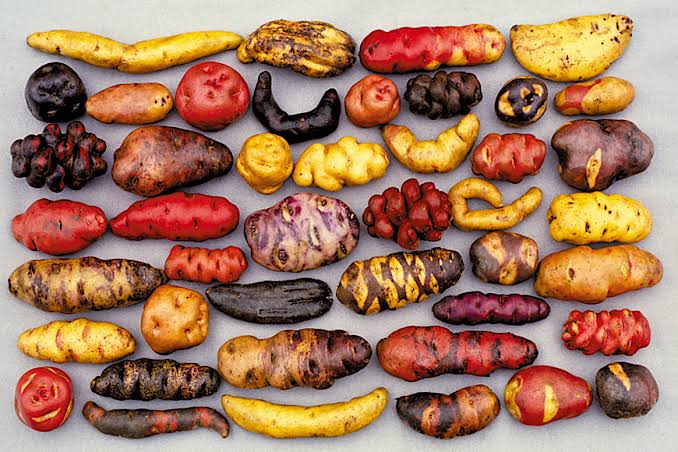
The Andes are home to thousands of potato varieties, and in Cusco you will find them boiled, dried, stuffed and turned into stews. Chuño, a freeze-dried potato made by leaving tubers out in the frost, has been used for centuries to store food through the dry months. Giant white corn from the Sacred Valley, known as choclo, appears in almost every meal, and quinoa and kiwicha are common in soups and breakfasts.
Herbs you will taste everywhere
Huacatay, a black mint with a strong aroma, flavors sauces and cheese dishes. Muña, a wild Andean mint, is used in teas and soups and is known locally for easing digestion. Rocoto and ají amarillo peppers add heat and color to many plates.
Signature Dishes to Look For
Chiriuchu
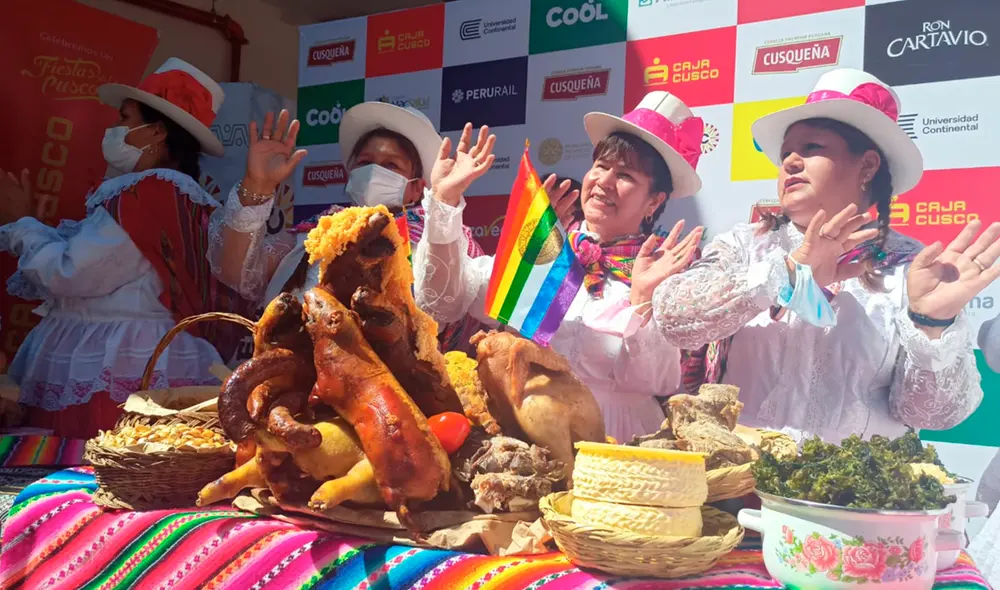
Chiriuchu, meaning “cold dish” in Quechua, is Cusco’s most traditional festive plate. It combines roasted guinea pig, chicken, dried meat, sausage, cheese, a corn tortilla, seaweed and fish roe, all served at room temperature. It is eaten mainly during the Corpus Christi celebrations in June, when families prepare it in large quantities.
Cuy al horno
Guinea pig, or cuy, has been part of the Andean diet for thousands of years. In Cusco it is usually stuffed with herbs and roasted whole in a wood-fired oven until the skin is crisp. It is served with potatoes and a stuffed rocoto pepper. The meat is lean and rich, similar to dark poultry, and eaten with your hands.
Chicharrón cusqueño
Cusco’s chicharrón is made from large pieces of pork cooked slowly in their own fat until golden. It is served with boiled corn, fried potatoes, mint and a fresh onion salad. Locals eat it for a late breakfast or lunch, especially on weekends.
Adobo cusqueño
Adobo is a pork stew marinated in chicha de jora, a fermented corn drink, with garlic, cumin and ají. It is cooked slowly and served in a deep bowl with bread for dipping. It is a Sunday morning tradition, often eaten after a long night out.
Kapchi
Kapchi is a simple and comforting dish of fresh cheese, milk and huacatay mixed into a creamy sauce, served over boiled potatoes, fava beans or mushrooms. It is one of the best vegetarian options in local cuisine.
Lechón and tamales
Roast suckling pig, or lechón, is sold on weekends at markets and street stalls, often inside a bread roll with sweet potato. Cusco’s tamales are made with corn dough filled with pork or cheese and wrapped in corn husks, and they sell out early in the morning.
Soups That Warm Up Andean Nights
Soups are central to Cusco’s diet, especially on cold evenings. Lawa is a thick soup made from corn or wheat flour, cheese and herbs. Chairo combines chuño, lamb or beef, vegetables and wheat. Quinoa soup, light and filling, is served almost everywhere and is ideal for your first days in the city. Many set lunches start with one of these soups.
Towns Around Cusco Known for One Dish
Saylla for chicharrón
Saylla, about 20 minutes from Cusco, is lined with restaurants dedicated almost entirely to chicharrón. On weekends, families fill the tables for a long lunch.
Tipón for roasted cuy
Tipón, beyond Saylla, is famous for its cuy al horno and is also home to an Inca archaeological site with water channels still flowing. Combining the ruins with a cuy lunch makes for a complete half day.
Oropesa for bread
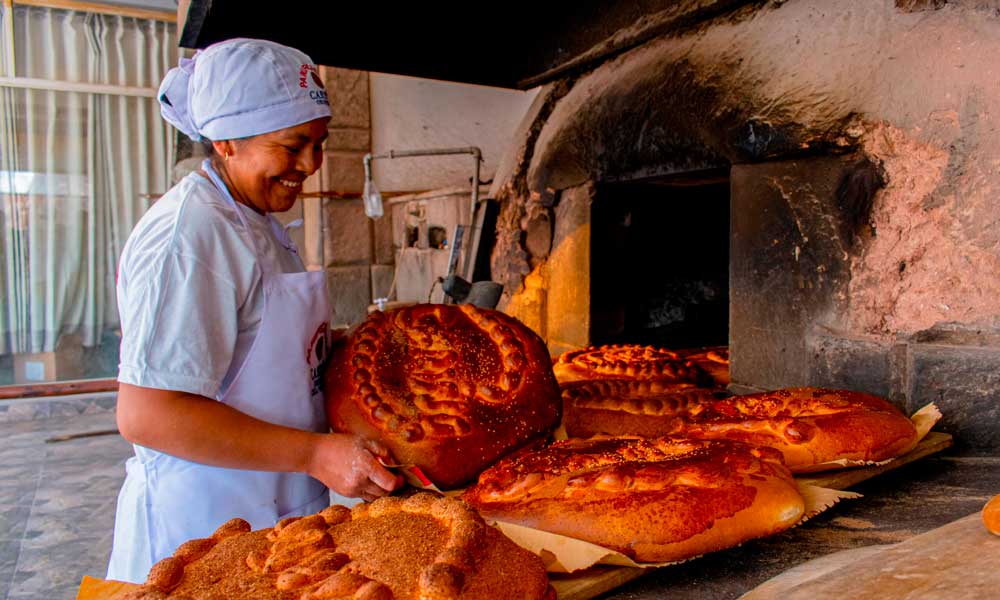
Oropesa is known as the bread capital of the region. Its large round loaves, called chuta, are baked in wood-fired ovens and sold along the road. Locals often buy several to take home.
Lucre for duck
Lucre, near the Huacarpay lagoon, is known for its duck dishes, especially a slow-cooked duck with rice. It is a quiet stop for travelers exploring the southern valley.
Getting there by taxi or colectivo
All four towns are on the road southeast of Cusco toward Urcos. Shared minivans leave from the city regularly, and a private taxi lets you visit several towns in one afternoon.
Chicha and Traditional Drinks
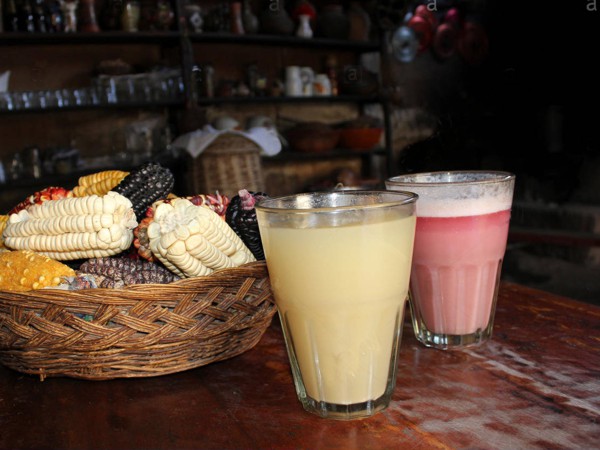
Chicha de jora is a mildly fermented drink made from sprouted corn and has been served in the Andes since pre-Inca times. Chicherías, the small places that brew and sell it, often hang a red flag or plastic bag on a pole outside to show a new batch is ready. Frutillada is a sweeter version mixed with strawberries. Non-alcoholic chicha morada, made from purple corn with fruit and cinnamon, is served in almost every restaurant.
Street Snacks and Market Breakfasts
Mornings in Cusco start with api, a warm purple corn drink served with a fried pastry. In the evening, stalls sell emoliente, a hot herbal drink with flax and barley. Choclo con queso, giant corn with a slice of fresh cheese, is a simple snack you will find at markets and along the Sacred Valley road.
Picanterías vs Novoandina Restaurants
Picanterías are traditional eateries serving large portions of regional dishes at shared tables, often only at lunchtime. Novoandina restaurants reinterpret the same ingredients with modern techniques and refined presentation, and they are concentrated around the historic center and San Blas. Trying both gives you a clear sense of how Andean cooking is evolving. If your trip includes the coast, you can compare these flavors with our guide to where to eat in Lima.
Eating Light During Your First Days
Heavy dishes like chicharrón or adobo are best saved for your second or third day in Cusco, once your body has adjusted to the altitude. Start with soups, grilled trout and quinoa, and drink muña or coca tea after meals.
Tasting Cusco as Part of a Longer Trip
Food is one of the easiest ways to connect with local culture between visits to ruins and museums. A lunch in Saylla or Tipón fits well on the way back from the southern valley, and a cooking class in Cusco is a good option for a slow afternoon. If you want time for these experiences within a structured itinerary, our Cusco and Machu Picchu tour includes Cusco, the Sacred Valley and Machu Picchu over nine days.
Frequently Asked Questions
Is it rude to refuse cuy if someone offers it?
No. Locals understand that many visitors are not used to it. A polite “no, gracias” is enough.
Are there vegetarian options in traditional Cusco food?
Yes. Kapchi, quinoa soup, choclo con queso, stuffed potatoes and many vegetable stews are vegetarian, and most restaurants in the center offer meat-free dishes.
When is the best time to try chiriuchu?
During the Corpus Christi festival in June, when it is prepared across the city. Some restaurants serve it at other times of the year.
Is chicha de jora strong?
It has a low alcohol content, similar to a light beer, although homemade versions vary. Chicha morada has no alcohol.
How much does a typical lunch cost in Cusco?
A set lunch in a local restaurant usually costs between 10 and 20 soles, while a meal in a tourist restaurant can cost several times more.
Can I join a food tour in Cusco?
Yes. Food tours visit markets, bakeries and local eateries, and some include cooking classes where you prepare traditional dishes yourself.