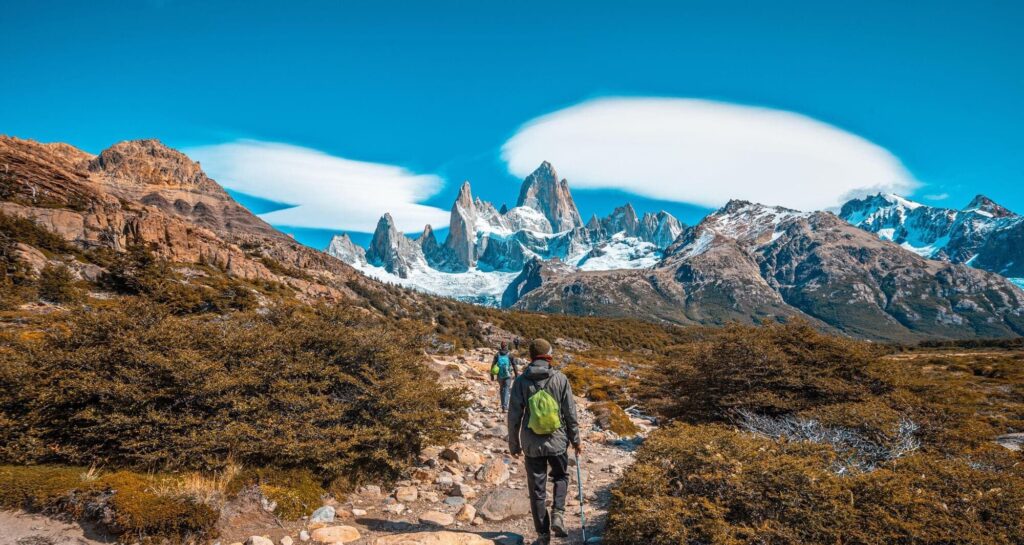
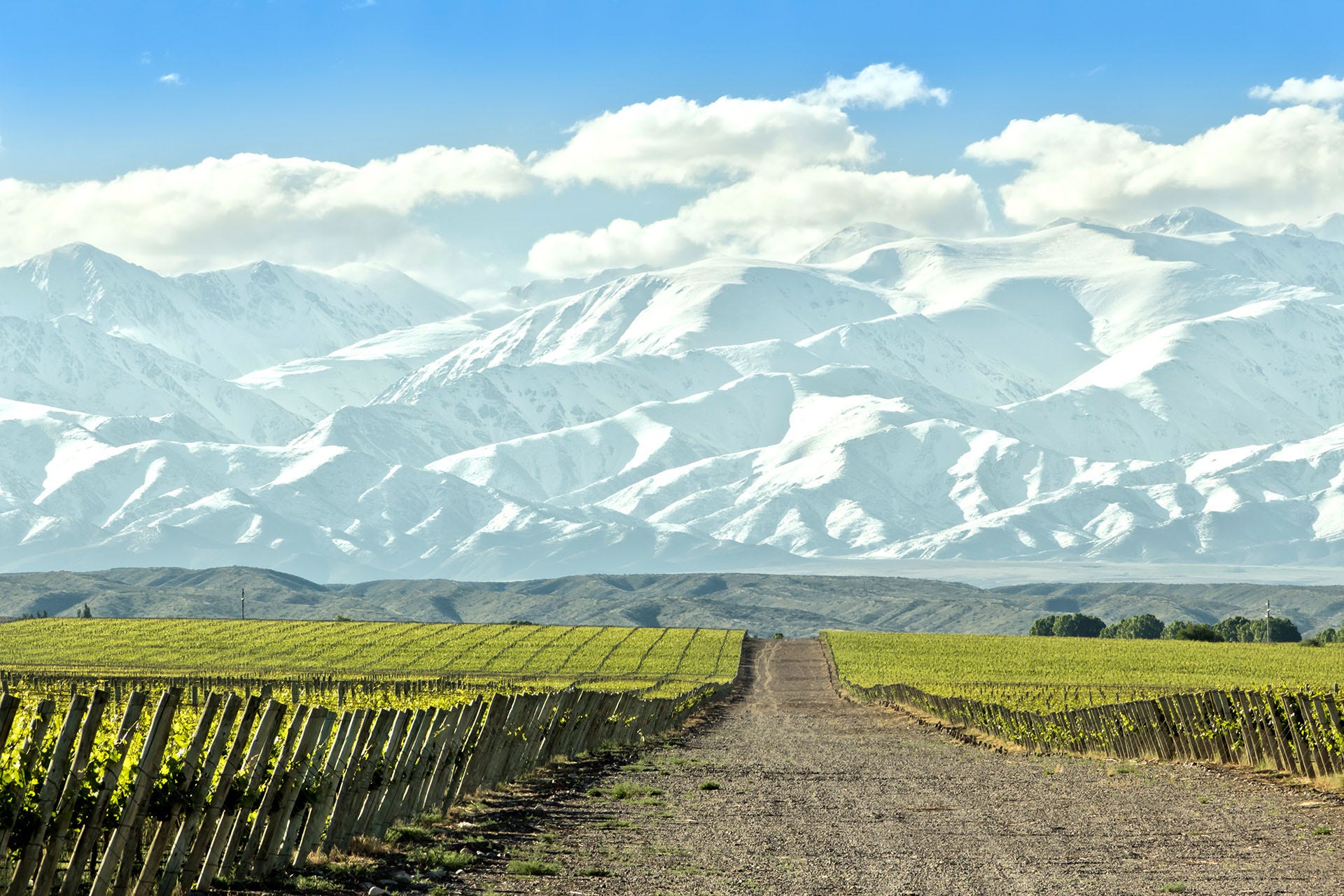
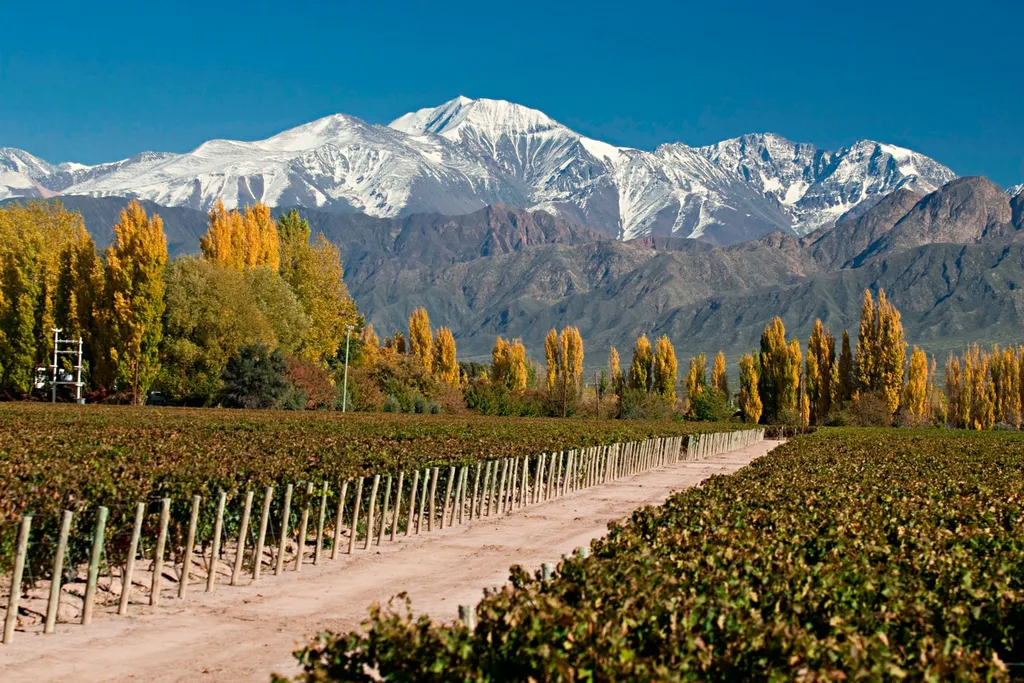
Mendoza produces most of Argentina’s wine and is the place where Malbec found its second home. Vineyards stretch from the edge of the city to the foothills of the Andes, with snow-covered peaks behind the rows of vines for much of the year.
What makes Mendoza easy to enjoy is the variety. You can visit historic family wineries a short drive from the city, cycle between tasting rooms or spend a day in high-altitude vineyards with some of the most striking winery architecture in South America. This guide helps you choose which valleys to visit, which wineries to book and how to organize your days.
Why Mendoza wine is different
Mendoza is a desert. Rain is scarce, so vineyards depend on irrigation channels fed by meltwater from the Andes, a system that dates back to the Huarpe people and was expanded in colonial times.
Altitude plays a key role too. Most vineyards sit between about 700 and 1,600 m a.s.l., where sunny days and cold nights help grapes keep their acidity and develop deep color. Malbec is the main variety, but you will also find excellent Cabernet Franc, Cabernet Sauvignon, Chardonnay and Torrontés.
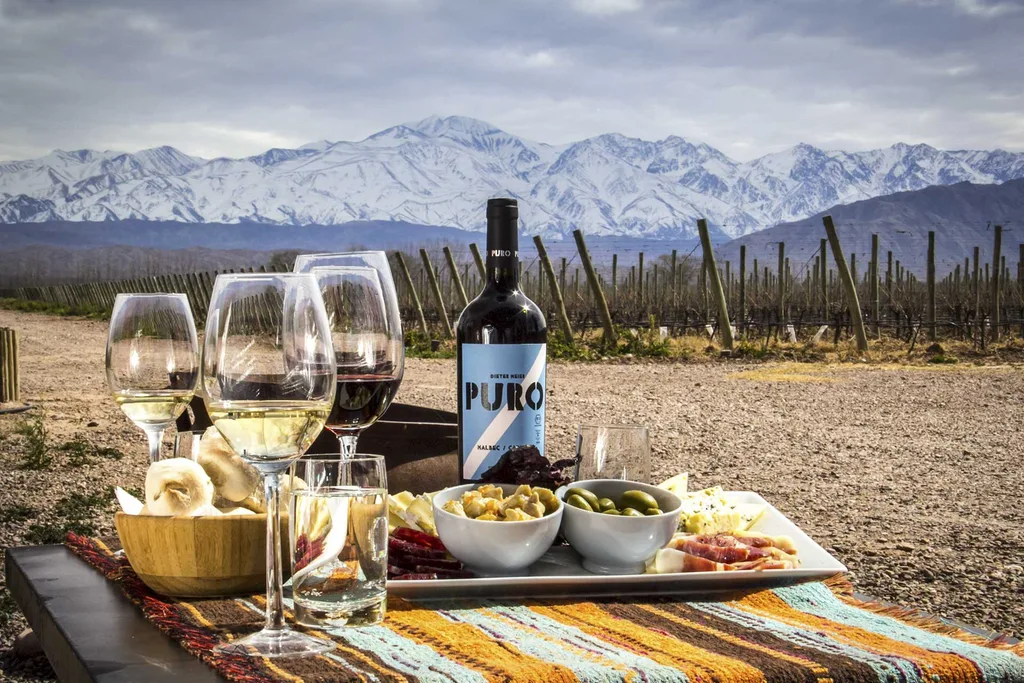
The main wine regions of Mendoza
| Region | Distance from Mendoza city | Best for |
|---|---|---|
| Luján de Cuyo | 30 to 40 minutes | Classic Malbec and historic wineries |
| Maipú | About 30 minutes | Bike tours, olive oil and relaxed visits |
| Uco Valley | About 1.5 hours | High-altitude wines, mountain views and design |
Luján de Cuyo
Luján de Cuyo is often called the first zone of Malbec. Areas like Agrelo, Perdriel and Vistalba have long histories of winemaking, and many of the most traditional names in Argentine wine are based here.
It is the best choice if you only have one day and want to visit several established wineries without long drives.
Maipú
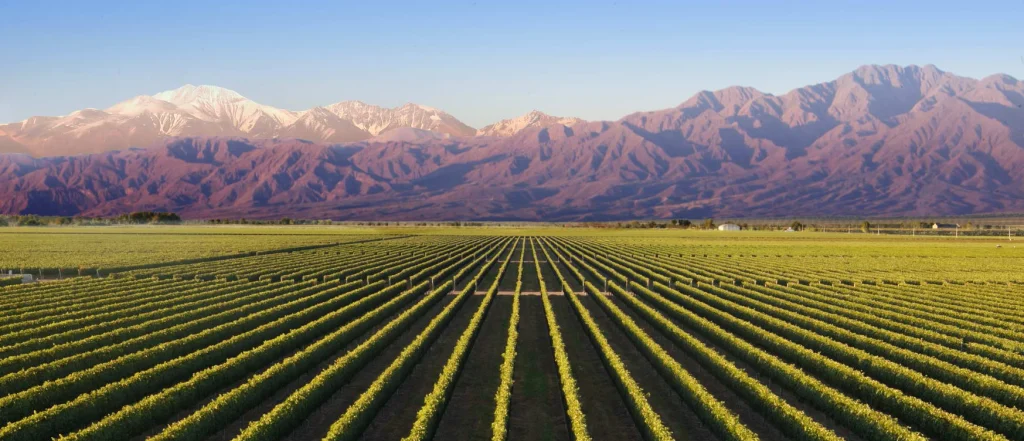
Maipú is the closest region to the city and the most relaxed. The flat roads make it popular for bike tours, where you ride between small wineries, olive oil producers and liqueur makers at your own pace.
Choose Maipú if you want a casual day with a mix of wine and local products rather than formal tastings.
Uco Valley
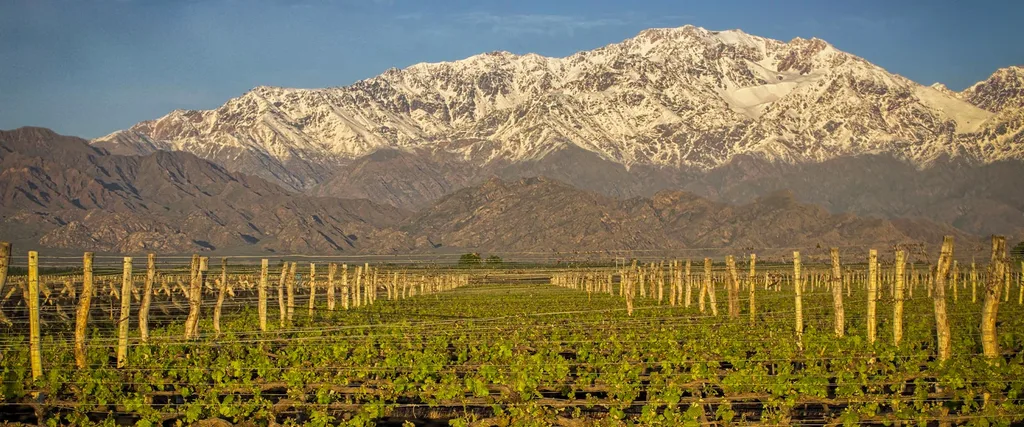
The Uco Valley lies south of the city, divided into three departments: Tupungato, Tunuyán and San Carlos. Its vineyards are the highest in Mendoza, and the Andes feel very close.
This region has some of the most modern wineries in Argentina, with contemporary buildings, art collections and long lunches paired with wine. Plan a full day here, since the drive takes time and visits tend to be longer.
Best wineries to visit in Luján de Cuyo
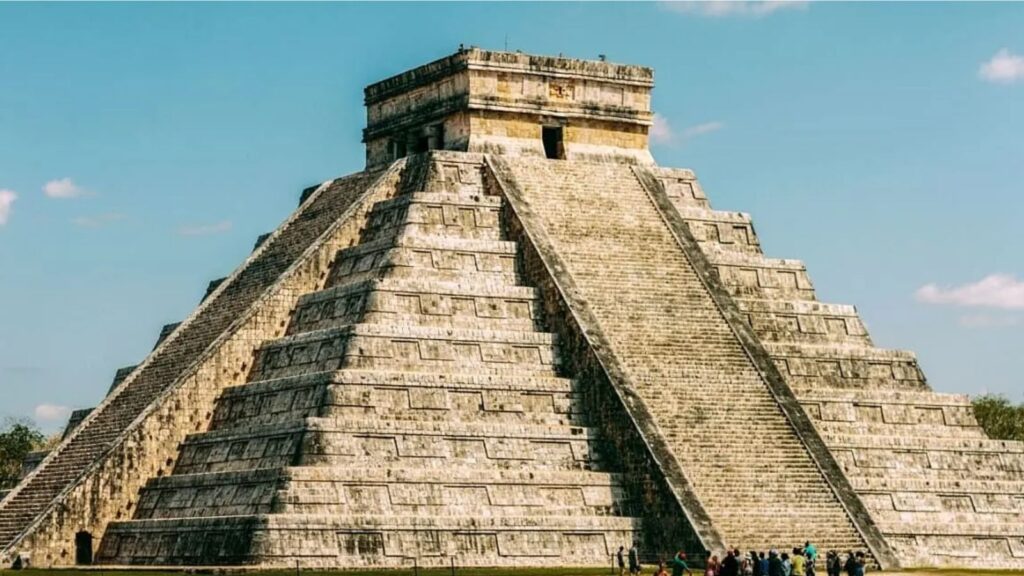
Catena Zapata (Agrelo): one of the most influential wineries in Argentina, known for its pyramid-shaped building inspired by Maya architecture. Its work with high-altitude Malbec helped put Argentine wine on the international map.
Bodega Norton (Perdriel): a historic winery founded in the late 19th century, with a restaurant among the vineyards and a range of tasting options for different budgets.
Bodega Lagarde: one of the oldest wineries in Mendoza, still family-run, with a garden restaurant that uses produce from its own vegetable plots.
Ruca Malen (Agrelo): well known for its pairing lunch, where each course is matched with a different wine and served with views of the mountains.
Best wineries to visit in Maipú
Familia Zuccardi (Santa Rosa and Maipú area): a family winery with a strong focus on hospitality, olive oil and regional cooking. Its restaurant is a popular choice for a long lunch.
Trapiche: one of Argentina’s largest producers, set in a restored historic building with a railway past. It offers a good introduction to how large-scale winemaking works.
Small boutique wineries: Maipú’s bike routes pass several family-run cellars where you often talk directly with the owners.

Best wineries to visit in the Uco Valley
Zuccardi Valle de Uco (Paraje Altamira): built from local stone and designed to blend into the landscape, this winery has topped the World’s Best Vineyards ranking more than once. It is one of the most complete visits in Mendoza.
Salentein (Tunuyán): a large winery with a cross-shaped underground cellar and the Killka cultural space, which houses art exhibitions.
The Vines of Mendoza (Vista Flores): a project where wine lovers own small private vineyards. It offers tastings, a restaurant and a luxury resort for longer stays.
Rutini (Tupungato): a traditional family name with a modern winery and a wine museum that shows old tools and techniques.
Andeluna (Tupungato): a smaller winery with a relaxed atmosphere, tastings in front of the mountains and a well-regarded lunch menu.
How many days to spend in Mendoza
- 2 days: one day in Luján de Cuyo and one in the Uco Valley
- 3 days: add a bike tour in Maipú or a day trip to the Andes
- 4 to 5 days: time to stay in the Uco Valley, visit more wineries and enjoy long lunches without rushing
Two or three winery visits per day is the right pace. Most include tastings, and lunches can last several hours.
Sample 3 day itinerary
Day 1: Luján de Cuyo, with a morning tasting at Catena Zapata and a pairing lunch at a nearby winery.
Day 2: Uco Valley, with visits to Zuccardi Valle de Uco and Salentein and lunch among the vineyards.
Day 3: Bike tour in Maipú, or a day trip along the Andes road toward the Aconcagua viewpoint.
When to visit Mendoza wine country
Harvest season (February to April): the busiest and most festive time. Grapes are picked, wineries are active and the Fiesta Nacional de la Vendimia fills the city with parades and events in late February and early March.
Autumn (April and May): vineyards turn yellow and red, the weather is mild and there are fewer visitors.
Spring (September to November): vines start to bud, days are pleasant and it is a good season for cycling in Maipú.
Winter (June to August): cold but sunny, with snow on the Andes. Some wineries reduce their schedules, and the mountain pass to Chile can close after heavy snow.
Getting to Mendoza
There are daily flights from Buenos Aires to Mendoza, taking about 2 hours. If you are coming from Chile, buses and cars cross the Andes from Santiago through the Los Libertadores pass in around 7 hours, one of the most scenic border crossings in South America. In winter, check road conditions before you travel.
Tips for visiting Mendoza wineries
- Book ahead: most wineries only accept visitors with a reservation, especially for pairing lunches.
- Check opening days: many wineries close on Sundays or have limited hours on weekends and holidays.
- Do not drive yourself: Argentina has strict drink-driving rules. Hire a driver or join a guided tour.
- Eat well: pairing lunches are generous, so keep breakfast light and avoid booking too many visits after lunch.
- Bring sun protection: the sun is strong at altitude, even in cooler months.
Frequently asked questions about Mendoza wine country
Which is the best wine region in Mendoza?
It depends on your interests. Luján de Cuyo is best for classic Malbec, Maipú for relaxed bike tours and the Uco Valley for high-altitude wines and modern wineries.
How many wineries can you visit in one day in Mendoza?
Two or three is ideal. More than that feels rushed, especially if one of the visits includes a pairing lunch.
Do you need a reservation to visit wineries in Mendoza?
Yes. Most wineries work only with reservations, and popular lunches can fill up weeks in advance.
What is the best time to visit Mendoza for wine?
February to April, during harvest, is the most lively period. April and May offer autumn colors and fewer visitors.
Can you visit Mendoza from Santiago?
Yes. Mendoza is about 7 hours from Santiago by road across the Andes, and there are also flights between both cities.
Discover Mendoza with MVP Experiences
Mendoza is the easiest way to understand Argentine wine, from traditional Malbec cellars to high-altitude vineyards facing the Andes. Because it sits right on the road between Chile and Argentina, you can add it to a custom South America trip that crosses the mountains from Santiago. With MVP Experiences, your winery visits, transport and border crossing are arranged so you can focus on the glass in front of you.