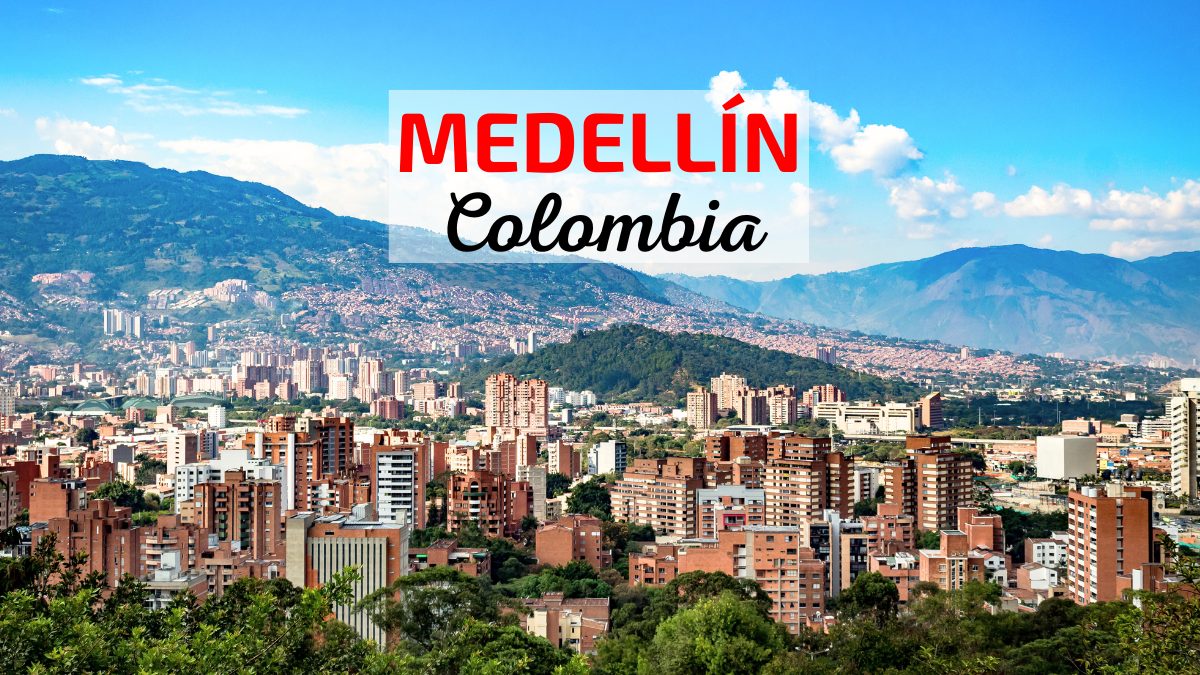
Medellín sits in the Aburrá Valley at about 1,500 m a.s.l., surrounded by green mountains covered in brick houses. Its mild weather and relaxed rhythm make it easy to explore, and its public transport, street art and markets show you how the city has changed over the last decades.
This guide covers the experiences worth your time, from riding cable cars over hillside neighborhoods to eating your way through local markets, plus practical advice to move around like a local.
Getting around Medellín
Medellín is the only city in Colombia with a metro, and locals are proud of it. The system combines metro lines, a tram, buses and cable cars, so you can reach most places without a taxi.
- Metro: clean and fast, running north to south along the valley
- Metrocable: cable car lines connected to the metro, with no extra ticket needed on most of them
- Cívica card: a rechargeable card that saves you from buying single tickets
- Taxis and ride apps: useful at night and for areas outside the metro network
Avoid the metro during rush hours, early morning and late afternoon on weekdays, when trains get very crowded.
Comuna 13 and its outdoor escalators
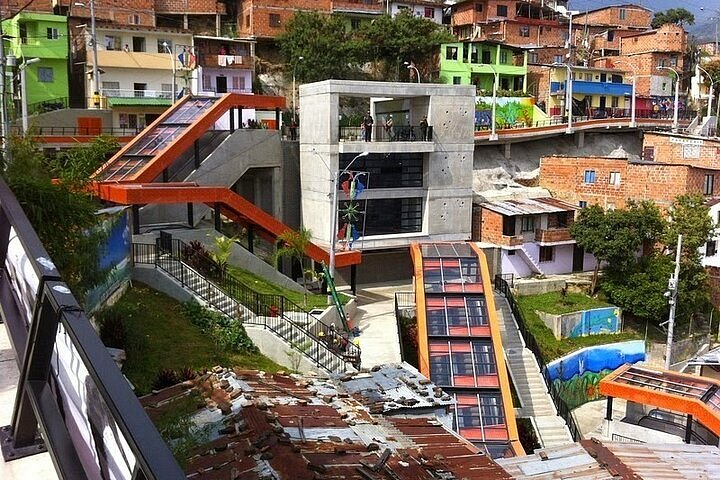
Comuna 13 is the most visited neighborhood in Medellín. For years it was one of the most dangerous areas in the city, and today it is a symbol of change. Outdoor escalators climb the hillside, connecting homes that once required long walks up steep stairs.
The best way to visit is with a local guide who grew up in the neighborhood. You walk past murals that tell the story of the community, stop at viewpoints over the valley, listen to hip hop artists and try homemade treats like mango ice pops sold by residents. Tours usually last about 2 to 3 hours.
Ride the Metrocable above the city
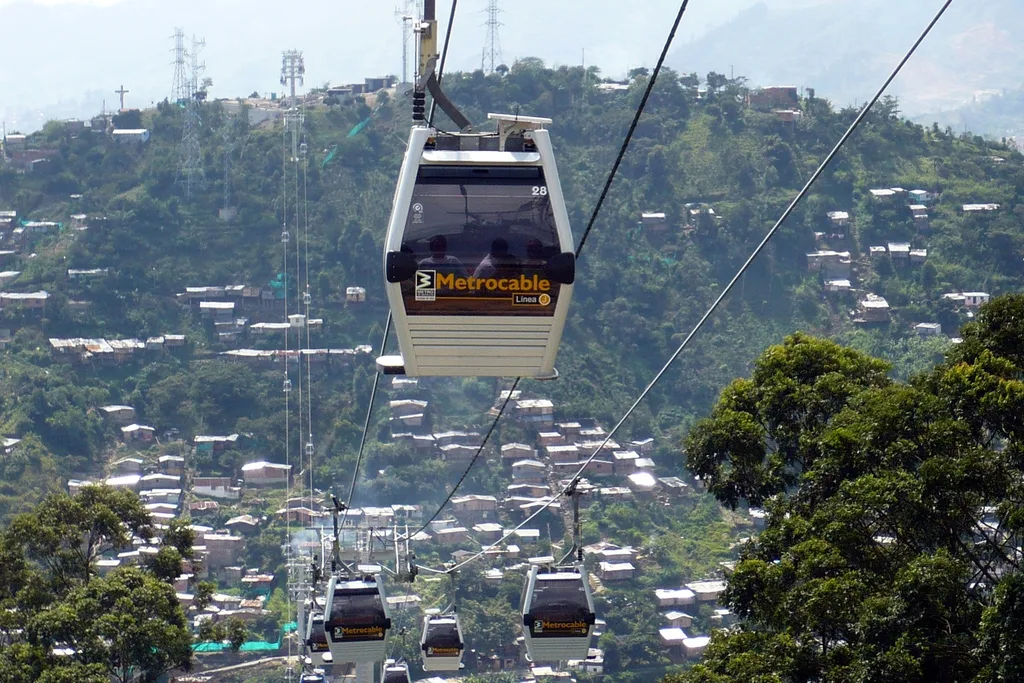
The Metrocable was built to connect hillside communities with the rest of the city, and it has become one of the best ways to see Medellín from above. From Acevedo station, the K line rises to Santo Domingo Savio, with views over rooftops, gardens and the valley.
From Santo Domingo, the L line continues over the mountain to Parque Arví, a forest reserve with trails, a small market and fresh air. This line has a separate fare and sometimes closes for maintenance, so check before you go.
Downtown: Botero, museums and markets
Plaza Botero and the Museum of Antioquia
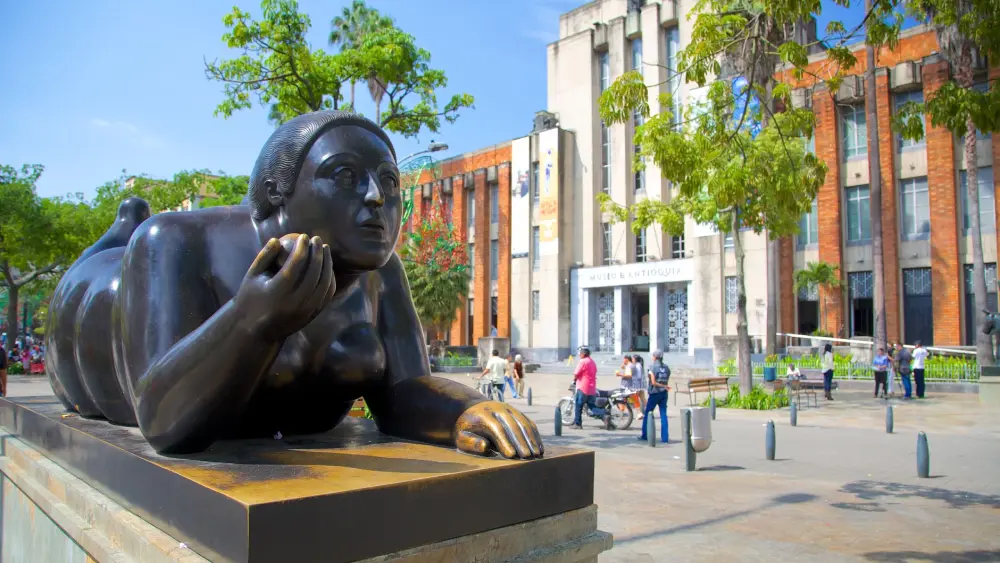
Fernando Botero, born in Medellín, donated a large group of bronze sculptures that now fill the square in front of the Museum of Antioquia. Inside the museum, you can see more of his paintings and his personal collection. Next to the plaza, the black and white Rafael Uribe Uribe Palace of Culture is one of the most photographed buildings downtown.
House of Memory Museum
The Museo Casa de la Memoria tells the story of the armed conflict in Medellín and Colombia through the voices of its victims. It is a moving visit that helps you understand the city you see today.
Minorista Market
For a local experience, head to the Plaza Minorista, a large market where vendors sell tropical fruits, flowers, herbs and fresh produce. Ask to try fruits like lulo, granadilla, mangosteen or guanábana, and keep your belongings close.
Downtown is busy and lively during the day. Visit in the morning or early afternoon, and move to other areas in the evening.
Green spaces and viewpoints
- Botanical Garden: free entry, with the Orquideorama, a wooden structure built to display orchids, and quiet paths among tropical plants
- Pueblito Paisa: a replica of a traditional Antioquia village on top of Cerro Nutibara, with one of the best views of the city
- Parque Explora: an interactive science museum with a large freshwater aquarium, a good choice if you travel with children
- Paragliding in San Félix: tandem flights over the valley, about an hour north of the city
Neighborhoods to explore
El Poblado
El Poblado is where most visitors stay. It has hotels for every budget, cafés, shops and restaurants. Its busiest corner, Provenza, is full of tree-lined streets with bars, rooftops and design stores.
Laureles
Laureles is flatter, greener and more residential. Its circular streets, parks and neighborhood bakeries give you a feel for everyday life. Carrera 70, nearby, is lively at night with local bars and restaurants.
Envigado
Just south of El Poblado, Envigado keeps a small-town atmosphere with a main square, local restaurants and a relaxed pace. It is a good place for lunch away from the tourist crowds.
Paisa flavors to try
People from Antioquia are known as paisas, and their cooking is hearty and generous. These are the flavors to look for:
- Bandeja paisa: a large plate with beans, rice, ground meat, chicharrón, egg, plantain, arepa and avocado
- Arepa paisa: a thin, plain corn arepa served with almost every meal
- Mazamorra: white corn served in its cooking liquid with milk, often with panela on the side
- Buñuelos and pandebono: cheese breads that go well with a cup of local coffee
For many options in one place, visit a food hall like Mercado del Río, where you can try Colombian and international dishes under one roof.
Nights out in Medellín
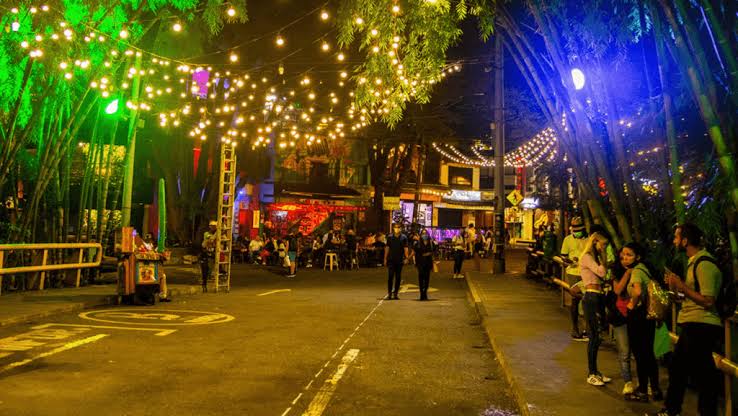
Medellín’s nightlife is centered in Provenza and Parque Lleras in El Poblado, with rooftop bars, clubs and reggaeton, the music style that made the city famous worldwide. For a more local night, head to Carrera 70 in Laureles, where bars play salsa, vallenato and crossover music.
If you enjoy football, watching a match of Atlético Nacional or Independiente Medellín at the Atanasio Girardot Stadium is an unforgettable experience. Buy tickets through official channels.
Beyond the city limits
Medellín is a good base for trips into the Antioquia countryside:
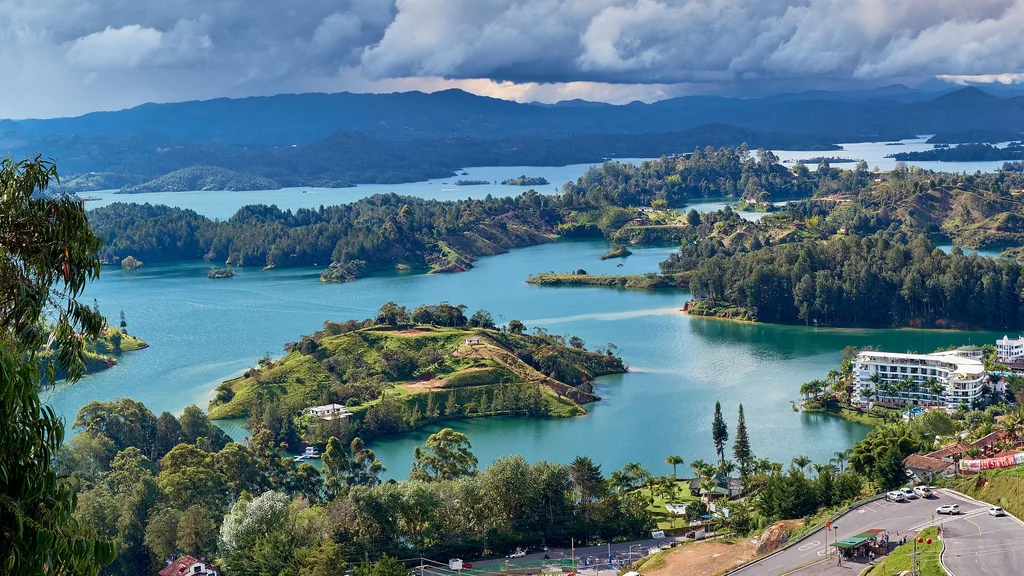
- Guatapé: the most popular day trip, with a colorful town and a giant rock overlooking a reservoir. Our Guatapé guide explains how to plan the visit.
- Coffee farms: several farms near the city offer tours showing how coffee is grown, harvested and roasted
- Santa Fe de Antioquia: a colonial town about 1.5 hours away, with whitewashed houses and a historic suspension bridge
Local know-how for your visit
- Keep your phone out of sight on busy streets and avoid showing valuables.
- Use registered taxis or ride apps at night instead of hailing cars on the street.
- Carry a light jacket for evenings and a small umbrella for afternoon showers.
- Medellín is enjoyable all year. To choose your dates, see our guide to the best time to visit Colombia by region.
Frequently asked questions about Medellín
How many days do you need in Medellín?
Three days let you see Comuna 13, ride the Metrocable and explore downtown and the main neighborhoods. Add a fourth day for a trip to Guatapé.
Is Medellín safe for tourists?
Most visitors enjoy the city without problems. Stay in well-known neighborhoods, take registered transport at night and follow the same precautions you would in any large city.
Do people speak English in Medellín?
In hotels, tour companies and many restaurants in El Poblado, yes. Outside tourist areas, basic Spanish phrases are very helpful.
Can you drink tap water in Medellín?
Tap water in Medellín is treated and generally considered safe to drink. If you have a sensitive stomach, bottled water is easy to find.
Experience Medellín with MVP Experiences
Medellín shows you a Colombia of mountains, street art and warm hospitality, with plenty to do in a few days. MVP Experiences can include the city in a personalized Colombia tour, with local guides for Comuna 13, transfers and day trips into the Antioquia countryside.