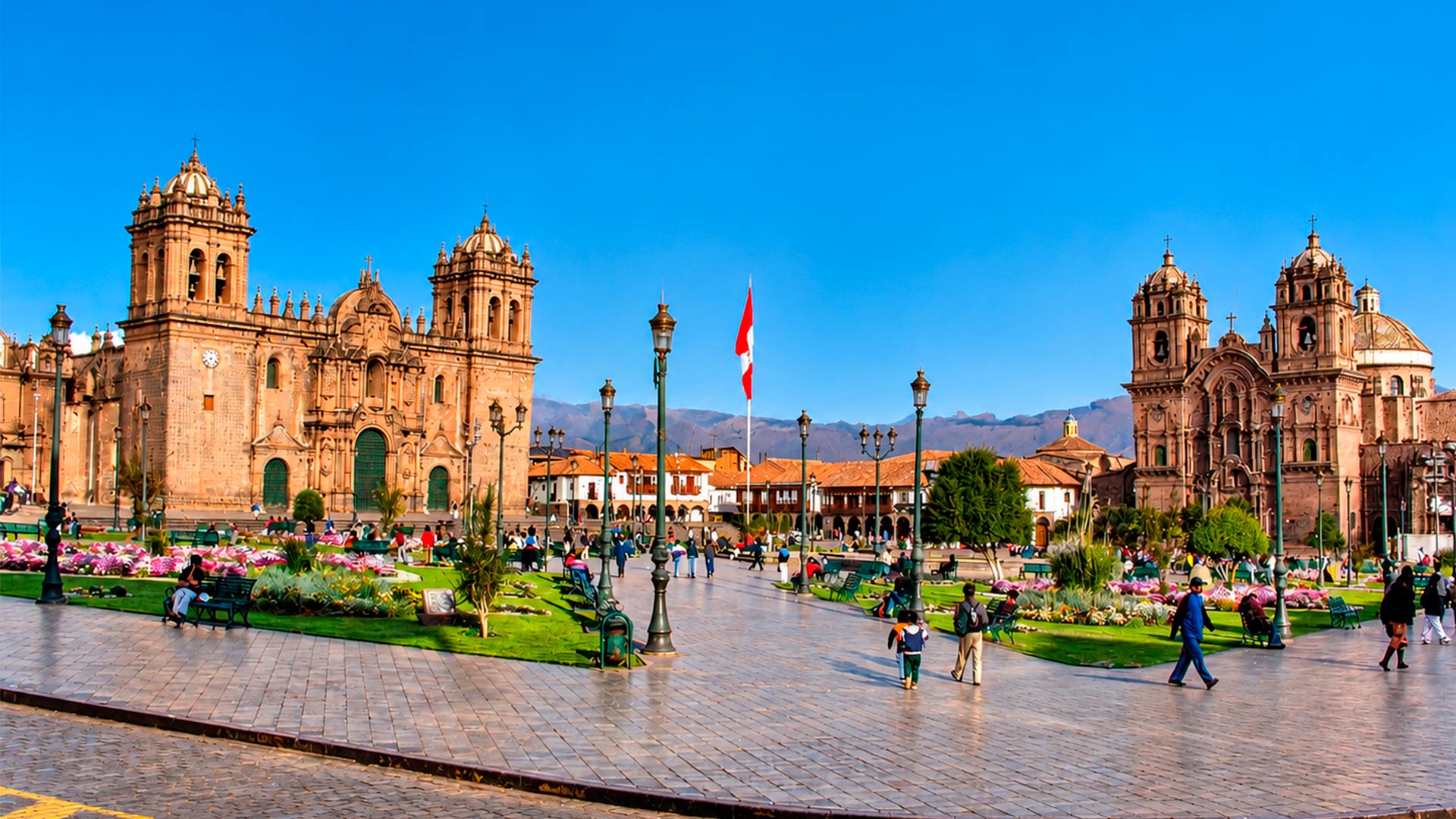
Most travelers see Cusco as the gateway to Machu Picchu, but the city deserves its own time. Once the capital of the Inca Empire, it still keeps Inca walls under colonial churches, busy local markets and steep neighborhoods full of workshops and viewpoints. This guide helps you explore Cusco beyond the main square, with the sites worth your time, how the tourist ticket works and how to plan your days.
How Cusco’s Layout Follows the Inca Plan
The Incas designed Cusco in the shape of a puma, with Sacsayhuamán as the head and the meeting point of two rivers as the tail. Many of today’s streets follow the original Inca grid, and the lower sections of many buildings are Inca stonework topped by Spanish construction. The historic center was declared a UNESCO World Heritage Site in 1983, and walking it is the best way to understand how both cultures overlap.
The Historic Center on Foot
Plaza de Armas and the Cathedral
The Plaza de Armas was the Inca ceremonial square, known as Huacaypata. Today it is framed by arcades, balconies and two large churches. The Cathedral, built over an Inca palace, holds a large collection of colonial art, including a Last Supper painted by Marcos Zapata where Christ and the apostles share a roasted guinea pig. Next to it, the Church of the Company of Jesus has one of the most elaborate facades in the city.
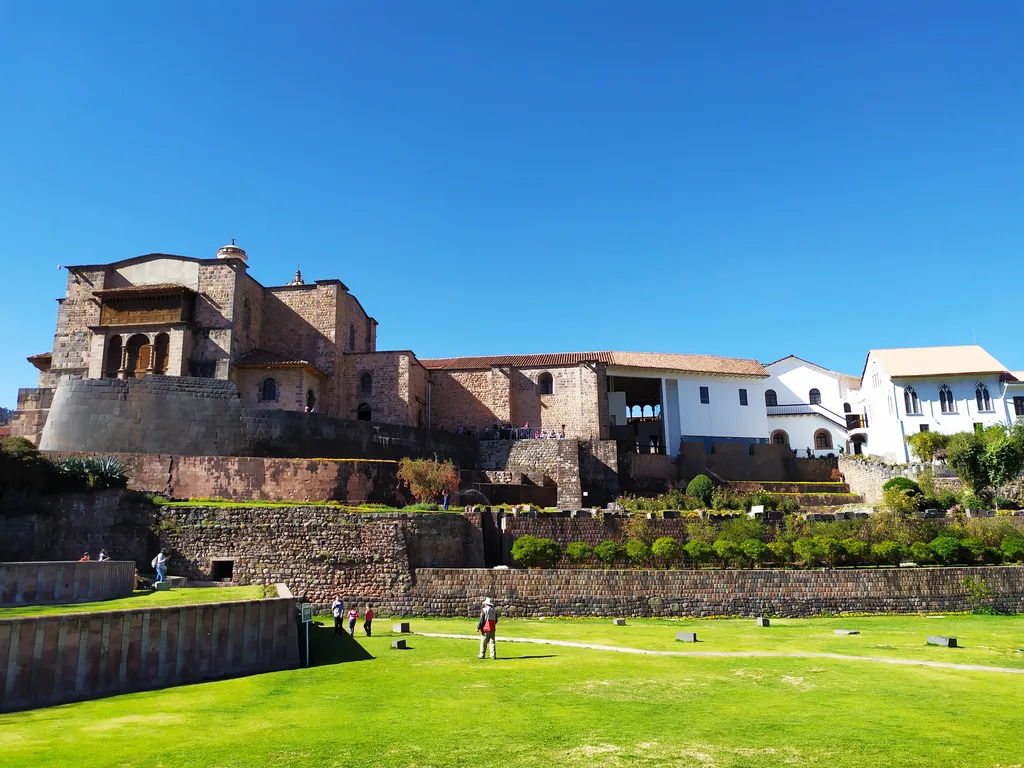
Qorikancha and the Temple of the Sun
Qorikancha was the most important temple in the Inca Empire, once covered in gold sheets. The Spanish built the Santo Domingo convent on top of it, but the curved Inca wall facing Avenida El Sol and several inner chambers survived. The contrast between the smooth Inca stones and the colonial arches makes it one of the most revealing sites in Cusco.
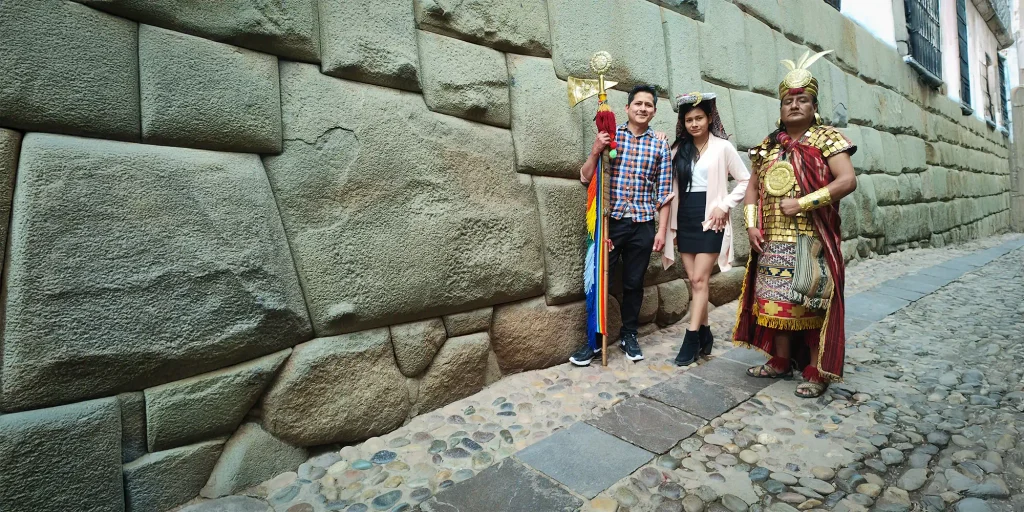
Hatun Rumiyoc and the twelve-angled stone
On Hatun Rumiyoc Street, a stone with twelve perfectly fitted angles forms part of the wall of the former palace of Inca Roca. It shows the precision of Inca masonry, built without mortar. The building now houses the Museum of Religious Art.
Loreto Street and the Inca walls
Loreto Street, a narrow alley beside the Plaza de Armas, is lined on both sides by tall Inca walls. One side belonged to the Acllahuasi, the house of the chosen women who served the Sun. It is one of the best places to see Inca stonework without entering a museum.
San Blas: The Artisans’ Quarter
Workshops and galleries
San Blas climbs the hill northeast of the Plaza de Armas through narrow stone streets and white houses with blue doors. It has long been home to artisans, and families of image makers still run workshops here. Small galleries sell ceramics, textiles, silver and paintings, often made on site. The San Blas church holds a carved wooden pulpit considered one of the finest in the Americas.
The San Blas viewpoint
At the top of the neighborhood, a small square offers views over the red tiled roofs of the center. It is a quiet spot in the late afternoon, and the cafés nearby make it easy to stop for a while.
San Pedro Market and Local Shopping
San Pedro Market, a few blocks from the Plaza de Armas, is where locals buy their food, flowers and household goods. It gives you a real sense of daily life in Cusco.
What to look for inside the market
Walk through the juice stalls, where vendors blend fresh fruit to order, and the sections for Andean potatoes, corn, cheese and bread. There are also stands with herbs, handicrafts and textiles. Prices are usually fixed for food, while you can bargain politely for souvenirs.
Keeping your belongings safe in crowds
Markets get busy, especially in the morning. Carry only what you need, keep your phone in a front pocket and wear your backpack on your chest.
Ruins Within Reach of the City
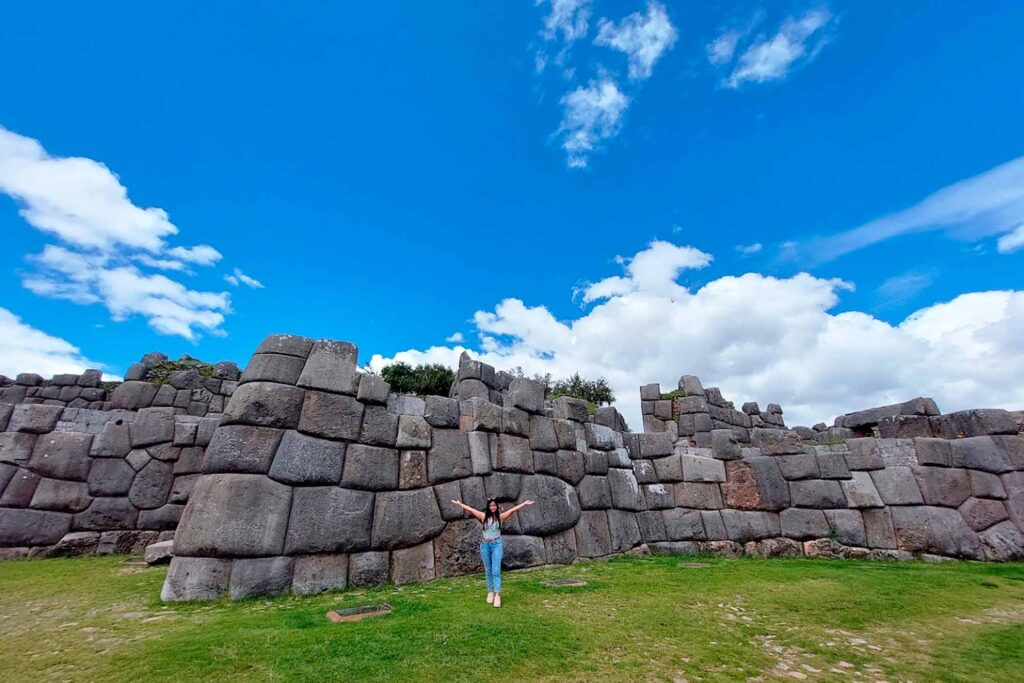
Sacsayhuamán
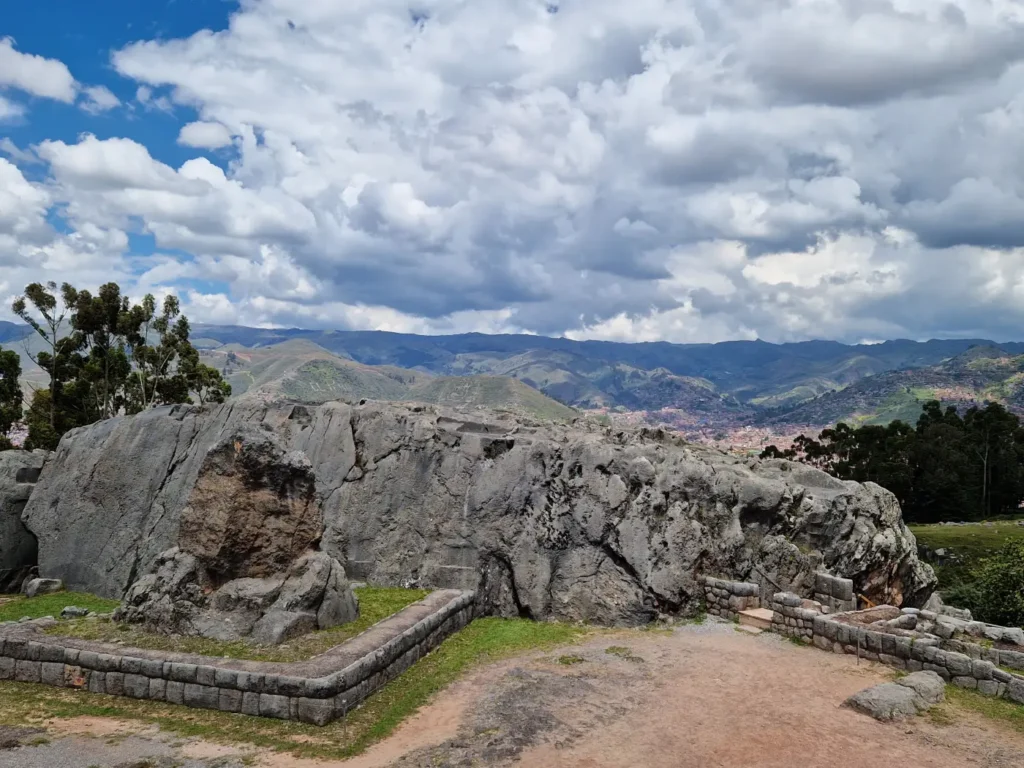
Sacsayhuamán sits on a hill above the city, a 20 to 30 minute uphill walk from the center. Its zigzag walls use enormous stones, some weighing more than 100 tons, fitted without mortar. Every June it hosts the main ceremony of the Inti Raymi festival. From the top, you get one of the best views of Cusco.
Qenqo, Puka Pukara and Tambomachay
Along the road above Sacsayhuamán are three smaller sites. Qenqo is a carved rock with tunnels and an altar used for rituals. Puka Pukara was a checkpoint and resting place, and Tambomachay has fountains and water channels still flowing after centuries. Many visitors see all four sites in a half-day tour, which is also a gentle way to prepare for the larger ruins in the Sacred Valley.
The Cusco Tourist Ticket Explained
The Boleto Turístico del Cusco gives access to many sites around the city and the Sacred Valley, including Sacsayhuamán, Qenqo, Puka Pukara, Tambomachay, Pisac, Ollantaytambo, Moray and several museums. The full ticket is valid for 10 days, and there are partial options for specific circuits. Keep in mind that it does not include the Cathedral, Qorikancha or Machu Picchu, which have separate entrance fees.
Museums That Explain What You See
The Museum of Pre-Columbian Art displays pieces from different Peruvian cultures in a restored colonial mansion. The Inca Museum explains daily life, textiles and religion in the empire. The small planetarium, just outside the center, shows how the Incas read the stars and how that shaped their calendar and architecture. Visiting one of these early in your stay makes the ruins much easier to understand.
Planning Your Days Around the Altitude
Cusco sits at about 3,400 m a.s.l., so plan light activities on your first day, such as a slow walk around the center and a visit to Qorikancha. Leave the uphill walks to San Blas or Sacsayhuamán for the second or third day, and use taxis for steep routes, since they are cheap and easy to find.
Evenings in Cusco
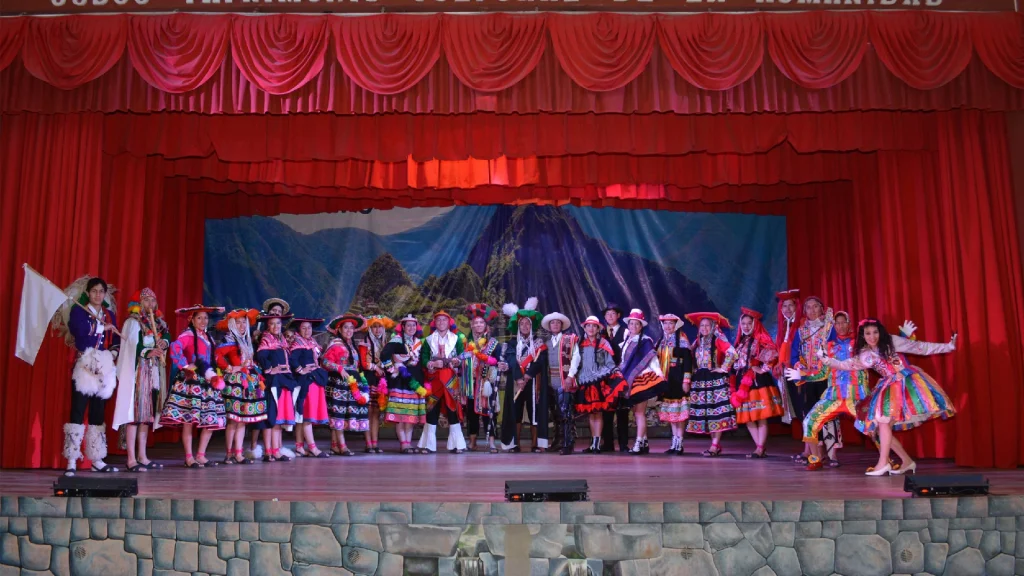
After sunset, the Plaza de Armas is lit up and the balconies around it fill with restaurants and bars. Nights are cold for most of the year, so bring a warm layer even after a sunny day. You will find live Andean music in some restaurants, craft beer bars in San Blas and cultural dance shows at the Qosqo Native Art Center.
Using Cusco as Your Base for Machu Picchu
Staying several nights in Cusco lets you combine the city with the Sacred Valley and Machu Picchu without changing hotels too often. A common plan is to arrive in Cusco, explore it for two days, move to the Sacred Valley and continue to Machu Picchu. If you want that sequence already arranged, our 9-day Peru tour covers Lima, Cusco, the Sacred Valley and Machu Picchu.
Frequently Asked Questions
How many days should I spend in Cusco city?
Two or three full days let you see the center, San Blas, the markets and nearby ruins at a comfortable pace, without counting your Machu Picchu and Sacred Valley days.
Where is the best area to stay in Cusco?
The historic center is convenient for walking to most sites. San Blas is quieter and more charming but involves steep climbs, while the area around Avenida El Sol is flatter and close to transport.
Can I drink tap water in Cusco?
It is best to avoid it. Drink bottled or filtered water, and many hotels offer refill stations.
What does the rainbow flag in Cusco mean?
It is the flag of the city of Cusco and represents the Tawantinsuyu, the Inca Empire. You will see it on public buildings and during local celebrations.
Are there ATMs and card payments in Cusco?
Yes. ATMs are common in the center and many restaurants accept cards, but carry cash for markets, taxis and small shops.
Is it easy to get around by taxi?
Yes. Taxis are inexpensive and available at all hours. Use registered taxis or ride-hailing apps, especially at night.