Peru is larger than most travelers expect, and its main highlights are spread across the coast, the Andes and the Amazon. The right trip length depends less on how many places you want to see and more on how much time you lose to flights, altitude and train schedules. This guide breaks down what realistically fits into each trip length so you can plan a route that feels full without becoming exhausting.
The Short Answer by Travel Style
| Trip length | What fits comfortably |
|---|---|
| 5 days | Cusco and Machu Picchu |
| 7 days | Lima, Cusco, Sacred Valley and Machu Picchu |
| 10 days | The above plus Lake Titicaca or a day trip like Rainbow Mountain |
| 14 days | The classic route plus the Amazon or the southern coast and Arequipa |
| 21 days or more | Several regions, northern Peru or a neighboring country |
For most first-time visitors, 10 to 14 days is the range where Peru starts to feel relaxed rather than rushed.
What Eats Up Time on a Peru Trip
Domestic flights and connections
Almost every route between regions goes through Lima, so flying from one region to another often means a connection. International flights usually land in Lima at night, which means your first day is often lost to arrival and rest. Count each flight as half a day of travel.
Acclimatization days
Cusco, Puno and the Colca Valley are all above 3,000 m a.s.l. Your first day at altitude should be light, and treks or high passes are best left for your third day or later. These buffer days are part of the trip, not wasted time.
Machu Picchu logistics
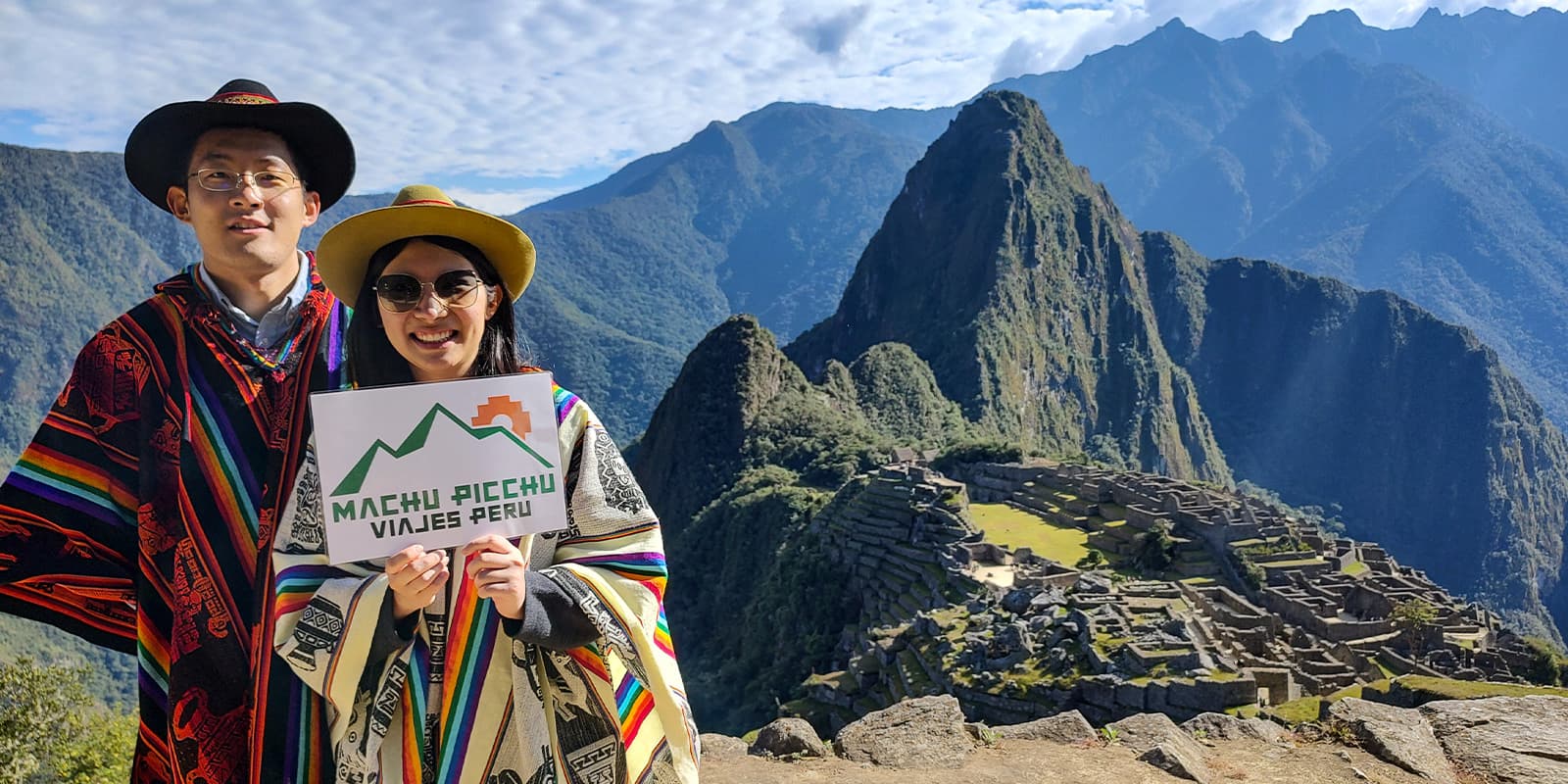
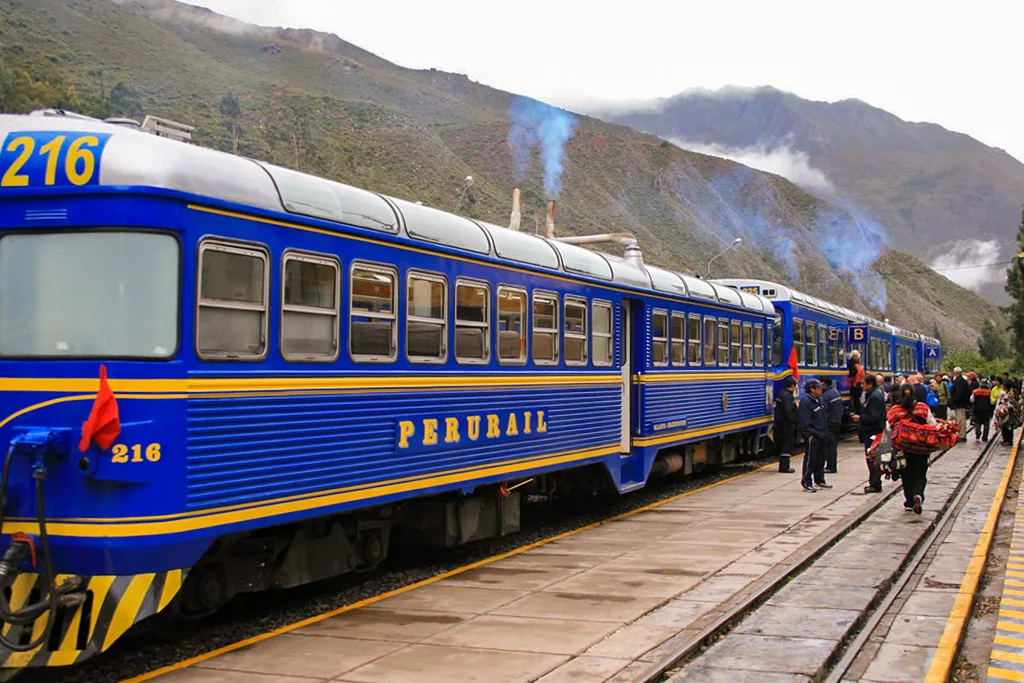
Reaching Machu Picchu involves a transfer to Ollantaytambo, a train to Aguas Calientes and a bus up to the site. Entry is by timed tickets, and many travelers spend a night in Aguas Calientes to enter early. In practice, Machu Picchu takes a full day, and often a day and a half.
Five Days: Cusco and Machu Picchu Only
With five days, focus on one region. Fly directly to Cusco, spend a day exploring the city, move to the Sacred Valley on day two, visit Machu Picchu on day three and return to Cusco before flying out. It is a tight but satisfying plan if Machu Picchu is your main goal. Adding Lima or another region at this length usually means spending more time in transit than sightseeing.
One Week: Adding Lima or the Coast
A week lets you add a day in Lima for its food scene and colonial center, or a stop on the southern coast before heading to the Andes. Starting at sea level also gives your body a gentler introduction before Cusco. If you want the coast and the Andes combined in a ready route, look at our tour covering one week in Peru with Lima, Paracas, Cusco and Machu Picchu.
Ten Days: The Classic Southern Loop Starts to Fit
Ten days is the point where you can travel beyond the Cusco region without rushing.
Where Lake Titicaca fits
Puno and Lake Titicaca are about 7 hours by road or a short flight from Cusco. Two nights there let you visit the floating Uros islands and a traditional island community. Going from Cusco to Puno also keeps you at altitude, so you arrive already adapted.

Rainbow Mountain or a slower day
With a spare day in Cusco, you can add Rainbow Mountain or simply keep a slower pace with a market visit and nearby ruins. Both choices improve the trip, and the slower day often matters more than it seems.
Two Weeks: Room for the Amazon or the South
With 14 days, you can add a full new region to the classic route.
The rainforest option
Adding three or four days in Tambopata, near Puerto Maldonado, gives you wildlife, river trips and a warm climate after the cold Andes. The direct flight from Cusco makes it easy to combine.
The Arequipa and Nazca option
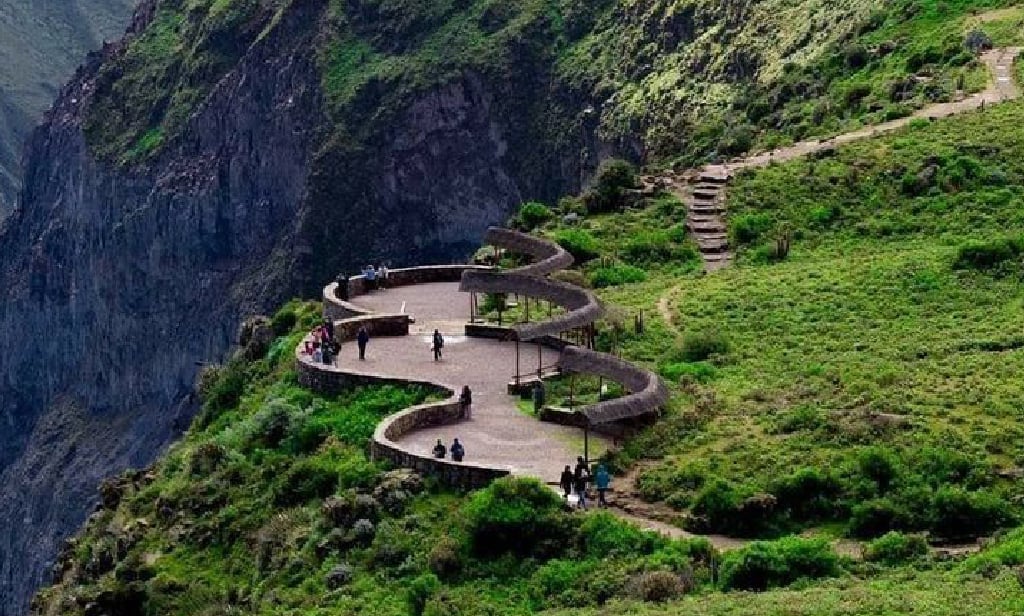
Alternatively, head south along the coast from Lima to Paracas and Nazca, continue to Arequipa and the Colca Canyon, and climb gradually to Puno and Cusco. This route shows you the desert, a colonial city and the canyon, and it builds your altitude step by step.
Three Weeks or More: Adding the North or Bolivia
Three weeks let you combine the south with the Amazon and the coast, or cross into Bolivia from Lake Titicaca to visit La Paz and the Uyuni salt flat. Northern Peru, with Chachapoyas, the Kuélap fortress and the beaches near Máncora, suits travelers on a second visit or those with more than a month.
Sample Day-by-Day Split for Ten Days
- Day 1: Arrive in Lima
- Day 2: Explore Lima and fly to Cusco in the evening
- Day 3: Easy day in Cusco
- Day 4: Sacred Valley
- Day 5: Machu Picchu
- Day 6: Return to Cusco
- Day 7: Rainbow Mountain or free day
- Day 8: Travel to Puno
- Day 9: Lake Titicaca islands
- Day 10: Fly to Lima and depart
Mistakes That Cost You Days
The most common mistake is trying to cover every region in a short trip. Long overnight buses save money but often leave you too tired to enjoy the next day. Booking Machu Picchu on your first day in Cusco is another risk, since altitude can affect you before your body adapts. Finally, leave at least one free day before your international flight, as weather or strikes can delay domestic connections.
Matching Trip Length to the Season
The season can change how much time you need. During the rainy months, some activities get delayed, so an extra day gives you room to reschedule. In the dry season, trains and tickets sell out earlier, which makes planning ahead more important than adding days. You can compare conditions month by month in our guide to the best time to visit Peru.
Frequently Asked Questions
Is three days enough to see Machu Picchu?
Three days in the Cusco region can cover Machu Picchu, but you will have little time to adjust to altitude or explore Cusco. Four or five days is more comfortable.
Can I combine Peru with Bolivia or Ecuador in two weeks?
It is possible with Bolivia, since Lake Titicaca connects both countries by land. Ecuador requires a flight and works better with at least three weeks.
Is it worth spending time in Lima?
Yes, especially for food lovers. One or two days is enough to enjoy its restaurants, the Miraflores cliffs and the historic center.
Does hiking the Inca Trail change the trip length?
Yes. The classic trek takes four days, and you should spend at least two days in Cusco beforehand, so plan around a week for this part alone.
What trip length works best for families with children?
Ten days or more lets families keep a slower pace and add rest days, which helps children adapt to altitude and long transfers.
Should I book my itinerary before arriving in Peru?
For Machu Picchu, trains and domestic flights, yes. Tickets sell out months ahead in the dry season, while smaller activities can be booked on arrival.