Destinations, Costs, Tips and Things to Do
Mexico is not a country you can fully experience in a single trip. It has Caribbean beaches, Mayan ruins surrounded by jungle, colonial cities, deserts, colorful markets and a food culture that is worth the journey on its own.
This guide covers the essentials, including the best time to visit, places worth seeing, expected travel costs, transportation, accommodation, food and practical advice.
Best Time to Visit
The dry season, from November to April, is generally the most comfortable time to travel around Mexico. Days are usually sunny, rainfall is limited and temperatures are pleasant in both coastal areas and the highlands.
December and Holy Week are among the busiest and most expensive periods. Travelers looking for lower prices and fewer crowds may prefer May or early November.
From June to October, rainfall becomes more frequent. This period also overlaps with hurricane season along the Caribbean coast. Rain usually comes in short, heavy afternoon showers rather than lasting all day.
One advantage of traveling during this season is that hotel prices are often lower.
Mexico City
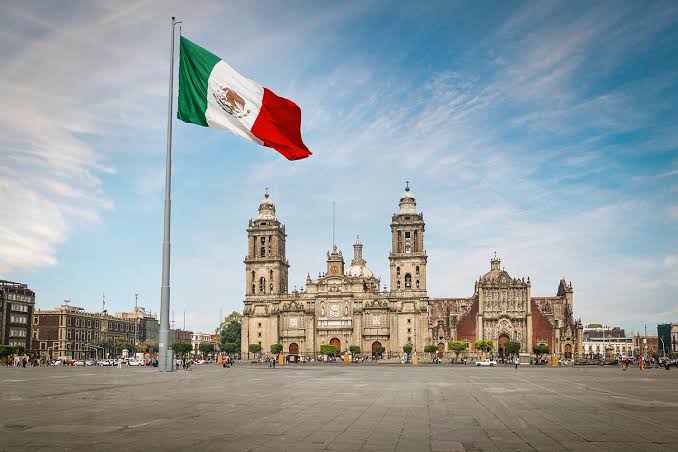
Mexico City is enormous and full of things to see. The Historic Center, the Zócalo, Chapultepec, Roma and Condesa are some of the most popular areas for visitors.
Roma and Condesa are especially known for cafés, restaurants, bookstores and pleasant streets for walking.
Teotihuacán is also worth visiting and is located about an hour from the city. Coyoacán is another great option, especially on weekends.
Plan at least three full days in Mexico City. Even then, there will still be plenty left to discover.

Cancún and the Riviera Maya
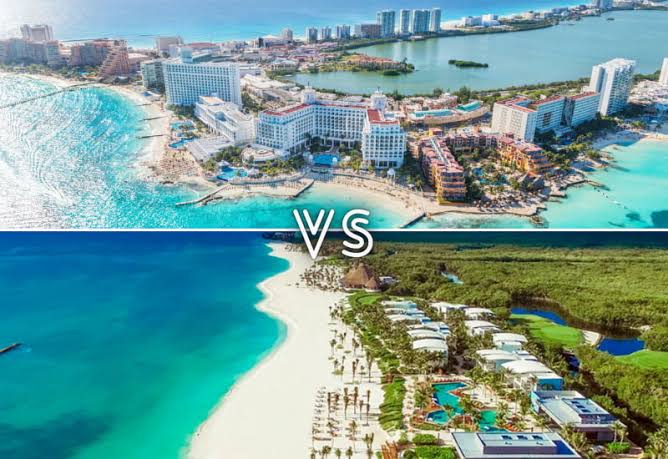
Cancún is one of the main gateways to the Mexican Caribbean. It is known for white sand beaches, turquoise water, resorts and nightlife.
Travelers looking for a more relaxed atmosphere often continue south to Playa del Carmen or Tulum.
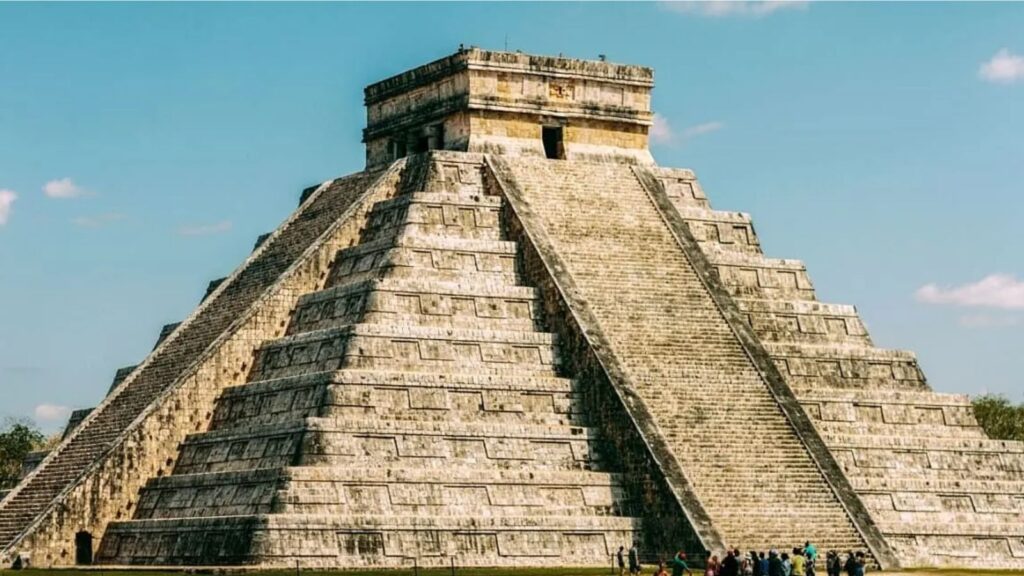
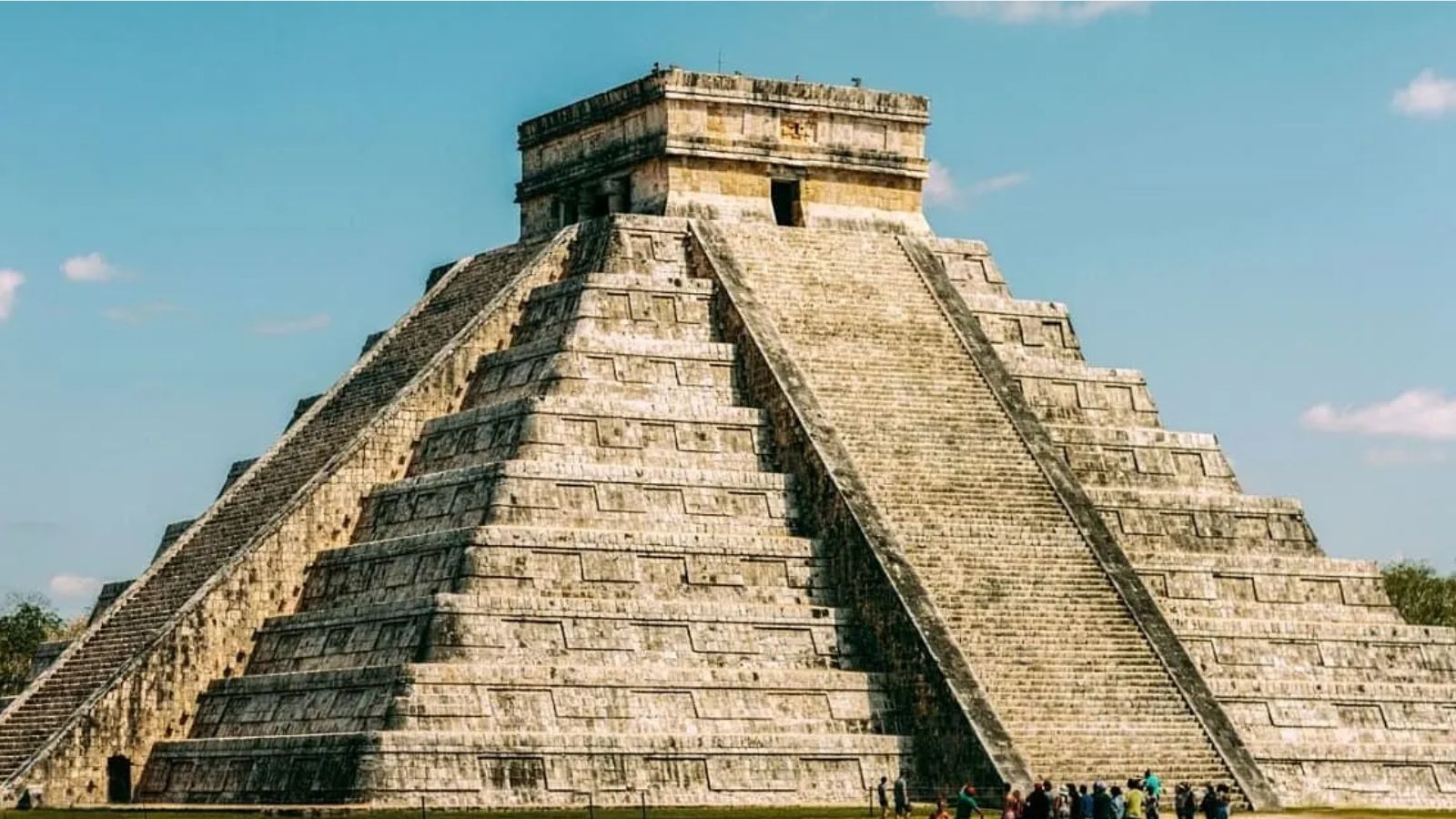
The Riviera Maya is also a good base for visiting cenotes, the seaside ruins of Tulum and Chichén Itzá.
Swimming or snorkeling in a cenote is one of the most memorable experiences in this part of Mexico.
Guadalajara and Jalisco
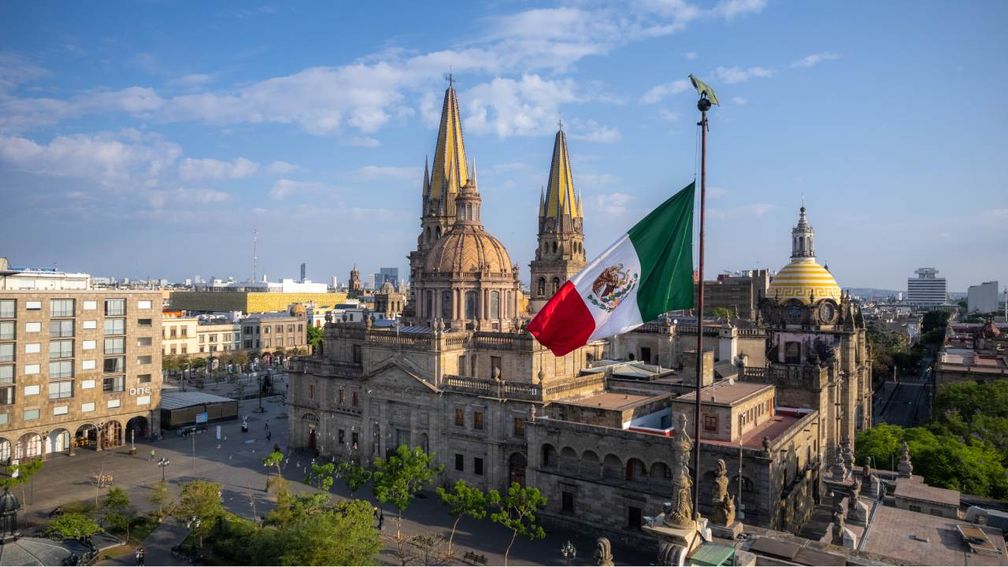
Guadalajara is strongly connected to some of Mexico’s best known traditions, including mariachi and tequila.
The city has an attractive historic center, good restaurants and a lively cultural scene. It is also easy to combine a visit to Guadalajara with nearby destinations.
The town of Tequila is a popular day trip, while Lake Chapala offers a quieter change of pace.
Oaxaca
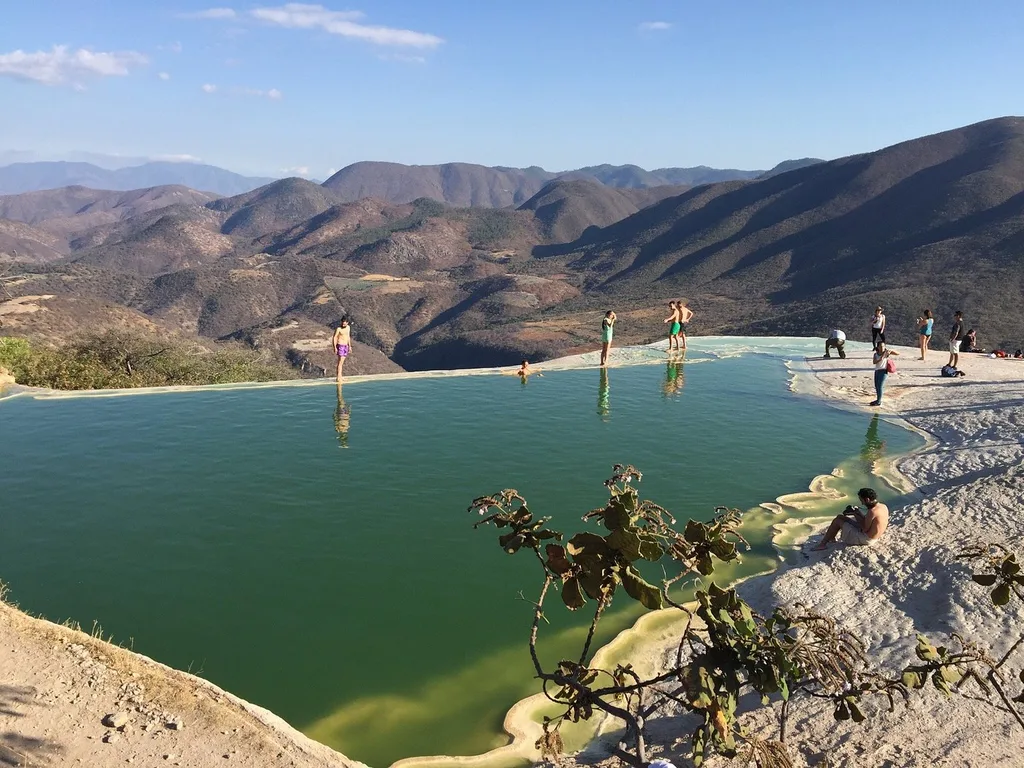
Oaxaca is one of the country’s best destinations for food, culture and traditional crafts.
Its historic center is filled with colonial architecture, markets, churches and small restaurants. Local specialties include mole, tlayudas, chocolate and mezcal.
Monte Albán, an important archaeological site, is located just outside the city.
Visiting during the Day of the Dead celebrations in late October and early November can be unforgettable, but accommodation should be booked well in advance because this is one of the busiest times of the year.
Guanajuato and San Miguel de Allende
Guanajuato is famous for colorful houses, narrow alleys, underground roads and a historic center built across steep hills.
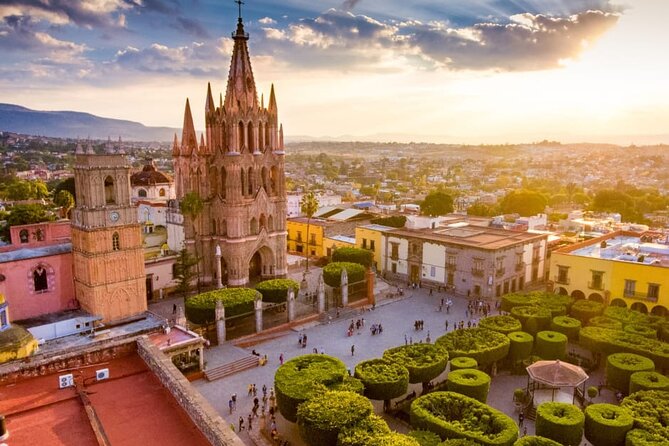
San Miguel de Allende has a more elegant and peaceful atmosphere. Its colonial buildings, central square and cobblestone streets make it a popular place for walking and relaxing.
Both cities are excellent choices for travelers interested in architecture, culture and a slower pace.
Chiapas and Palenque
Chiapas offers a very different side of Mexico.
San Cristóbal de las Casas is a mountain city known for its colonial streets, markets and strong Indigenous cultural presence.
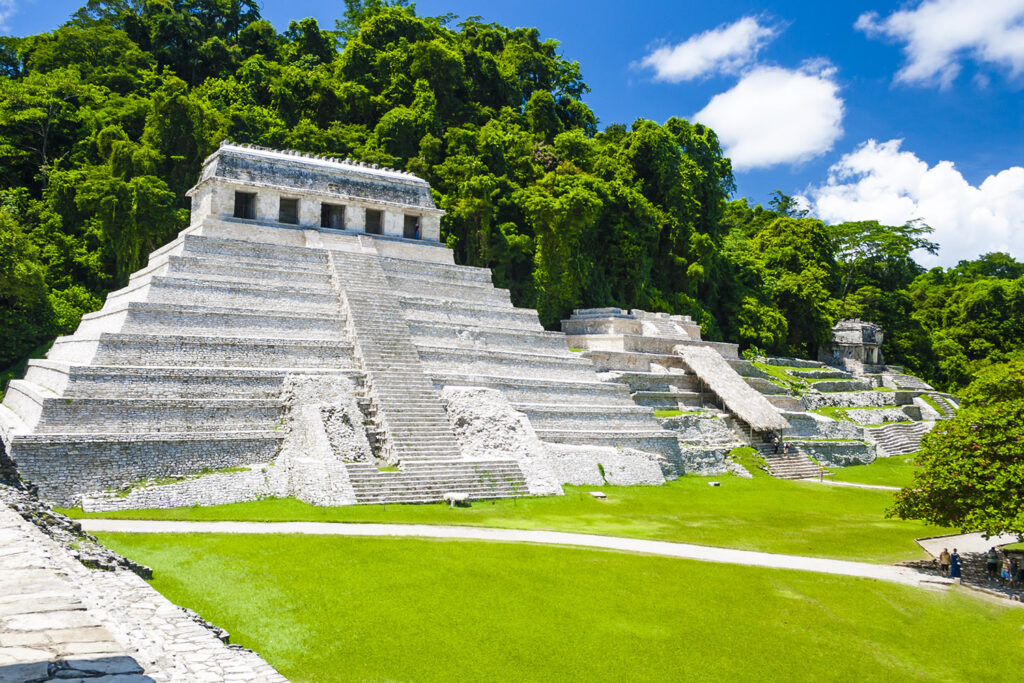
From Chiapas, travelers can also explore Sumidero Canyon, waterfalls such as Agua Azul and the archaeological site of Palenque.
Palenque is surrounded by tropical forest, which gives the ruins a unique atmosphere.
Los Cabos and Baja California
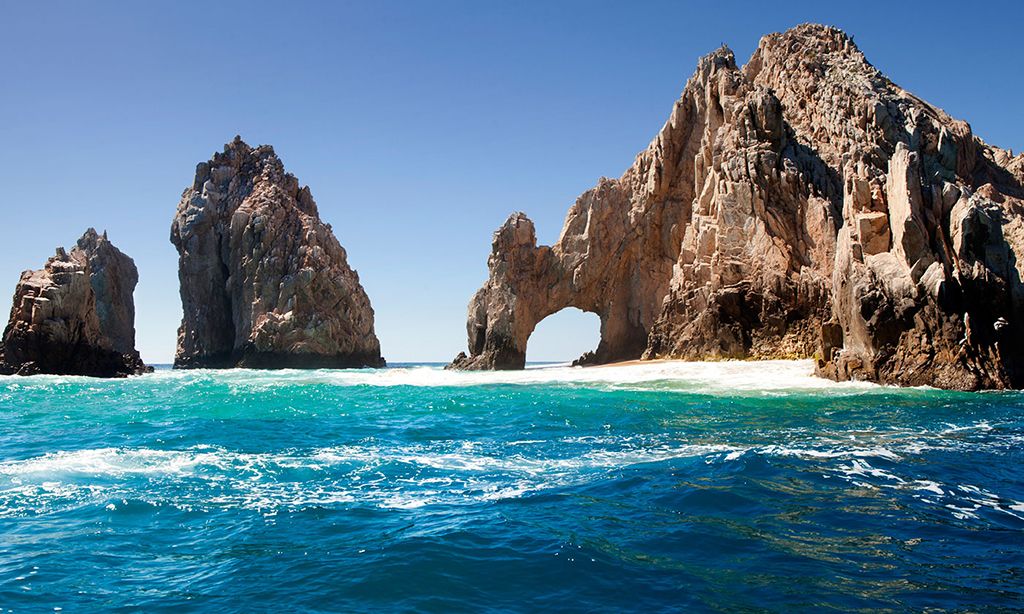
Baja California combines desert landscapes with dramatic coastlines.
Los Cabos is known for resorts, beaches and water activities. Travelers who want a quieter experience can also explore La Paz and smaller coastal communities.
Between December and March, whale watching is one of the main attractions in the region.
Other Places Worth Visiting
Travelers with more time can also consider Puerto Vallarta, Mérida, Puebla and the Pacific coast.
Mérida is a good base for exploring Yucatán and nearby Mayan sites.
Puebla is especially well known for its food, colonial architecture and Talavera pottery.
Puerto Vallarta combines beaches, restaurants, nightlife and easy access to smaller coastal towns.
Mexico has many different regions, and each one offers its own culture, landscapes and traditions.
Getting Around
For long distances, flying is usually the most practical option. Domestic flights connect many of the country’s major cities and tourist destinations.
For medium distance trips, buses are another good choice. First class bus companies provide comfortable services between many cities.
Inside larger cities, ride hailing apps are widely used. They can be especially convenient at night.
Renting a car can be useful in beach areas or rural regions where public transportation is limited. When possible, avoid driving long distances at night.
In Mexico City, the metro is inexpensive and efficient, although it can become very crowded during rush hour.
Approximate Daily Budget
A budget traveler may spend around $40 to $60 per day, including hostels, inexpensive meals and public transportation.
A mid range traveler may spend approximately $80 to $150 per day, allowing for comfortable hotels, restaurants and occasional tours.
Travelers looking for boutique hotels, resorts or private experiences may spend $200 or more per day.
Cancún and Los Cabos are generally more expensive than destinations such as Oaxaca or Guanajuato.
Combining expensive and affordable destinations can help keep the total cost of the trip under control.
Where to Stay
Budget travelers can find hostels starting at approximately $15 to $25 per night, depending on the city and season.
Mid range hotels and guesthouses often cost between $50 and $100 per night.
Mexico also has many boutique hotels, historic haciendas and beachfront resorts for travelers looking for something more special.
During peak travel periods, especially Holy Week, Christmas, New Year and major festivals, booking accommodation in advance is recommended.
What to Eat
Food is one of the highlights of traveling through Mexico.
Tacos al pastor, tamales, mole, tlayudas, seafood and regional specialties vary greatly from one part of the country to another.
Street food is also an important part of the experience. Busy food stalls with a steady flow of local customers are often a good choice.
Oaxaca and Puebla are famous for elaborate traditional dishes. Northern Mexico is known for grilled meats, while coastal areas offer fresh fish and ceviche.
Local markets are excellent places to try affordable food and experience everyday Mexican culture.
Popular drinks include aguas frescas, café de olla and mezcal.

Safety and Practical Tips
Most tourist visits to Mexico take place without serious problems, but basic precautions are important.
Try to travel during the day when covering long distances. At night, use reliable transportation options and avoid displaying expensive items.
Ask hotel staff or trusted local residents about areas that are best avoided.
Carry some Mexican pesos because smaller businesses and local markets may not accept cards.
Tap water is generally not recommended for drinking. Bottled or properly filtered water is the safer option.
A local SIM card or eSIM can make internet access easier and more affordable.
In restaurants, tipping around 10 to 15 percent is common.
7 Day Itinerary
For a first visit, spend several days in Mexico City and include a trip to Teotihuacán.
After that, fly to Oaxaca for food, culture and historic neighborhoods.
Another option is to spend the entire week in the Caribbean, combining Cancún, Tulum, cenotes and Chichén Itzá.
Avoid trying to visit too many regions in one week because distances across Mexico are significant.
14 Day Itinerary
With two weeks, travelers have more flexibility.
One possible route is Mexico City, followed by Oaxaca and several days on the coast.
Another option is a colonial route through Guanajuato, San Miguel de Allende and Guadalajara, followed by a few relaxing days on the Pacific coast.
21 Day Itinerary
Three weeks allows for a much deeper trip.
You can begin in central Mexico, continue south through Oaxaca and Chiapas, and finish in Yucatán with Mayan archaeological sites, colonial cities and Caribbean beaches.
This schedule gives you more time to enjoy each destination without constantly changing hotels or spending every day in transit. And if you want to keep going beyond Mexico, a 23-day journey through Central America is a natural next step, connecting the country’s southern jungles with the volcanoes and living cultures further south.
Experiences Worth Trying
Swim or snorkel in a cenote.
Visit the pyramids of Teotihuacán.
Taste traditional mezcal in Oaxaca.
Take a boat trip through Sumidero Canyon.
Explore local markets.
Try tacos from a busy neighborhood stand.
Visit archaeological sites surrounded by jungle.
Spend time walking through colonial neighborhoods.
Watch whales in Baja California during the appropriate season.
The best way to enjoy Mexico is not to treat the trip as a checklist. Give yourself enough time to experience the food, people, neighborhoods and traditions of each place you visit.