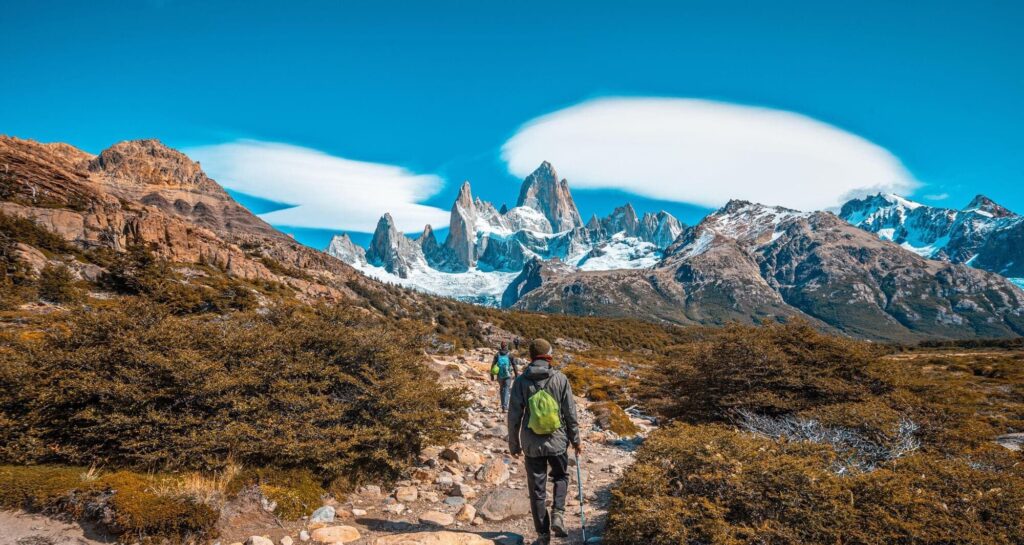
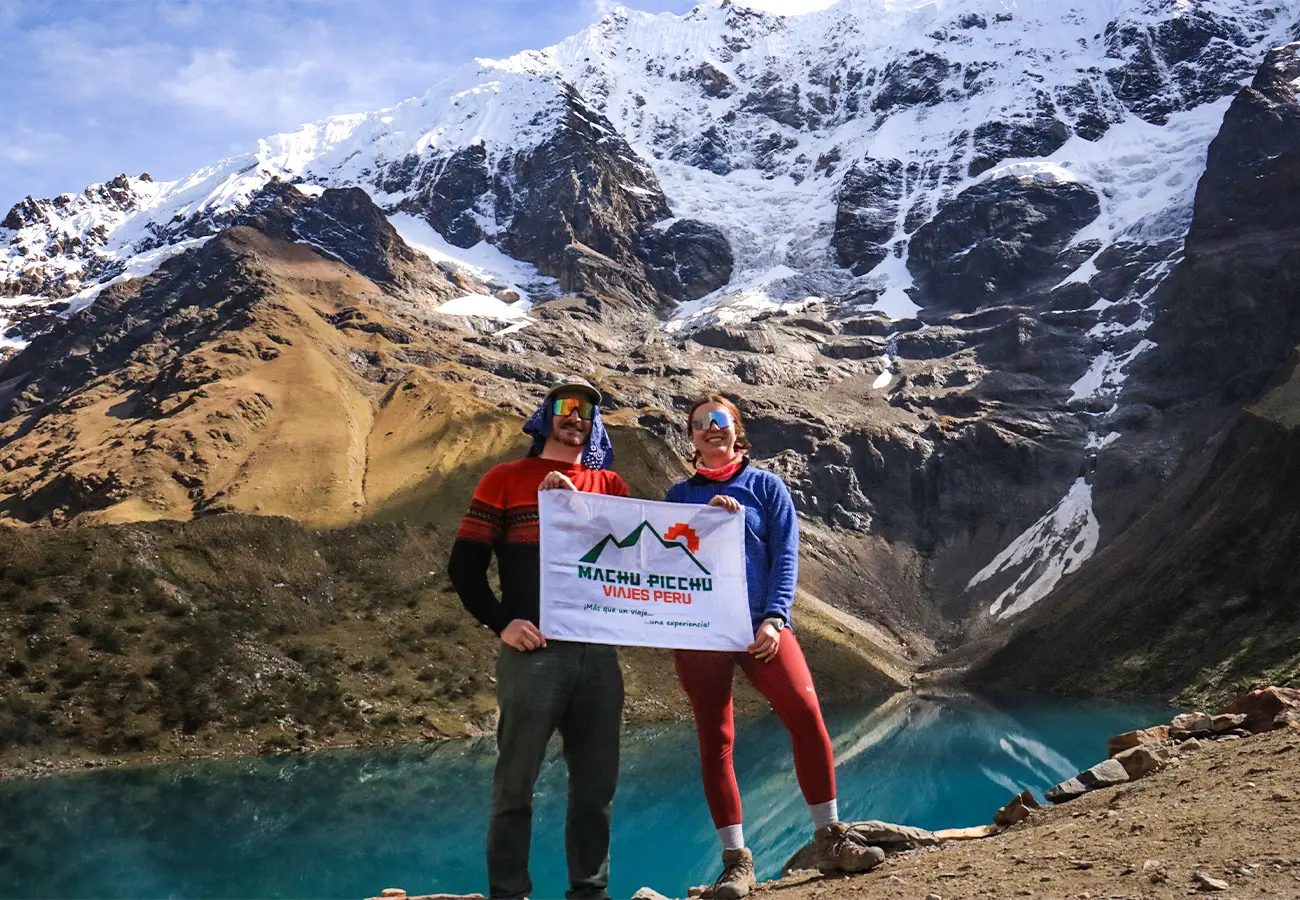
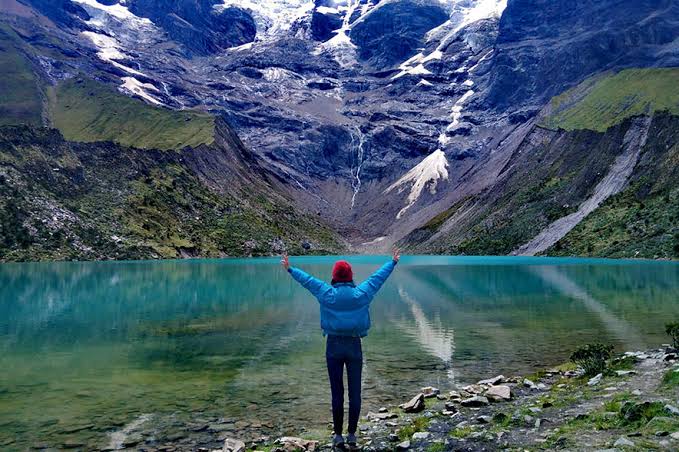
Laguna Humantay is one of the most photogenic glacial lakes in the Peruvian Andes. Its vivid turquoise water, the reflection of Humantay peak, and the surrounding high-mountain scenery make it an excellent alternative or complement to Rainbow Mountain with a shorter hike that many travelers find more enjoyable.
The lake sits at approximately 4,200 meters (13,780 ft) in the Vilcabamba mountain range, about 3 to 3.5 hours by road from Cusco. The hike starts at Soraypampa, around 3,900 meters.
How to Get to Laguna Humantay from Cusco
Most travelers visit on a full-day tour from Cusco. Departures are usually very early (between 4:30 and 5:30 am). The drive goes through Mollepata and ends at Soraypampa, where the trail begins.
It is possible to reach the area by public transport plus a local taxi, but an organized tour is more comfortable and reliable, especially because of the early start and the return logistics.
The Hike: Distance, Time, and Difficulty
- Distance: Approximately 2 km (1.25 miles) one way (around 4 km round trip).
- Elevation gain: About 300 meters (985 ft).
- Time to ascend: 1 to 1 hour 45 minutes, depending on pace and acclimatization.
- Total time on the mountain: 2.5 to 3.5 hours, including time at the lake.
- Difficulty: Moderate. The trail is not technical, but the altitude makes it feel more demanding than the distance suggests.
Horses are available for rent in Soraypampa for part of the ascent. They usually leave riders about 15–20 minutes’ walk from the lake, as the final section is too steep for them.
Altitude and Acclimatization
This is the most important factor. The lake is at 4,200 m and the trail already starts near 3,900 m. It is strongly recommended to spend at least two full days in Cusco (or the Sacred Valley) before attempting this hike.
If you are still adjusting to the altitude, read our guide on altitude sickness in Cusco and how to prepare before booking.
Best Time to Visit Laguna Humantay
The best time is during the dry season, from May to October. Clearer skies are more likely, and the turquoise color of the lake is more vivid.
- May and September: Good balance between weather and fewer crowds.
- June, July, and August: Best conditions, but also the busiest months.
- Rainy season (November to March): The trail can be slippery and clouds often cover the peaks. It is still possible to go, but the experience is less predictable.
For more details on the climate in the region, check our month-by-month guide to the best time to visit Peru.
What to Bring
- Hiking shoes with good grip
- Layers of clothing (weather changes quickly)
- Sunscreen, sunglasses, and a hat
- Enough water (at least 1.5–2 liters)
- Energy snacks
- Cash (community entrance fee + possible horse rental)
- Light rain jacket (just in case)
Practical Tips
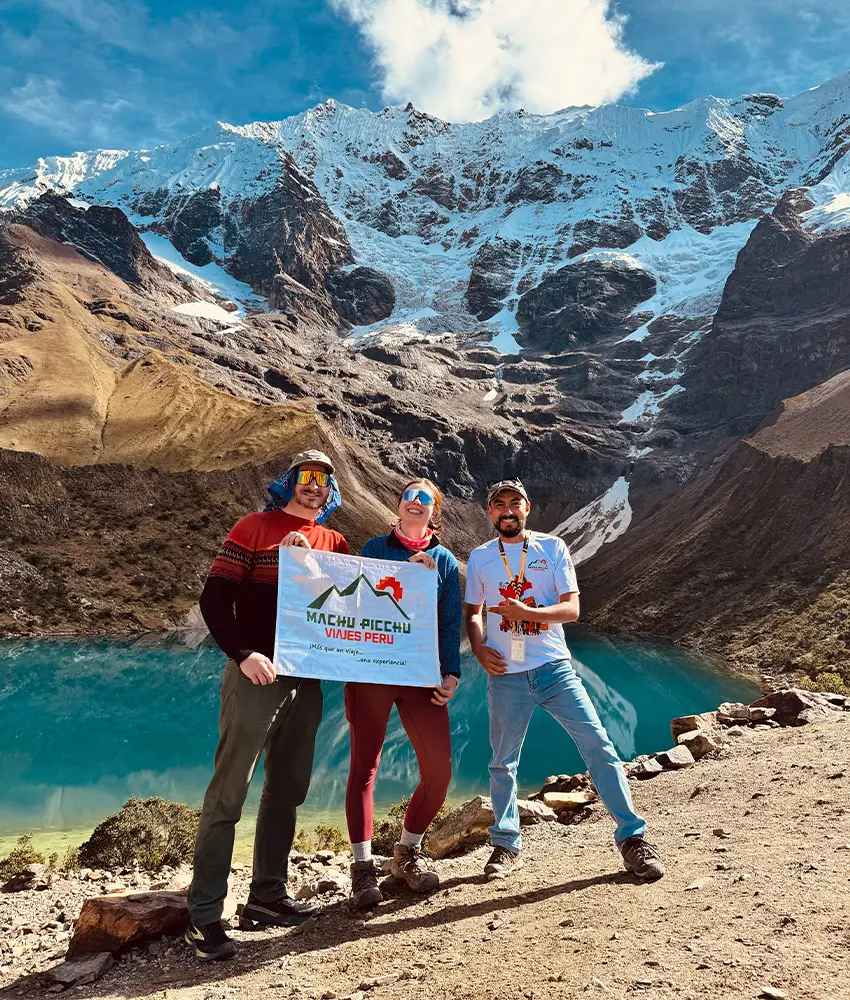
- Start early. Arriving at the lake before 9:30–10:00 am allows you to enjoy it with fewer people.
- Walk slowly and breathe steadily. This is not a race.
- If you feel strong symptoms of altitude sickness, do not push yourself. It is better to turn back and try another day.
- Combine this hike with lighter days in Cusco or the Sacred Valley so you do not overload your body.
Laguna Humantay vs Rainbow Mountain
Many travelers wonder which one to choose. Both are spectacular, but they differ:
- Laguna Humantay is lower (4,200 m vs 5,200 m), the hike is shorter, and it is usually less crowded.
- Rainbow Mountain offers the famous multicolored mineral landscape and is significantly higher.
If you can only do one, Humantay is often more pleasant for most travelers. If you have time and good acclimatization, both are worth it. You can read our complete Rainbow Mountain hiking guide to compare.
How to Include It in Your Cusco Itinerary
Laguna Humantay fits very well after visiting the Sacred Valley and Machu Picchu, or as a full-day activity from Cusco once you are properly acclimatized. If you are still deciding how many days you need in the area, see our guide on how many days you really need in Peru.
At MVP Experiences, we can include Laguna Humantay as an optional activity in customized Cusco and Sacred Valley itineraries, adjusting the pace according to your acclimatization and preferences.