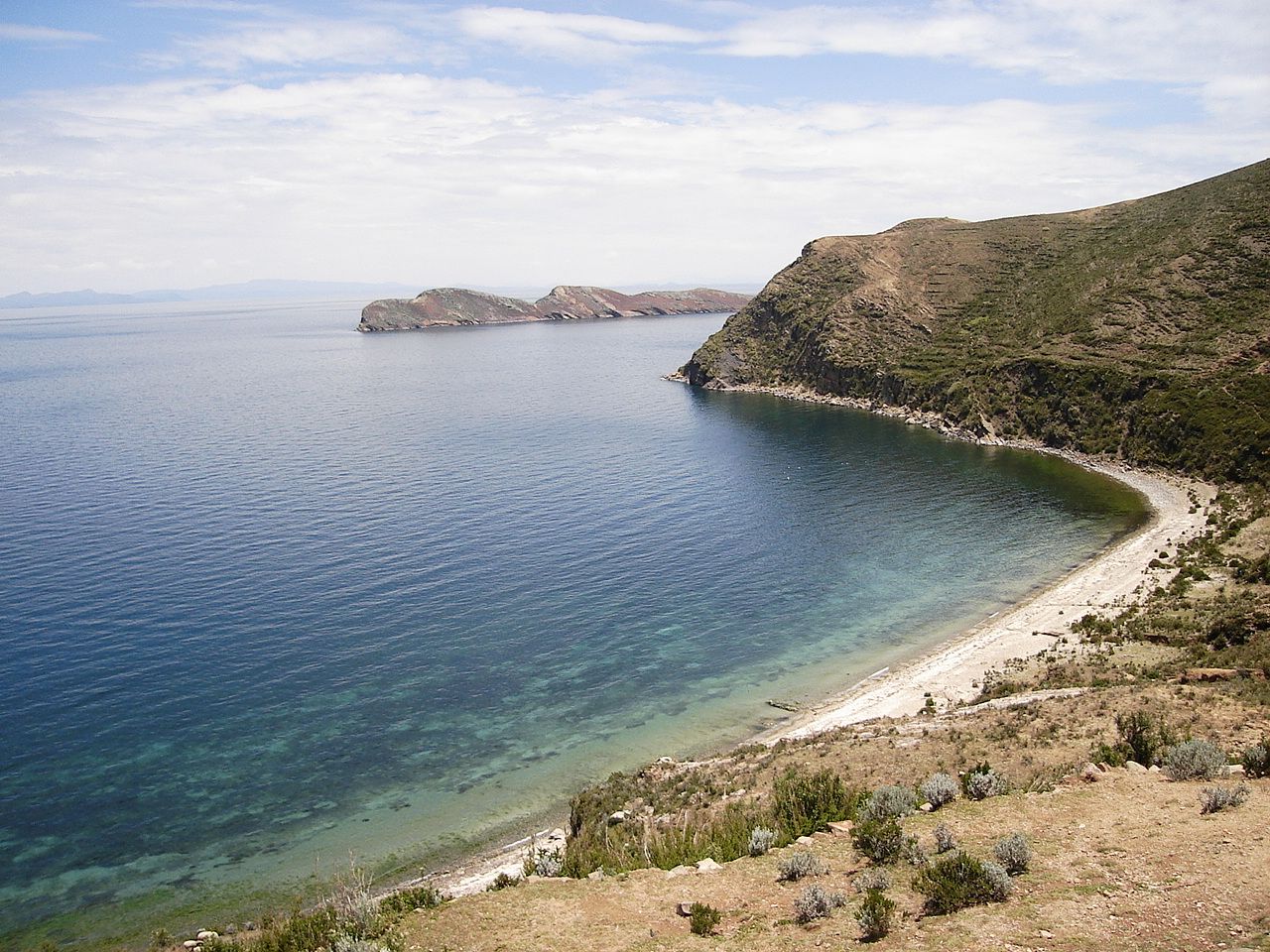
Isla del Sol is the most important island on the Bolivian side of Lake Titicaca. According to local tradition, it is the place where the sun was born and where the first Inca couple emerged. Today it remains one of the most atmospheric places to visit on the lake, with stone trails, terraced hillsides, and quiet villages.
The island is reached by boat from Copacabana, the main town on the Bolivian shore of the lake.
How to Get to Isla del Sol
Most travelers arrive in Copacabana either by bus from La Paz (approximately 3-3.5 hours) or by crossing from Puno on the Peruvian side. From Copacabana, regular boats leave for the island, usually in the morning.
There are two main arrival points:
- Yumani (south) – the most common arrival for day visitors and overnight stays.
- Challapampa (north) – better if you plan to walk the full length of the island.
Boats generally take 1 to 1.5 hours depending on the landing point and the weather.
What to See on the Island
The island is best explored on foot. The main north-south trail connects the two ends and passes through several small communities.
Key points of interest include:
- Yumani – the southern village, known for its long stone staircase and the Fountain of Eternal Youth.
- Pilkokaina – Inca ruins with good views over the lake.
- Challapampa – the northern village, quieter and closer to the most important archaeological sites.
- Chinkana – a labyrinth-like Inca complex near the northern tip.
- Sacred Rock – linked to local origin stories.
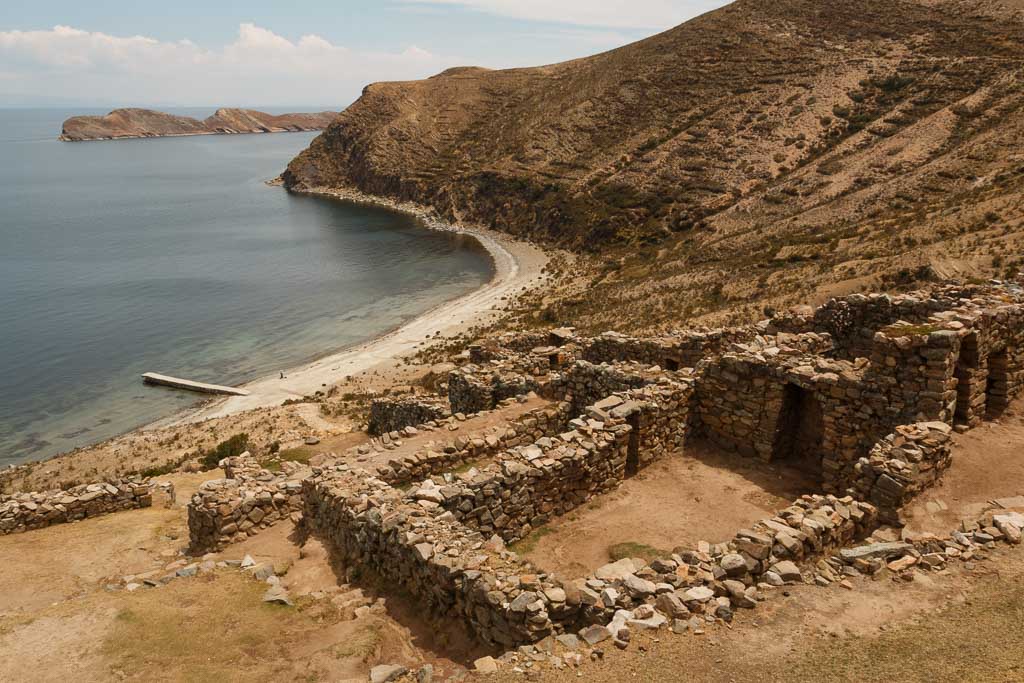
The full walk from south to north (or vice versa) takes roughly 3 to 4 hours at a relaxed pace, not counting stops.
Where to Stay
Many visitors do the island as a day trip from Copacabana. Others stay one night, which allows a more relaxed visit and the chance to see the island without the day-trip crowds.
Accommodation is simple: mostly small family-run hostels and guesthouses in Yumani and Challapampa. Electricity is limited in some places, so expect basic conditions.
Practical Information
- Altitude: Around 3,800 meters. The same acclimatization advice that applies to other high places around the lake is useful here.
- Entrance fee: There is a community fee to enter the island (paid on arrival).
- Best time to visit: May to October offers clearer skies and more stable weather on the lake. The rainy season can bring rougher boat conditions.
- What to bring: Sun protection, layers, comfortable walking shoes, and cash (there are no ATMs on the island).
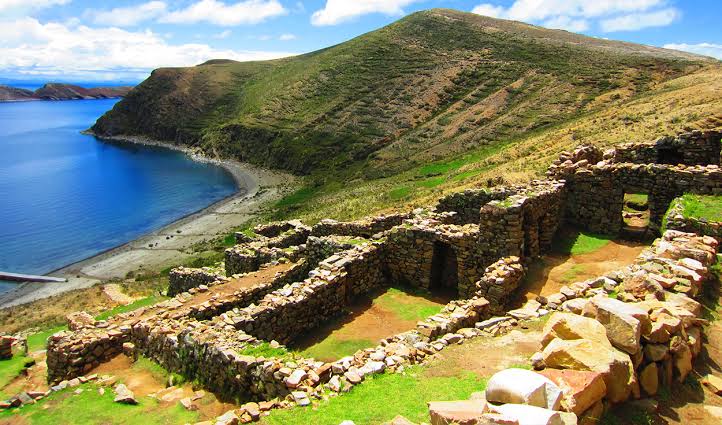
Isla del Sol vs the Peruvian Side of the Lake
The Peruvian side (Uros and Taquile) is more structured and easier to visit as a classic day tour from Puno. Isla del Sol feels quieter and more independent. Many travelers who have time for both sides of the lake prefer to spend at least one night on the island.
If you are already planning time around the lake, our Lake Titicaca guide covers the main options on both sides.
How It Fits into a Larger Trip
Isla del Sol works well as part of a route that continues from Puno into Bolivia, or as a short extension before or after visiting La Paz and the salt flats. Travelers heading toward Uyuni often pass through this area.
For those building a longer route that includes both countries, our Peru and Bolivia itinerary guide shows how the island can be included without rushing.